
Reviewed · WORKSHOPS
AZORES: Surf Lesson for Beginners
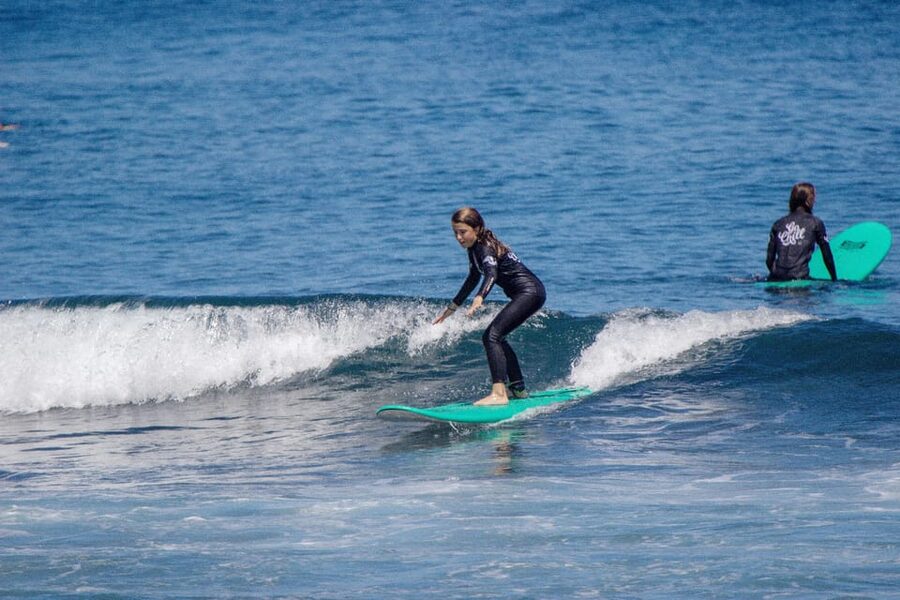
First time surfing in the Atlantic sounds wild. This beginner surf lesson in the Azores keeps it grounded: small groups, a licensed instructor, and hands-on coaching aimed at getting you safe and confident fast. I love that they build the session around what the ocean is doing that day, so you spend time where conditions are best. I also like the personalized attention in the water, including quick corrections on land when needed. One thing to consider: the exact beach and timing can shift with sea conditions and tide, so you should stay flexible.
You meet right at the shore, get kitted out with wetsuit and board, and then follow a clear rhythm: warm up, basics and safety rules, then practice with coaching. The lesson is designed for total beginners, but it still helps if you just need a confidence reset. The one practical drawback is simple: transportation to the surf spot is on you, so plan how you’ll get there ahead of time.
In This Review
- Key things to love about this Azores surf lesson
- Surfing in the middle of the Atlantic, taught like it matters
- From meeting van to first pop up: the lesson flow
- Meeting at the beach and choosing the right conditions
- Wetsuits, boards, and a warm start
- The in-water practice, with personalized feedback
- Safety and coaching: how they keep beginners in control
- What you actually get included, and why it’s good value
- Which Azores beach you might surf: Milícias, Monte Verde, Santa Barbara
- What to bring (and what to wear) so you stay comfortable
- Who this lesson is perfect for, and who should think twice
- Tips to get better fast during your 1.5 hours
- Should you book this Azores beginner surf lesson?
- FAQ
- Do I need prior surfing experience?
- How many people are in each lesson?
- What equipment is included?
- Where do we meet for the lesson?
- How long is the surf lesson?
- How do they choose where to surf?
- What should I bring, and what is not allowed?
Key things to love about this Azores surf lesson
- Max 6 students per instructor, which keeps coaching practical instead of generic
- English and Portuguese instruction, useful if your group is mixed
- You get the ocean rules and safety basics up front, not as an afterthought
- On-the-fly coaching in the water, with chances to step out and fix common mistakes
- Gear and wetsuits included, so you do not need to shop or rent
- They adapt the beach location based on conditions, often using Milícias, Monte Verde, or Santa Barbara
Surfing in the middle of the Atlantic, taught like it matters
The Azores have a way of making small adventures feel big. You are learning to surf in the middle of the Atlantic, not in a calm, pre-arranged pool. That can sound intimidating, but the smart part here is how the lesson is run: instructors focus on safety, positioning, and the small skills that let you make progress quickly.
What I find especially valuable is that the session is built around real conditions. They meet at the beach, then head to the best spot for that day. That means you spend your limited 1.5 hours where the waves are most workable, instead of just going through the motions on whatever beach is closest.
You also get the kind of coaching that helps you connect the dots. It is not only about standing up. It is about understanding what to do with your hands, where to look, how to manage paddling, and how to act safely around the water and other surfers. For a beginner, that is the difference between a fun swim and an actual skill-building session.
More Ponta Delgada Sao Miguel afternoons making something:
- Ponta Delgada: Group & Private Yoga Classes
★ 4.6 · 3 reviews - Azores: Surfing Lessons for All Levels
★ 5.0 · 2 reviews - Ribeira Grande, Azores: Group Surf Lessons
★ 4.9 · 198 reviews - Exclusive Surf Lessons in S Miguel Azores
★ 5.0 · 21 reviews
From meeting van to first pop up: the lesson flow
Here is what the timeline usually feels like, and why it works for beginners.
Meeting at the beach and choosing the right conditions
You meet directly at the beach. The meeting spot is sent to you one day prior, and on arrival you look for a white van with Black Sand Box on the back. From there, the team chooses where to go based on what the ocean is doing.
The most common beaches used include Milícias Beach on the south coast, plus Monte Verde Beach and Santa Barbara Beach on the north coast. You do not need to decide in advance, but you should expect that you might not surf the exact beach you pictured when you booked.
Practical tip: since they may change location, arrive ready to move. If you are late, you can lose time before the wetsuit even goes on.
Wetsuits, boards, and a warm start
Once you have the wetsuits and surfboards, you head to the sand. The warm up matters more than people think. In cold Atlantic water, being stiff makes everything harder, from paddling to getting your feet under you. A quick warm up helps you actually stay engaged in the lesson rather than spending the session fighting the chill.
Then the instructor explains the basics of surfing, including equipment and safety rules. This is where beginners often benefit most from a coach who keeps things simple and focused on the core tasks.
The in-water practice, with personalized feedback
This is the heart of the lesson: you go into the water, and each student gets personal attention. That small-group setup (max 6 students per instructor) is what makes this possible. You are not stuck waiting your turn while someone else gets coached.
You will practice skills that support progress fast, including:
- paddling fundamentals
- pop up mechanics (the move from prone to standing)
- getting comfortable with board control and wave timing
- staying safe and aware while learning in real surf
One detail that beginners love: instructors may pull you out at times to correct mistakes. They will also use breaks to practice specific motions. That feedback loop is why you usually improve faster than you would trying to brute-force it on your own.
Based on past beginner experiences, many people leave feeling that the session was real progress, not just a “look, I tried surfing” moment.
More on São Miguel:



Safety and coaching: how they keep beginners in control
If you are worried about safety, this is the right kind of lesson. The structure is built around safety rules before you get into the water, then coaching that continues while you are surfing.
In a beginner surf lesson, the biggest risks tend to come from two things: poor spacing and confusion about how to handle waves and your board in the water. By starting with clear rules and then giving you personalized guidance, instructors reduce the chaos factor.
Also, the lesson includes insurance. That is not what you go surfing for, but it is the kind of practical detail that makes the experience feel more comfortable.
Another reassuring element: the group stays small. With a maximum of 6 students per instructor, it is easier for the coach to notice when you are struggling and adjust your practice. That matters because beginners often need a different cue than the one that worked for the person beside them.
What you actually get included, and why it’s good value
At $53 per person for 1.5 hours, the pricing makes sense if you look at what is included. You are not just paying for a board and a wetsuit. You are paying for coaching, equipment, and the time of a licensed instructor, plus insurance.
Included:
- Small group surf lesson (max 6 students per instructor)
- Licensed surf instructor
- Surfboard, leash, and surf wetsuit
- Insurance
Not included:
- Transportation to the surf lesson location
For many first-time travelers, the biggest hidden cost of surfing is logistics. You would otherwise have to find equipment, rent a wetsuit, figure out local conditions, and hope you are at the right spot. Here, most of those friction points are removed. That is why this can feel like a smart, affordable way to try the sport without turning it into a half-day project.
Which Azores beach you might surf: Milícias, Monte Verde, Santa Barbara
The lesson is flexible because the ocean is flexible. You can often expect the surf spots to include Milícias Beach in the south and Monte Verde or Santa Barbara in the north, depending on the day.
Why this matters: wave quality changes fast in open-water Atlantic conditions. If the lesson team is choosing the best site for the day, your odds of catching manageable waves go up. That is especially important for beginners who want success early.
Potential drawback: you might not be able to plan the exact view, coastline, or parking spot in advance. But in exchange, you get adaptation based on tide and sea conditions.
If you want a smoother day, keep your other plans light around your lesson time. Changing beach locations is part of how they keep learning safe and effective.
What to bring (and what to wear) so you stay comfortable
This kind of lesson is all about being comfortable enough to practice. The colder Atlantic water can make people forget basics, so pack smart.
Bring:
- swimwear
- a towel
- sunscreen
- water
Also, be ready for the wetsuit process. Even if you have worn one before, it can feel awkward if you are rushed. Having a towel on hand makes a big difference after you get out.
Not allowed:
- smoking
- alcohol and drugs
Simple rule of thumb: dress for wetsuit time, not for a beach lounge. Your goal is to get in, practice, and then warm up before you start cooling down too fast.
Who this lesson is perfect for, and who should think twice
This is a true beginner lesson. You do not need prior surfing experience. It is also suitable for beginners of all ages.
You will likely love it if you:
- want instruction that keeps you safe in real ocean water
- prefer a small group and hands-on coaching
- want to learn fundamentals like paddling, pop up, and basic surf safety
- would rather be guided than figure it out alone
You might think twice if:
- you hate the idea that sea conditions and tide can change where and when you surf
- you do not have an easy way to get to the beach meeting point (since transport is not included)
- you want a long session, this is only 1.5 hours, so it is focused, not drawn out
That short duration is not a negative if your goal is a first taste. It is a feature. You get the essentials quickly, then you can decide whether you want to come back for more.
Tips to get better fast during your 1.5 hours
You only have so much time on the board. Here is how to use it well.
First, listen for the one cue the instructor repeats. Beginners often hear a bunch of advice at once. The coach will usually have a key fix that makes the biggest difference for your body position. If they emphasize one thing, make it your focus for the next attempt.
Second, embrace the practice resets. When instructors step you out to correct mistakes and practice paddling or pop up, it can feel like a pause. It is actually where progress happens, because you correct the main problem before it turns into bad habit.
Third, keep your energy steady. In cold water, fatigue makes your movement sloppy. Try to avoid going too hard too early. The warm up helps, but pacing helps more.
Finally, bring sunscreen and water seriously. Even if you are under a wetsuit, you still get exposed to sun while warming up, walking, and recovering between sets.
Should you book this Azores beginner surf lesson?
If you want an easy, structured way to learn surfing in the Azores, I would book it. The biggest reasons are the small group size, the licensed instructor, and the practical inclusion of equipment and wetsuits. For the price, you are buying time with a coach, not just renting gear.
Book it especially if you have never surfed, or if you tried before and want a reset on basics like paddling, pop up, and safety. The session is short, but the coaching style is designed to help you leave with real improvement, not just stories.
If your schedule is rigid, or you need guaranteed beach plans down to the parking spot, then plan for flexibility. The ocean calls the shots here, and the team adjusts so you can focus on learning safely and having fun.
FAQ
Do I need prior surfing experience?
No. The lesson is designed for beginners and includes basics plus safety rules before you go out.
How many people are in each lesson?
It is a small group, limited to 6 participants per instructor.
What equipment is included?
You get the necessary gear: surfboard, leash, and a surf wetsuit.
Where do we meet for the lesson?
You meet directly at the beach. The meeting spot is sent to guests one day prior, and when you arrive you look for a white van with Black Sand Box on the back.
How long is the surf lesson?
The duration is 1.5 hours.
How do they choose where to surf?
The instructor team goes to a place where conditions are best on that day. Lesson time and location may vary based on sea conditions and tide.
What should I bring, and what is not allowed?
Bring swimwear, a towel, sunscreen, and water. Smoking and alcohol or drugs are not allowed.
Just in from around Ponta Delgada Sao Miguel
- São Miguel Azores: Kayak Rental with Electric Pump & Paddles★ 5.0 · 1 review
- Half Day Sete Cidades – Perfect Tour for Cruise Passengers★ 5.0 · 1 review
- Wine Tasting & Guided City Tour in Ponta Delgada (DE/EN/PT)★ 5.0 · 1 review
- Lagoa do Fogo: Whales & Volcano Geo Tour w/ Biologist +lunch★ 5.0 · 1 review
- Traditions & Flavors of São Miguel★ 5.0 · 1 review
- Azores: Surfing Lessons for All Levels★ 5.0 · 2 reviews
Workshops, compared.


Terceira Island: Azores Cooking Class Experience
Read our review →

Azores Market Tour & Cooking Class in Ponta Delgada with Maria
Read our review →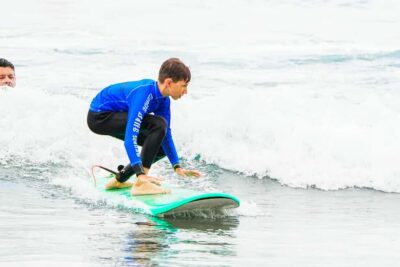
Nordeste Full Day Tour with Cooking Lesson – PRIVATE
Read our review →Browse the lists this tour appears in