
Reviewed · WINE TOURS
Pico Wine Tour: Get to know Pico’s wines
Volcanic rows lead to serious wine. This small-group Pico tour pairs the UNESCO vineyard story with tastings and village visits.
I especially like how the day connects wine to place, with the volcanic-stone vineyard walls called currais de vinha and the older wine-making sites you can still picture. One consideration: it includes walking time, so it is not a fit for wheelchair users or anyone who struggles with mobility.
In This Review
- Key moments to look for
- Pico wine, from volcanic rows to your glass
- Why UNESCO vineyards and currais de vinha are the real story
- Meeting point, small-group pace, and what the day is actually like
- Lajido stop: village views, a bit of walking, and an easy first taste of Pico
- Visitor center time: guided history, plus a little breathing room
- Lunch in a local restaurant: fuel for tastings without killing the vibe
- Winery tasting #1: Pico wines plus pairing with local cheese
- Criação Velha: walking the currais de vinha up close
- Winery tasting #2: more time, more context, and cooperative perspective
- Price and value check for a $235, all-day wine culture experience
- Who should book this Pico Wine Tour, and who should skip it
- Should you book it?
- FAQ
- How long is the Pico Wine Tour?
- Where does the tour meet?
- What is the price per person?
- How many people are in the group?
- What languages is the live guide available in?
- What tastings are included?
- Is lunch included?
- Is transport included?
- Are pick up and drop off included?
- Is the tour suitable for children or people with mobility limitations?
Key moments to look for
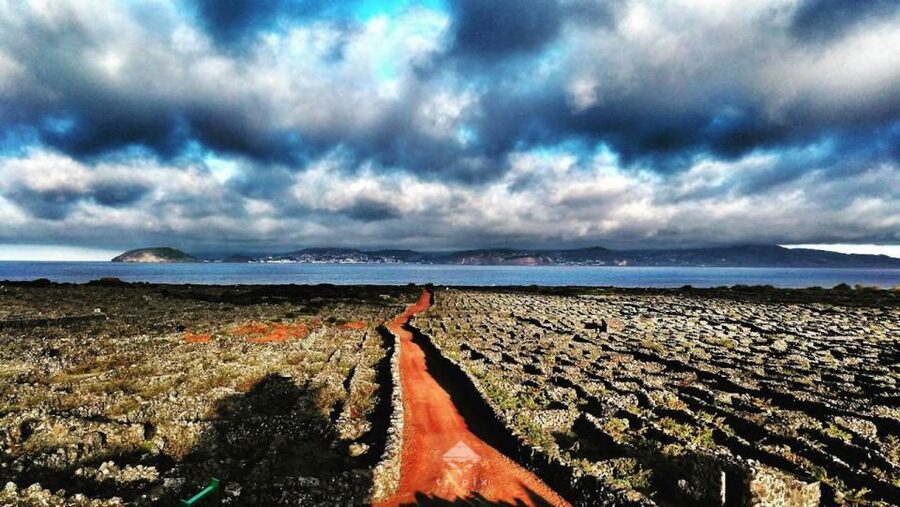
- UNESCO-protected vineyards (987 acres) you can actually see and walk around
- Certified Azores Natural Parks Guide leading the day with context, not just facts
- Full tastings of Pico wines plus liquors, brandies, and moonshine
- Local lunch made with local products, so you eat like the island does
- Small group size (max 5) keeps the pace calm and questions easy
- A guided stop at Criação Velha’s currais de vinha for a closer look at the vineyard walls
Pico wine, from volcanic rows to your glass
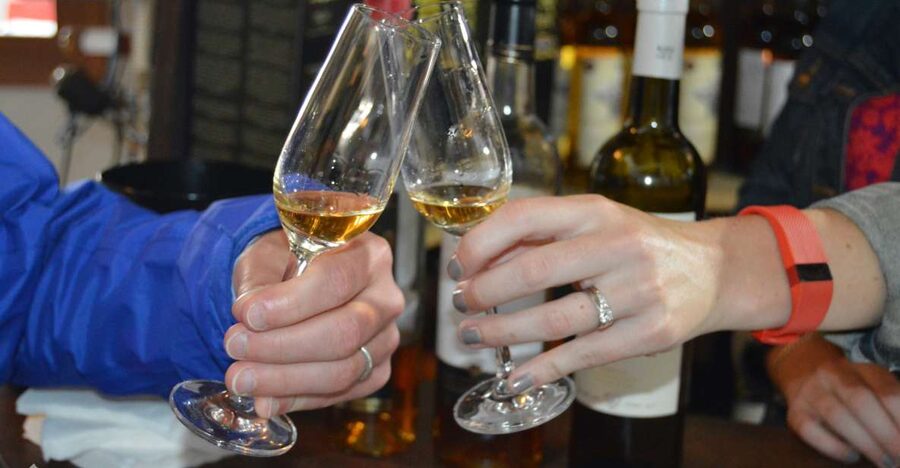
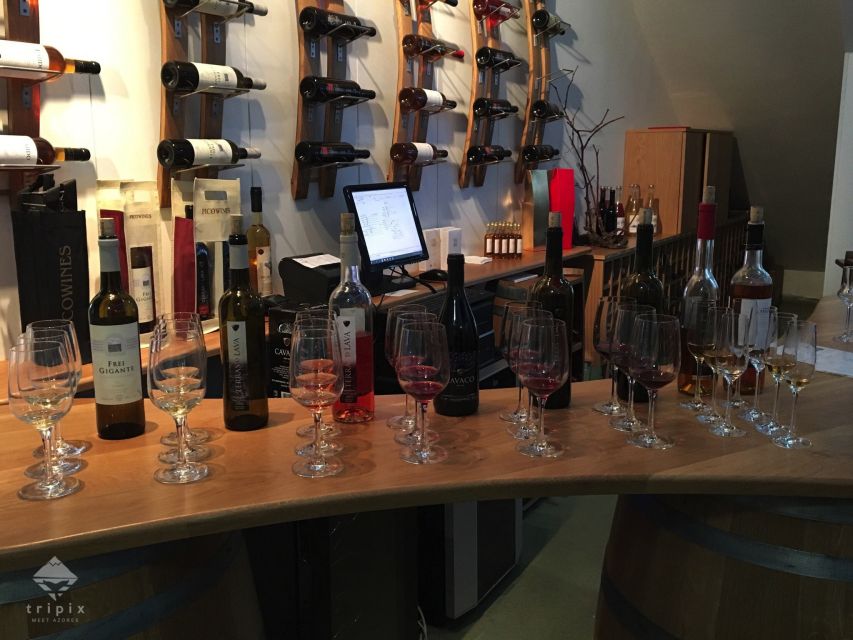
Pico is not trying to be like the mainland. The wine style comes from how the island grows grapes, the dramatic volcanic ground, and a culture where winemaking has long been a community project. On this 8-hour Pico wine tour, you do not just “taste and leave.” You learn why the flavors taste the way they do, then you test that idea in your own glass.
I like that the tour is built around multiple stops, so the story sticks. You see traditional villages, then you move into wineries and cooperatives where the island’s methods and traditions show up fast. And because this is a small group, the guide can answer practical questions without the classic bus-tour rush.
More Wine Tours in Pico
- Wine Tour
★ 5.0 · 52 reviews - Wine & Food Tour
★ 5.0 · 28 reviews - Award-Winning Curated Pico Wine Tasting, Food & Cultural Tour
★ 5.0 · 22 reviews - Pico Island: Wine Tasting, Independent Producers & Culture
★ 5.0 · 20 reviews
Why UNESCO vineyards and currais de vinha are the real story
The tour focuses on one special thing: Pico vineyards protected under UNESCO. You are looking at 987 acres of vineyard terrain shaped over generations. The key detail is the currais de vinha, vineyard enclosures formed with volcanic stone.
Why should you care? Because those stone walls help create micro-conditions in a place shaped by wind and weather. They also reflect a way of working that is part farming, part engineering, part daily life. Once you understand that, tasting becomes more than a product comparison. You start noticing how the wine fits its environment.
The day also points you toward older infrastructure. You will hear about traditional spaces like old wineries (adegas) and distilleries (alambiques). Even without a chemistry lesson, it gives the right context for why Pico wine culture feels distinct.
Meeting point, small-group pace, and what the day is actually like
You meet in front of the Madalena Ferry Station. From there, you travel with the group by transport provided as part of the tour, and the pace stays manageable thanks to the small group (limited to 5 participants).
This matters. Pico can feel spread out, and the terrain is not built for quick “photo only” stops. A group that stays small means more time to walk, more time to ask questions, and more time to enjoy the views without everyone sprinting.
The tour runs for about 8 hours, so it is long enough to feel like a real outing. It is also short enough that you can still enjoy the rest of your day on Pico. Just plan your expectations around a full afternoon of driving, walking, museum time, and tastings.
Lajido stop: village views, a bit of walking, and an easy first taste of Pico
Your first major stop after setting out is Lajido. Expect a mix of photo stops, sightseeing, and scenic driving, plus a walk and some time to take in the views.
This is a smart early move. Lajido helps you “get your bearings” before the day turns more technical in the visitor center and winery settings. You start seeing how the island’s slopes, volcanic stone, and village layout connect to where vineyards and production would naturally happen.
One consideration is simple: there is walking time here. The tour is described as involving walking in more than one place, and the overall physical demands are one reason the experience is marked not suitable for people with mobility impairments and wheelchair users. If you can comfortably walk for short stretches, you will likely be fine.
Visitor center time: guided history, plus a little breathing room
Next up is the visitor center. You get a guided tour plus self-guided time for about 30 minutes.
This format is practical. A guide can point out the big themes, like how wine culture formed and how the island’s production system works. Then your own time lets you slow down, re-read labels, and focus on what you care about most, whether that is grape growing, local distillation traditions, or how cooperatives fit in.
If you like museums that feel like they are teaching you something you can use while tasting later, this part is a win. It sets you up to notice differences rather than just collecting sips.
More wine tours in Pico Island:
Lunch in a local restaurant: fuel for tastings without killing the vibe
Lunch is built in after the earlier sightseeing. You get 1.5 hours at a local restaurant with local products.
This matters more than it sounds. Pico wine tours can stack several tastings into one day, and you want a meal that keeps things comfortable. The longer lunch window also helps if you tend to take your time with conversation, or if you want to pace yourself before the second winery visit.
I like that lunch is not framed as a rushed stop. It gives you a chance to reset your body, hydrate, and let your palate recover a little before more tasting.
Winery tasting #1: Pico wines plus pairing with local cheese
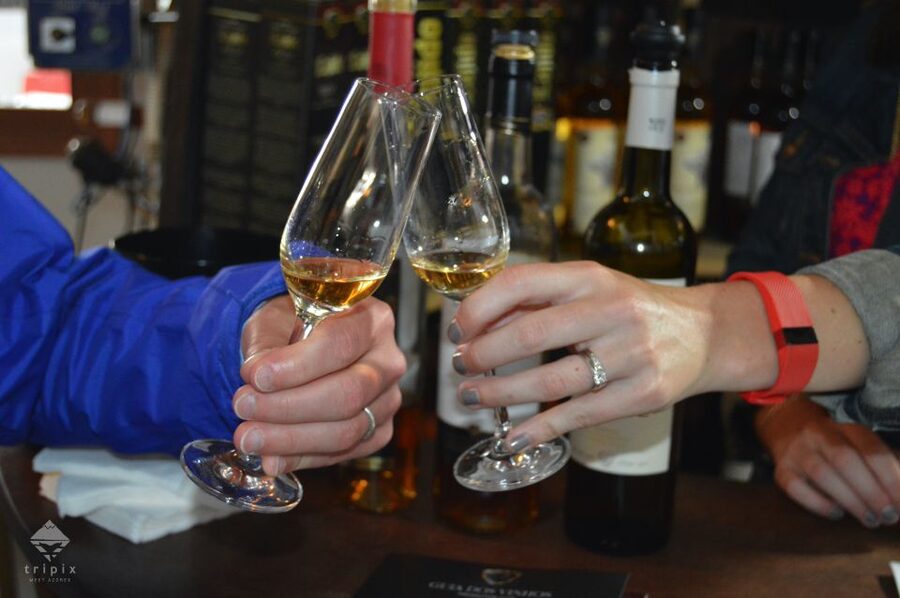
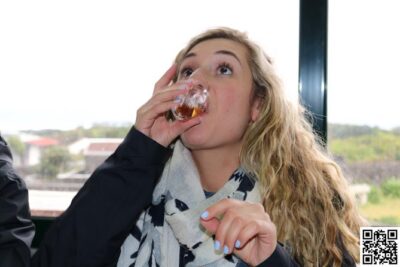
At the first winery stop, you get about 40 minutes of wine tasting. The tour includes tastings of different Pico wines and you will also experience liquors, brandies, and moonshine during the day.
The highlights specifically call out tasting Pico wines with local cheese, which is a great way to learn faster. Cheese can make acidity and texture easier to detect. It also helps you notice how each wine style behaves when paired, not just when served alone.
A practical tip for tastings like this: take notes, even if it is just a few words per pour. On Pico, it is easy to forget which glass you liked best if you do not mark it. Full glasses are part of the experience, and one past participant noted they received full glasses of wine, so you will taste enough that it is worth tracking.
Criação Velha: walking the currais de vinha up close
Then you head to Criação Velha, where you get a stop for visit, sightseeing, and a short walk (about 20 minutes). This is where the tour gets especially visual.
The focus is the incredible currais de vinha of Criação Velha. Standing close to these stone vineyard enclosures helps the UNESCO story stop feeling abstract. You can literally see the shape of the vineyard system, and you start to understand how people maintained these walls and used them to farm in a volcanic environment.
It is a compact stop, so you get the “wow” without turning the day into an all-day trek. Still, expect walking. The tour is not positioned as accessible-friendly, so if you have mobility concerns, you should think carefully before booking.
Winery tasting #2: more time, more context, and cooperative perspective
The final tasting block is another winery visit with about 1 hour for tasting. This is the deeper end of the day, after you have already learned the background and seen vineyard structure and village life.
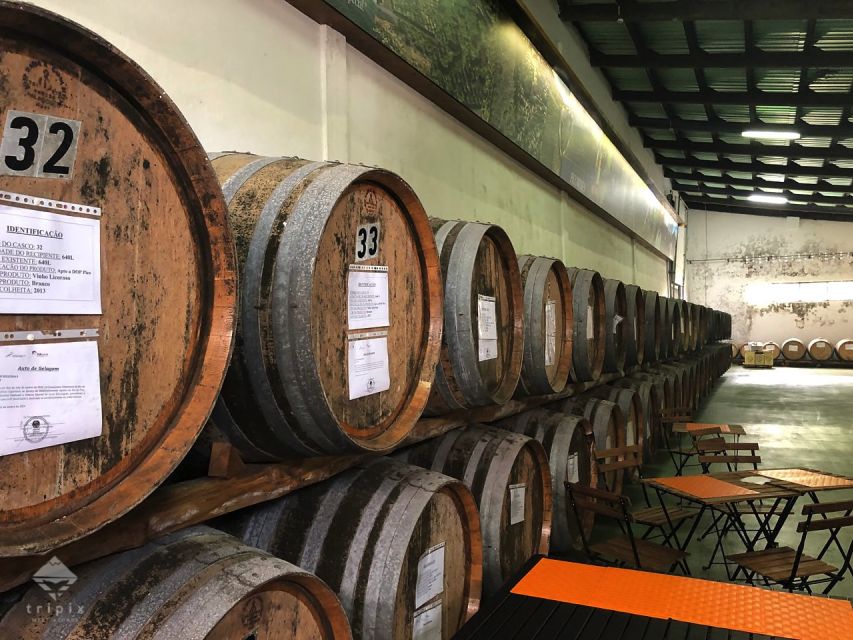
Because the tour also includes entry and guided visits to wineries and cooperatives, this second winery moment often feels more grounded. Instead of only tasting from a single producer perspective, you get a sense of how Pico production is organized. Small producers and cooperative efforts can mean different styles, different priorities, and sometimes different ways of approaching aging and distillation.
You end with tastings that can include wine plus local spirits, so you are not just leaving with a single souvenir bottle. You leave with a mental map of the island’s flavor range, which is the whole point of a wine-focused day here.
Price and value check for a $235, all-day wine culture experience
At $235 per person for an 8-hour tour, you are paying for two things: time and guided access. The tour includes transport, lunch, and multiple tasting sessions, plus museum and interpretive center entry with guided components, not just a single stop and a quick pour.
It also includes tastings beyond wine, with liquors, brandies, and moonshine. That increases value because you are not paying extra for each item as you go. And the tour is guided by a certified Azores Natural Parks Guide, which is often the difference between “tourist tasting” and a day that actually teaches you how the system works.
Last, the group is small, limited to 5 participants. That keeps the experience from turning into a production line, and it is easier to learn if you are not constantly waiting your turn.
If you want a simple, quick “taste two wines and leave,” this may feel like overkill. But if you want a real Pico wine culture day with context and multiple tastings, it is priced like a serious guided outing.
Who should book this Pico Wine Tour, and who should skip it
This tour is a strong match if you:
- want UNESCO vineyard culture explained in practical terms
- like a schedule with several stops, not one long drive and two quick sips
- enjoy tastings that go beyond wine into spirits and island-style products
- prefer a small group where you can ask questions and take your time
It is not a match if you:
- are pregnant (listed as not suitable)
- use a wheelchair or have mobility impairments (listed as not suitable)
- need an all-ride, no-walk format (there are walking components at multiple stops)
- are under 18 (not available)
Should you book it?
Book it if you want a guided day that connects what you drink to what you see on Pico, including the UNESCO vineyard system and the currais de vinha at Criação Velha. The small group size, museum and interpretive center time, and the mix of wines with cheese pairing plus spirits make this feel like a full-on island education, not a checklist tour.
Pass if you are chasing a very low-effort tour or you cannot handle walking segments. Also, if you only care about a single type of wine and nothing else, you may find the spirit tastings take up time that you would rather spend elsewhere.
If you like your wine tours with context, and you want the day to feel structured but not rushed, this one is an easy yes.
FAQ
How long is the Pico Wine Tour?
The tour duration is 8 hours.
Where does the tour meet?
The meeting point is in front of the Madalena Ferry Station.
What is the price per person?
The price is $235 per person.
How many people are in the group?
The tour is a small group limited to 5 participants.
What languages is the live guide available in?
The guide offers live interpretation in English, Portuguese, and Spanish.
What tastings are included?
You get tastings of different Pico wines and also liquors, brandies, and moonshine. The tour also includes pairing with local cheese.
Is lunch included?
Yes. Lunch is included at a local restaurant with local products.
Is transport included?
Yes. Transport is included in the tour.
Are pick up and drop off included?
No. Pick up and drop off are not included.
Is the tour suitable for children or people with mobility limitations?
It is not available for people under 18. It is also not suitable for pregnant women, people with mobility impairments, and wheelchair users.
Just in from around Pico Island
- Pico: Dune buggy adventure★ 5.0 · 1 review
- 3H Buggy tour of Pico Island vineyards★ 5.0 · 2 reviews
- Luxury Wine Tasting at the Czar Pico Winery★ 5.0 · 2 reviews
- Pico Mountain – Group> 4★ 4.5 · 3 reviews
- Pico island: highlights, wine tasting and local gastronomy★ 4.6 · 3 reviews
- Award-Winning Luxury Wine Tasting at the Czar Pico Winery★ 5.0 · 3 reviews
Wine Tours, compared.

Wine & Food Evening Walking Tour in Ponta Delgada, incl. dinner
Read our review →

Azorean volcanic wine tour from Angra do Heroísmo
Read our review →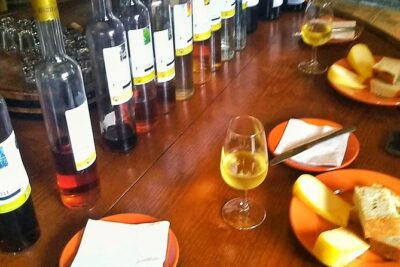
Vila Franca: Sunset Boat Cruise W/ Wine & Water Activities
Read our review →
Award-Winning Curated Pico Wine Tasting, Food & Cultural Tour
Read our review →Browse the lists this tour appears in