Reviewed · GUIDED
Azores: Marine Birdwatching & Islet Biologist Guided Tour
Seabirds get close here. This 3-hour Azores sea trip from Vila Franca do Campo pairs a Zodiac RIB ride with a professional birdwatching team, plus Opticron 8×42 binoculars so you can actually read the birds. I also love the tight group size, limited to 10, which makes it easier to ask questions and get answers fast.
The main consideration is the boat style and the conditions. The ride is on a RIB, it can feel bouncy, and wildlife tours also depend on weather and what the birds choose to do that day.
In This Review
- Key things you will remember
- Getting to Vila Franca do Campo, then straight onto the water
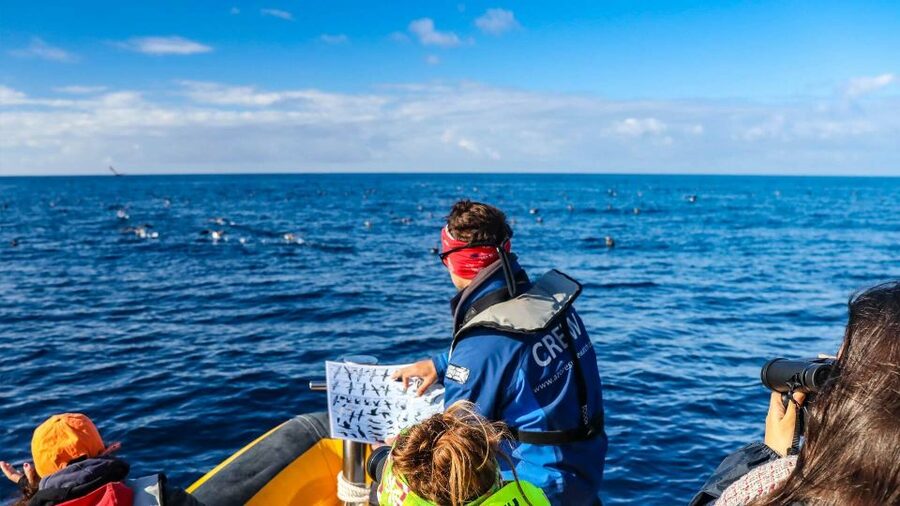
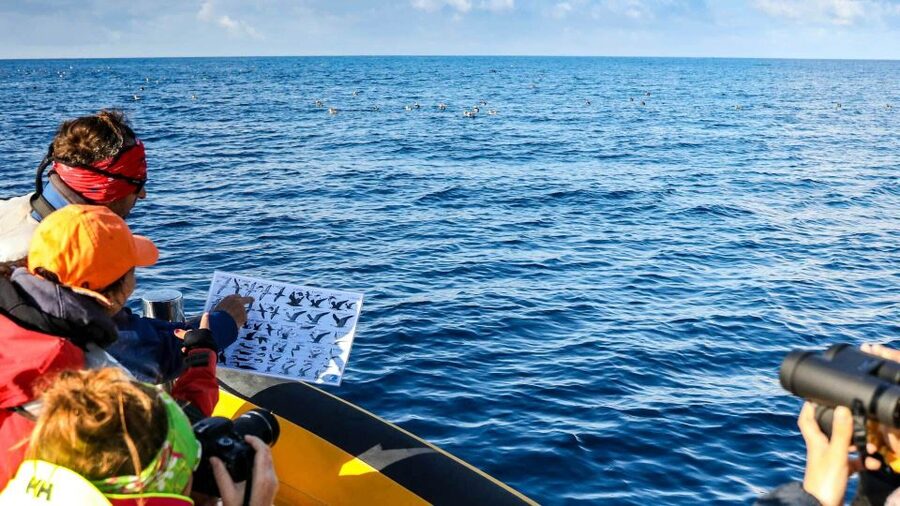
- The on-board setup: learning to spot seabirds before you chase them
- Cruising with real care: VHF-guided approach off the coastline
- The main wildlife viewing stop: Islet of Vila Franca do Campo
- What species you can realistically expect
- Likely in many conditions
- Sometimes, on lucky days
- Regular but not breeding on the islet
- Shore and coastal activity that may pop up
- Chances of dolphins and other bonuses
- The research angle: field imagery and data collection
- Gear, comfort, and what to pack for 3 hours
- Price, group size, and value at around $68
- Who this tour suits best
- Should you book this marine birdwatching tour?
- FAQ
- How long is the marine birdwatching tour?
- Where does the tour start?
- What wildlife gear is included?
- Can I guarantee I will see specific birds or marine animals?
- What boat do you use?
- What languages are offered?
- What should I bring?
Key things you will remember
- Undetected-style approach using VHF radio, so the boat can get in close without blasting past the birds
- Binoculars included (Opticron 8×42), so you do not arrive with the wrong gear
- A biologist-led intro to species behavior, migration routes, and how to read what you see
- Photo stop at the Islet of Vila Franca do Campo, with time to look and shoot in calmer moments
- Small group format (up to 10), which helps on-board Q&A and quieter wildlife watching
Getting to Vila Franca do Campo, then straight onto the water
Most people start from Ponta Delgada on São Miguel. You pass by the city and head east with a scenic drive, then continue to Vila Franca do Campo. The pace is low-stress on land, and the switch to sea is quick: you descend toward marina level, find the base, and then get geared up.
The timing is built for a focused outing. You get a guided cruise plus a separate wildlife viewing stop, so you are not spending the whole day in transit. It is a simple half-day plan that fits well when you want real nature time without a long schedule.
Once you reach the marina, you are not just thrown onto a boat. You get a safety brief for the Zodiac RIB, and that matters because this style of vessel is fast, small, and meant for close viewing. You will also be provided impermeable suit and a life vest, which is a big deal if conditions turn cool, windy, or wet.
More on São Miguel:
- From Ponta Delgada: Whale and Dolphin Watching Trip
★ 4.7 · 4,109 reviews - Azores: Whale Watching & Islet Boat Tour w/ Marine Biologist
★ 4.7 · 2,945 reviews - São Miguel West: Full-Day Van Tour with Lunch
★ 4.9 · 1,948 reviews - São Miguel East: Full-Day Van Tour with Lunch
★ 4.9 · 1,367 reviews
The on-board setup: learning to spot seabirds before you chase them
One of the best parts is that the tour does not treat birdwatching like a luck game. Before the main cruise, the guide team introduces the seabirds you might see and explains how their behavior changes by season.
You learn about:
- migration routes and why certain birds show up at certain times
- what seabirds do while feeding, resting, or shifting colonies
- how field teams collect information, including the use of field imagery
This kind of pre-game coaching turns random silhouettes into something meaningful. Instead of scanning blindly, you start looking for patterns: how birds move when a colony is settled, how they react to a boat, and how flying posture can give clues about species.
If you are the type who enjoys facts, you will likely enjoy the explanations. One highlight from the field is that the bird expert Alexandra has a strong grasp of the species and can answer questions with real specifics.
Cruising with real care: VHF-guided approach off the coastline
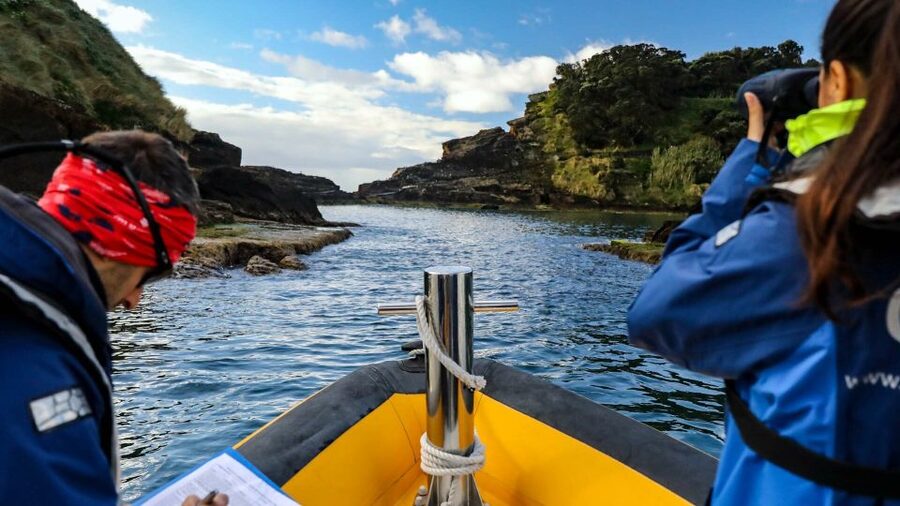
After the intro, you start the sea journey along the Azores coastline. The tour uses directions relayed inland through VHF radio so the skipper can approach carefully at a distance that helps keep the birds calm.
Why this matters for you: on wildlife trips, the difference between a good experience and a frustrating one is often how the boat is handled. Too close, too fast, too loud, and birds leave. Too far, and you only get vague flying dots. The VHF-guided approach is all about finding the middle ground, and it also helps make the viewing feel more intentional.
As you cruise, you get constant change. Birds use wind and currents, so their movements can look slow, then sudden. Even if you do not see every species, you are usually seeing action: feeding lines, group shifts, and coastal activity that looks staged but is pure wild behavior.
The main wildlife viewing stop: Islet of Vila Franca do Campo
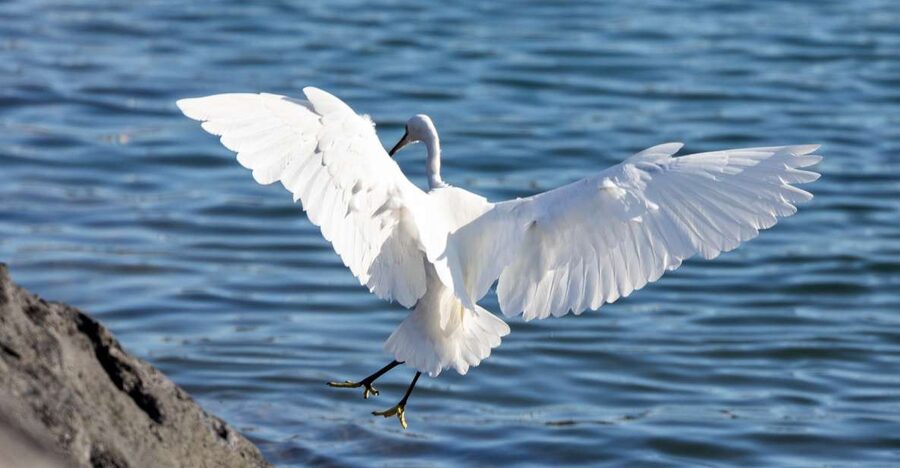
Your best close-up viewing moments come around the Islet of Vila Franca do Campo, a well-known off-coast nature reserve. You get a wildlife viewing window, plus a photo stop so you can switch from scanning to photographing.
A short stop like this can actually be more effective than a long one. When you have a limited time, the guide can point out what to look for in real-time, and you can spend your attention where it counts. You also get a chance to compare what you saw on the open cruise with what the colonies do near the islet.
Think of it as the tour’s visual “payoff.” The ocean looks dramatic in the Azores, but the point here is not scenic cruising. The goal is watching how seabirds use these islands as breeding and resting places.
What species you can realistically expect
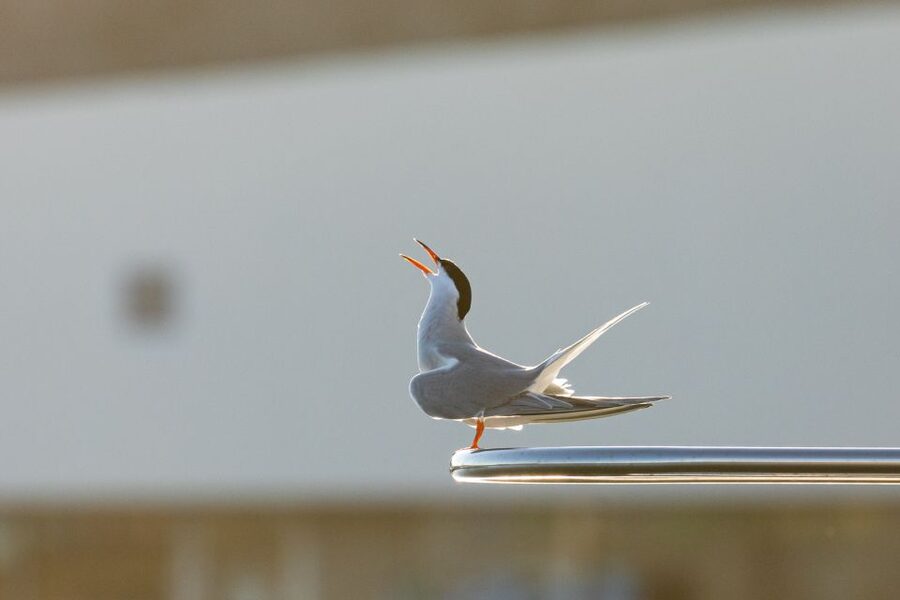
Wildlife tours are never a guarantee, but this trip gives you a solid shot at seeing a lot of seabird diversity. The tour runs year-round, and the abundance tends to peak in spring and autumn as migrants and vagrants arrive.
Here are the species groups the guide team specifically mentions as likely sightings, with a mix of common colony birds and more occasional guests:
More Sao Miguel Island days with a guide along:
Likely in many conditions
- Cory’s Shearwater
- Barolo Shearwater
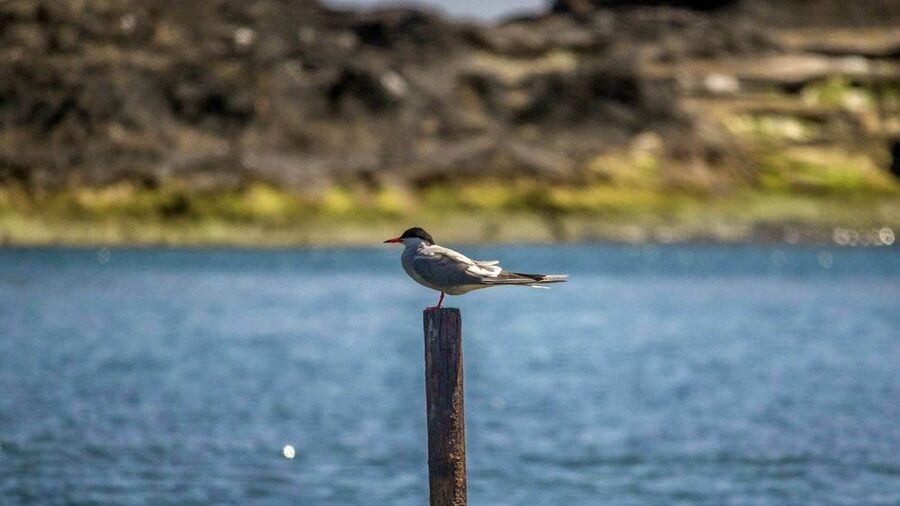
- Common and Roseate Terns
- Yellow-legged Gulls
- Bulwer’s Petrel
- Wilson’s and Madeiran Storm-petrels
Sometimes, on lucky days
- Bridled Terns or Sooty Terns
Regular but not breeding on the islet
- Great Shearwater
- Leach’s Storm-petrel
- Manx and Sooty Shearwater
- vagrant Northern Gannets
- vagrant Arctic, Pomarine, and Great Skuas
Shore and coastal activity that may pop up
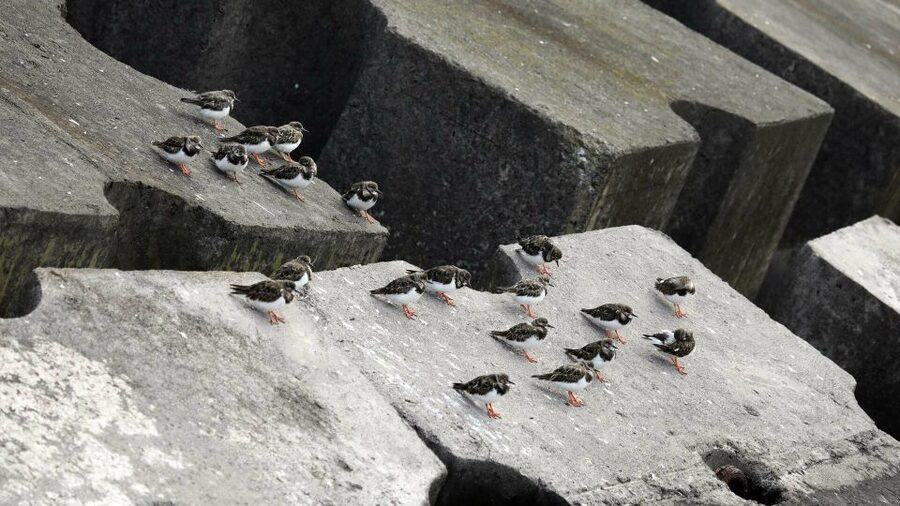
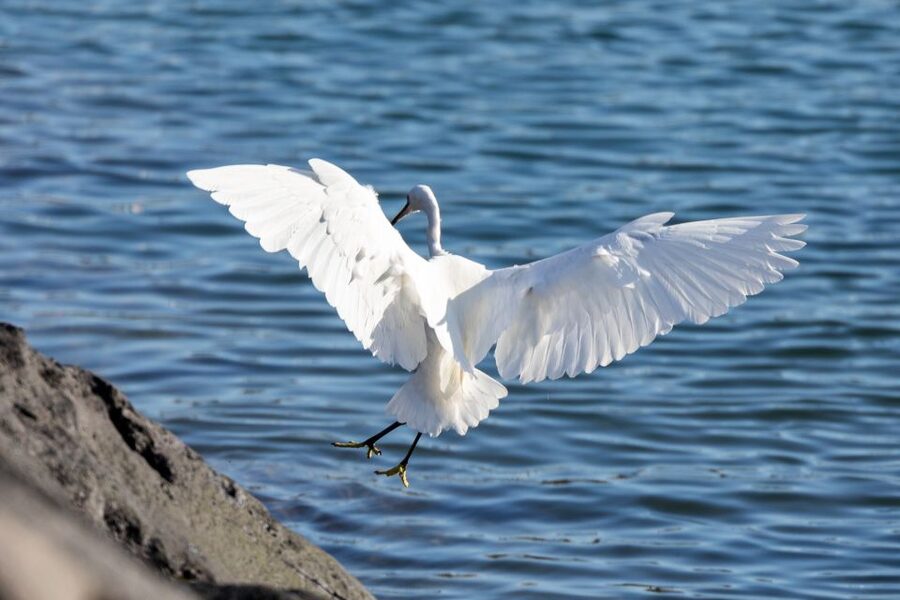
You may also spot birds that appear along the coasts during your cruising time, such as:
- Buzzards
- Turnstones
- Sanderlings
- Canaries
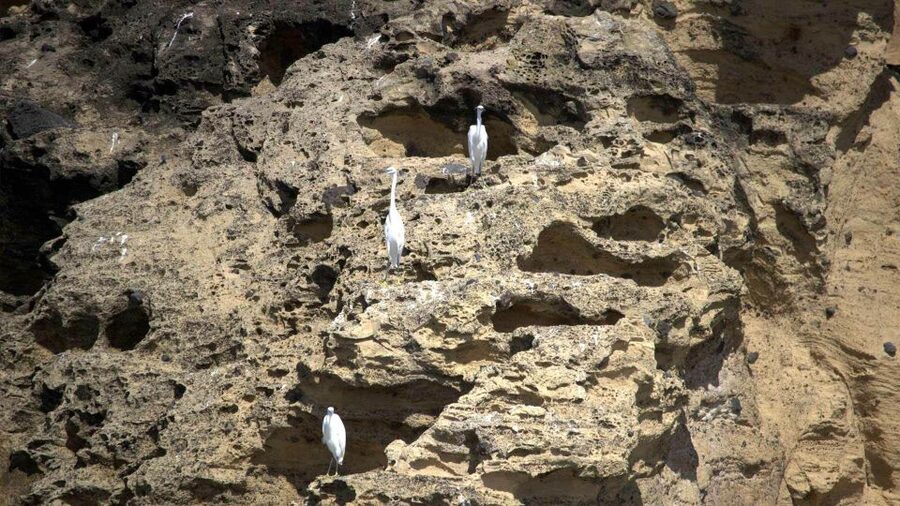
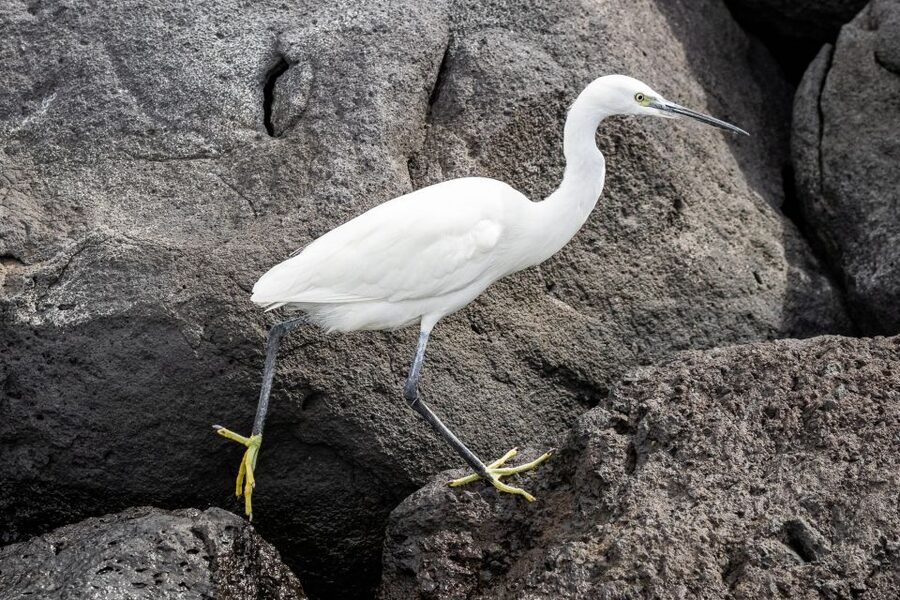
- Little Egrets
- Wagtails
- Whimbrels
The practical takeaway: if you come expecting just one type of bird, you might feel underwhelmed. If you come ready to enjoy a moving mix of species, you are set up for a richer experience.
Chances of dolphins and other bonuses
This trip is officially aimed at seabirds and marine wildlife viewing, but the ocean often adds extras. In the experiences shared after the fact, people have reported dolphins as a bonus.
You should treat bonuses like bonuses. The tour cannot promise specific marine mammals, and it really does depend on conditions and what the animals are doing that day. Still, if you are the kind of person who loves “more than planned,” the odds feel encouraging.
The research angle: field imagery and data collection
One detail I appreciate is that you are not only looking, you are learning how wildlife research works. The guides talk about field imagery and how teams use it for research, which changes the way you watch.
Instead of only wondering what you are seeing, you start asking better questions:
- Is the bird feeding or resting?
- Is it using the islet as a refuge?
- What behavior might a researcher be trying to document?
Even if you are not a science person, this helps you notice more. And it makes the tour feel less like a checklist and more like real nature interpretation.
Gear, comfort, and what to pack for 3 hours
You are provided impermeable suit and life vest, plus Opticron 8×42 binoculars, so the tour covers the essential viewing setup. What you still need to bring is all the personal stuff that makes the experience comfortable.
Bring:
- warm clothing (the Azores can feel cooler on the water)
- a camera
- snacks (light food is permitted onboard)
- sunscreen
- water (personal water supply is not included)
- binoculars if you prefer your own, though you are already getting a strong pair
Also plan for a small amount of physical awkwardness. A wet suit and life vest are not heavy, but you will move your body around to film, then settle in when the birds come into view. If you get cold easily, your warm layer choice matters.
Price, group size, and value at around $68
At $68 per person for a 3-hour guided sea outing, the value is not just the boat ride. You are paying for:
- a professional birdwatching team and a species behavior briefing
- dedicated wildlife viewing with a careful approach method
- provided binoculars (Opticron 8×42)
- provided impermeable suit and life vest
- insurance coverage
The group limit also matters. With up to 10 participants, you get more attention than you would on a big crowd boat. That often translates into better sightings, because the guide can spot activity earlier and explain what you are looking at while there is still time to react.
If you are staying in the São Miguel area and want one high-impact nature activity, this is a strong option. It is short enough to fit into a packed itinerary, but structured enough that you leave with more than photos.
Who this tour suits best
This is a great match for people who:
- enjoy birdwatching and want a guided, species-focused experience
- like learning behavior, not just names
- prefer a small group over a big tour crowd
- want close-up viewing without taking on the navigation yourself
It is not for everyone. The tour is listed as not suitable for:
- children under 4
- pregnant women
- people with back problems
- wheelchair users
If you fall into one of these categories, you will want to choose a different type of wildlife experience on the island that fits your needs better.
Should you book this marine birdwatching tour?
If you want an Azores experience that blends marine wildlife viewing with real interpretation, book it. The combination of a careful VHF-guided approach, included binoculars, and an on-board species behavior briefing gives you a higher chance of feeling like you truly understood what you saw.
You should skip it only if a RIB ride is a concern for your comfort, or if health needs mean you cannot handle the listed restrictions. Otherwise, this is one of those tours that rewards curiosity, gear prep, and a little patience while the birds do their thing.
FAQ
How long is the marine birdwatching tour?
The tour lasts 3 hours.
Where does the tour start?
You start from Ponta Delgada and drive to Vila Franca do Campo. The marina base is at GPS 37.715780, -25.429745.
What wildlife gear is included?
The tour includes Opticron 8×42 binoculars, plus an impermeable suit and life vest.
Can I guarantee I will see specific birds or marine animals?
No. As with wildlife tours, you cannot guarantee any specific animal sighting.
What boat do you use?
You ride in a Zodiac RIB and you receive a safety briefing before departure.
What languages are offered?
The live guide is available in English, French, Dutch, Italian, Spanish, Portuguese, and German.
What should I bring?
Bring warm clothing, a camera, snacks, sunscreen, water, and binoculars if you want your own. Light food is permitted onboard.
Just in from around Sao Miguel Island
- São Miguel Guided Tour to the Lagoa do Fogo Volcano and Sete Cidades, Azores★ 5.0 · 1 review
- São Miguel Island: Nordeste Natural Park & Waterfalls★ 5.0 · 1 review
- From Ponta Delgada: Nordeste Full Day Jeep Tour★ 5.0 · 1 review
- São Miguel: West Island Private Tour with Hotel Pickup★ 5.0 · 1 review
- Nordeste Private Tour (2 people)★ 5.0 · 1 review
- Van Tour – Lagoa do Fogo ( Half day)★ 5.0 · 1 review
Guided, compared.
Vila Franca Islet: Bioligist Guided 0% Carbon e-Boat Tour
Read our review →
Mount Pico Guided Climb – Summit Portugal’s Highest Peak
Read our review →