
Reviewed · MOUNT PICO CLIMBS
Mount Pico Guided Climb – Summit Portugal’s Highest Peak
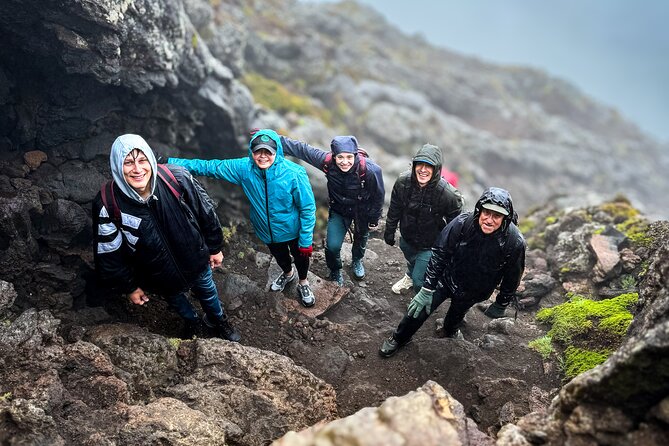
Pico starts with a steep decision. A full-day guided climb to the top of Mount Pico is one of those rare hikes where certified Pico mountain guides do more than walk ahead, they help you follow the safest line and explain the volcano as you go. I also like the small group size up to 9, because you get time for questions and you are not stuck watching your guide disappear into fog.
One big consideration: this is a medium to high effort climb, with steep, irregular footing over solidified lava flows and scramble rocks. If you are not ready for a long day, unpredictable conditions, and weather-dependent summit timing, you might feel it in your legs and focus. Having the right mountain boots and equipment is mandatory, and conditions can force the plan to change.
In This Review
- Key things that make this Pico climb worth your time
- Mount Pico, Piquinho, and Why This Guided Route Works
- Meeting at Mountain House, Then Moving Toward the Volcano
- Stop 1 at Montanha do Pico, Then Casa da Montanha: Learning While You Hike
- The Climb Up: Lava Flows, Scramble Rocks, and a Big Elevation Gain
- Summit Timing at Piquinho: When Weather Decides More Than Your Legs
- The Descent: Why Your Legs Might Complain More Than You Expect
- Guide Quality: Bruno and Matteo Make Safety Feel Effortless
- What You Actually Pay for: Price, Value, and the Included Gear
- Who Should Book This Pico Guided Climb
- When Weather Hits: How the Day Can Change
- Should You Book This Guided Pico Climb?
- FAQ
- How long is the Mount Pico guided climb?
- When does the tour start, and where do we meet?
- What time does the actual ascent begin?
- What is the maximum group size?
- Is the tour guided by professionals?
- What language is the tour offered in?
- What distance and elevation will I climb?
- What is included in the price?
- Are meals included?
- What weather conditions can affect the climb?
- Do I need special footwear?
- Is there a refund if the weather cancels the hike?
Key things that make this Pico climb worth your time
- Certified guides who choose the best track, so navigation does not become your job
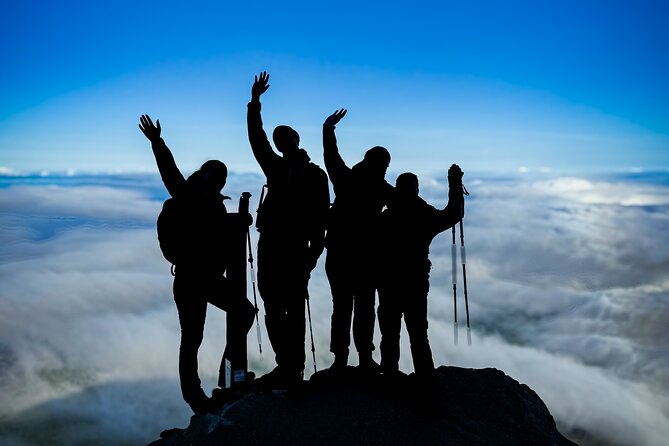
- A small group of max 9, which keeps the pace realistic and attention personal
- Weather controls the summit effort, based on wind, cloud altitude, and rain forecasts
- A real volcano route, with solidified lava flows and scramble-rock sections
- Thoughtful included extras, like hiking poles, reserve access, and personal accident insurance
Mount Pico, Piquinho, and Why This Guided Route Works
Mount Pico is Portugal’s highest peak, and that is not just bragging rights. The experience is built around a guided route that treats the mountain like what it is, a volcanic landscape where footing and conditions matter as much as willpower.
What makes this climb feel smart is the way the guides combine safety with education. You are not just marching upward. You also get information on the volcano’s geology and the local biodiversity along the way, which helps the hike feel purposeful even when the trail turns steep and your breathing gets louder than you want.
You should also know what kind of day this is. The climb is described as challenging, with difficulty ranging from medium to high depending on your physical preparation and coordination. If you are active and comfortable moving on uneven ground, this is the kind of hike that can feel empowering rather than intimidating.
Other ways up Mount Pico:
- Pico Mountain: Climb the Highest Point of Portugal 2351m
★ 5.0 · 187 reviews - Mount Pico Night Climb – Reach the Summit for a Magical Sunrise
★ 5.0 · 111 reviews - Adventure by buggy in Mount Pico
★ 5.0 · 8 reviews - Pico Mountain – Group> 4
★ 4.5 · 3 reviews
Meeting at Mountain House, Then Moving Toward the Volcano
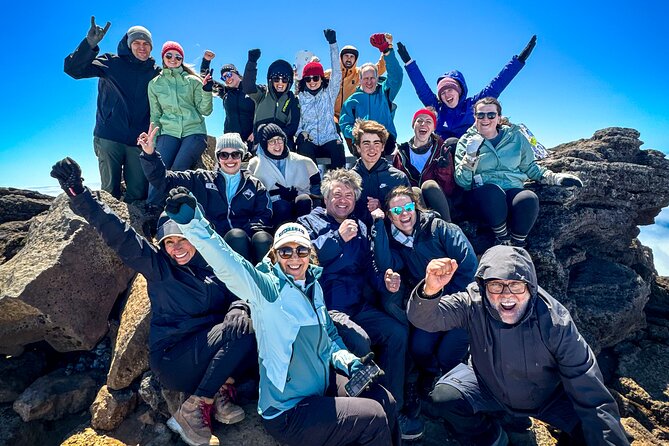
The day starts early, with a meeting time at 6:00 am at Mountain House, Caminho Florestal nº 9, Candelária, 9950-000 Madalena, Portugal. The climb itself begins around 7:00 am, so you have a little time to get organized before you step into the main ascent.
You will return to the same meeting point at the end. This matters because it keeps the day structured: you show up, get briefed and set up, climb toward the summit, and then manage the descent with your guide and group.
One practical note from the tour details: the plan depends on three meteorological factors, wind direction and intensity, cloud altitude levels, and rain forecasts. That means the day can feel more like a weather-managed mission than a fixed checklist. The upside is that the guides are watching what matters for safety and timing.
Stop 1 at Montanha do Pico, Then Casa da Montanha: Learning While You Hike
The itinerary includes two key stops: Montanha do Pico and Casa da Montanha. Even without getting too technical, these stops are useful because they break the day into manageable sections and create moments for orientation.
Casa da Montanha is also where the climb’s starting altitude is listed: 1,230 m. From there, you work your way up toward the summit at Piquinho (2,351 m). That is a huge vertical story for one day, so having structured checkpoints makes it easier to understand where you are and why the pace is what it is.
The guides are also bringing the natural world into the hike. You get geology and biodiversity information, which is a nice match for Pico’s volcanic terrain. When you can relate what you are stepping on to how the volcano formed it, the climb feels less like random suffering and more like a guided lesson you can walk through.
Also, because this is a guided route designed for not getting lost, you are less likely to spend energy second-guessing the trail in fog or at confusing turns.
The Climb Up: Lava Flows, Scramble Rocks, and a Big Elevation Gain
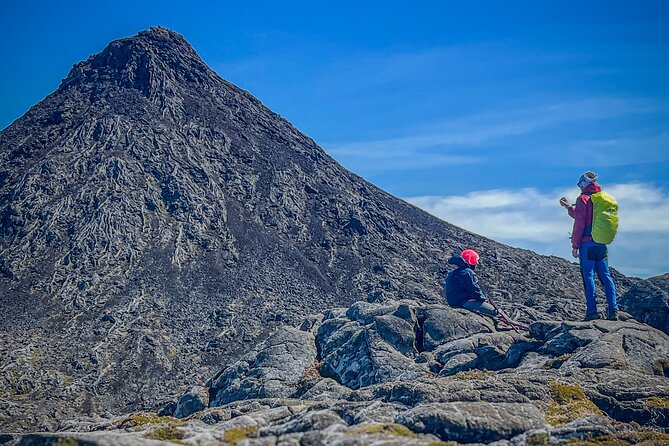
Here is the core physical picture. The ascent is listed as starting around 7:00 am and averaging 7 to 9 hours, depending on group pace and weather.
Distance and elevation are substantial:
- The full climb totals about 8 km.
- The accumulated elevation gain is around 2,200 m.
- The description also notes a steep section of about 4 km with roughly 1,100 m of elevation from Casa da Montanha up toward the summit.
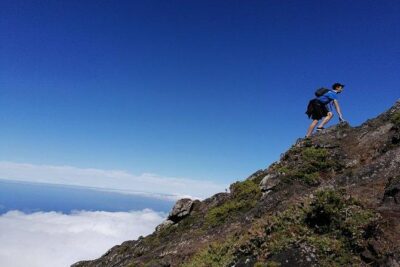
The trail is described as steep and irregular. Expect solidified lava flows and scramble-rock sections. That combination usually means slow progress even when you are strong, because you are placing your feet carefully and using your hands at times for balance.
This is where a guide earns their spot on your budget. In fog or with wind, the trail line can be hard to interpret. Guides also help keep the group moving at a pace that stays safe and realistic for the conditions.
My practical advice for you: if you want a smoother day, plan for steady effort rather than speed. Focus on coordination, not ego. The climb is demanding, but it becomes far more manageable when you treat it as a controlled climb with frequent pacing resets.
Summit Timing at Piquinho: When Weather Decides More Than Your Legs
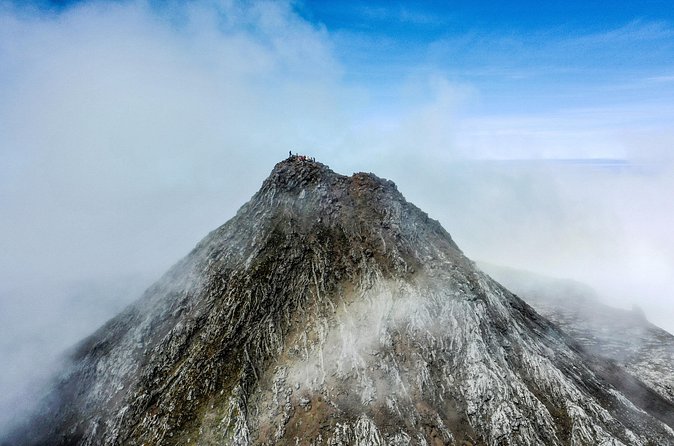
Reaching the top is the point, but Pico does not always hand it to you on a perfect schedule. The tour explicitly depends on weather: wind direction and intensity, cloud altitude levels, and rain forecasts.
That matters because the top can be a very different environment than the lower trail. If clouds sit too low, the summit area can reduce visibility and make footing feel more exposed. If wind is strong and rain is on the way, the safe choice can shift fast.
I like that the tour takes this seriously instead of pretending the hike is guaranteed. It helps you go in with the right mindset. Plan for the possibility that the guide may adjust the route or timing based on real conditions.
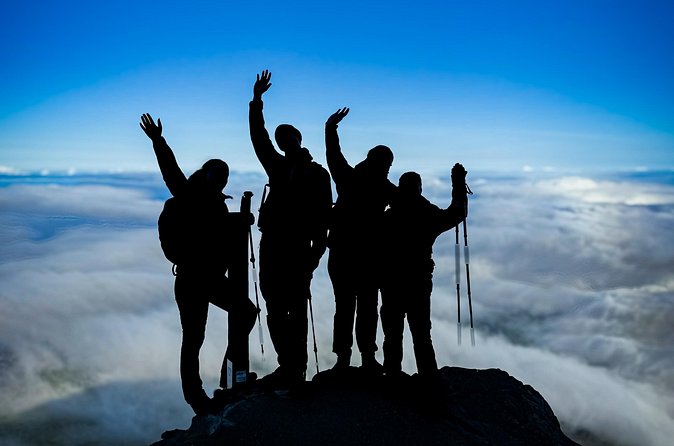
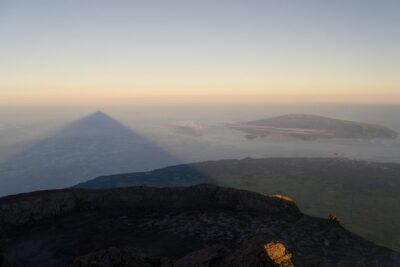
When conditions cooperate, the whole day makes sense. You have already put in hours on lava-textured ground, climbed toward Piquinho’s altitude of 2,351 m, and earned the payoff that comes from seeing the outcome of all that vertical effort.
More on Pico:


The Descent: Why Your Legs Might Complain More Than You Expect
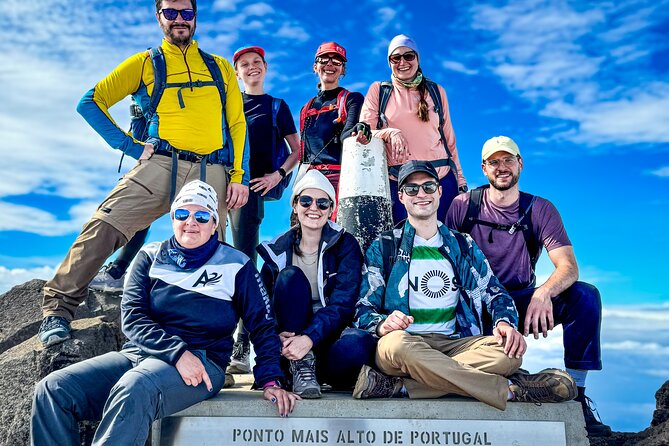
Even when the ascent is hard, the descent is often the part that surprises people. The tour description calls the trail steep and irregular, and the review notes an endless and very tiring descent.
So if you are planning your next day, I would treat this like a workout, not a gentle walk. Plan for thigh muscle soreness, and consider a lighter schedule after. It is common after steep descents, and you cannot outsmart gravity.
The good news is that with a guided group, you do not just stumble down and hope for the best. Guides help you navigate confusing sections and keep the group moving together, which reduces the chance of someone getting lost or rushing ahead and then struggling later.
Guide Quality: Bruno and Matteo Make Safety Feel Effortless
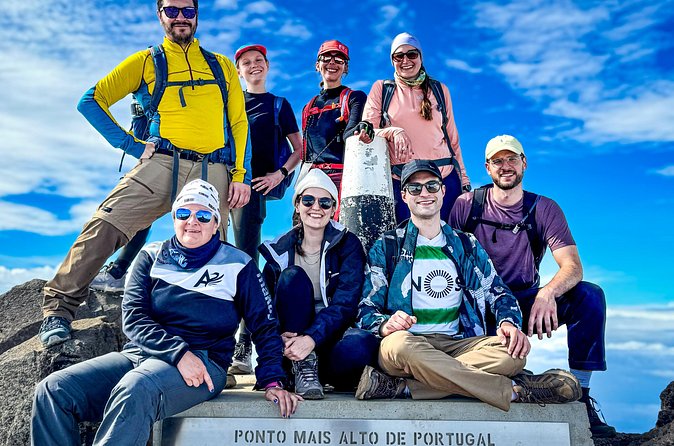
The strongest recurring theme is guide support. People consistently describe guides as patient, cheerful, and fully invested in helping everyone finish safely.
Bruno is praised specifically as amazing, with constant guidance that made the climb possible. Another highlight is how Bruno keeps the tempo calm enough for the whole group to reach the top, not just the fastest hikers. That is the kind of detail that changes the whole experience. A steady pace and good guidance can turn a frightening trail into a doable challenge.
Matteo also stands out. In a weather-ruined situation, Matteo offered a different day for the hike. And even when a weather shift cancels plans, Matteo’s customer service approach showed flexibility, including a refund in the case described where clouds and snow covered the summit.
That combination, real instruction plus real care, is what makes a guided Pico climb feel worth it. You are not paying only for movement, you are paying for decisions that keep you safe on an unforgiving trail.
What You Actually Pay for: Price, Value, and the Included Gear
The price is $102.84 per person for a guided full-day climb. To judge value, I look at what you avoid paying separately.
Included items are solid:
- Entrance fee for Mount Pico Natural Reserve access
- Hiking poles
- Professional and certified Mount Pico guide
- Allianz Personal Accident Insurance
- Climbing Certificate of Achievement
That is a practical bundle. Reserve access is not nothing on a protected volcano. Poles are helpful on steep, uneven lava terrain, and they reduce strain on your legs and joints. Insurance adds peace of mind, especially on a day with scramble-rock footing and weather variables.
A couple things are not included:
- Meals
- An air-conditioned vehicle
Meals not included means you should plan your own food and water. On a long climb that can run 7 to 9 hours, snacks and hydration matter, even if the guides handle pacing.
Also, with a meeting point in Madalena, assume you will handle your own transit to get there. The tour does not include an air-conditioned vehicle, so plan accordingly.
Who Should Book This Pico Guided Climb
This is best for people who are ready to work for it. The tour details ask for strong physical fitness and good motor coordination. If you are active, comfortable with uneven ground, and you can pace yourself for a steep, long day, you will likely find this one of the most rewarding hikes you do in the Azores.
The tour also has clear limits. You should not book if you have restrictions that affect coordination or safety, including issues with lower limbs, vertigo, mental health conditions, heart problems, asthma, diabetes, pregnancy, or other health conditions. You are instructed to inform Tripix Azores about any physical restrictions.
One specific condition stands out: do not go diving within 24 hours before the climb. That is an easy rule to follow, but it is important to respect it.
If any of this gives you pause, consider choosing a less demanding activity instead. Pico is not a good place to test yourself.
When Weather Hits: How the Day Can Change
Pico weather can be dramatic, and the climb is built to respond. The tour plan is explicitly tied to wind, cloud altitude, and rain forecasts, so it is normal for the guide to make call adjustments.
One example from a real experience: the scheduled hike did not complete because clouds and snow covered the top. In that case, the operator offered a different day and a refund. That is exactly the kind of flexibility you want from a guide service when conditions reduce safety.
At the same time, the tour policy notes that cancellations are non-refundable and changes are not allowed for any reason. So do not plan your entire trip around only one fixed date. If you can, build in flexibility on your Pico schedule so a weather day does not sink everything.
Should You Book This Guided Pico Climb?
If your goal is a safe, structured shot at Portugal’s highest peak with real instruction on volcano geology and biodiversity, this is a strong choice. I like that the pace is group-managed, that navigation is handled by certified guides, and that summit timing considers the actual weather, not just your enthusiasm.
You should book if:
- You are active, steady on uneven ground, and ready for 7 to 9 hours of effort
- You value guide-led navigation, especially when fog or wind can show up
- You want the educational angle, understanding what you are climbing through
Skip or rethink if:
- You are not comfortable with steep, irregular terrain
- You have any of the health or coordination restrictions listed in the tour rules
- You are counting on an effortless day with minimal physical strain
Bottom line: Mount Pico is a serious hike, and this guided approach turns that seriousness into something you can take on with confidence, guidance, and a clear plan for the mountain ahead.
FAQ
How long is the Mount Pico guided climb?
The tour duration is about 7 hours on average. The ascent can take between 7 and 9 hours depending on group pace and weather conditions.
When does the tour start, and where do we meet?
The meeting point is Mountain House, Caminho Florestal nº 9 Candelária, 9950-000 Madalena, Portugal, with a start time of 6:00 am.
What time does the actual ascent begin?
The ascent of Mount Pico starts around 7:00 am.
What is the maximum group size?
The maximum group size is 9 travelers.
Is the tour guided by professionals?
Yes. You hike with a professional and certified Mount Pico guide.
What language is the tour offered in?
The tour is offered in English.
What distance and elevation will I climb?
The full climb covers about 8 km with an accumulated elevation gain of about 2,200 m. The description also notes a steeper portion of about 4 km and 1,100 m of elevation from Casa da Montanha toward the summit.
What is included in the price?
Included are Mount Pico Natural Reserve access, hiking poles, a professional and certified guide, Allianz Personal Accident Insurance, and a Climbing Certificate of Achievement.
Are meals included?
No, meals are not included.
What weather conditions can affect the climb?
The climb depends on wind direction and intensity, cloud altitude levels, and rain forecasts.
Do I need special footwear?
Yes. You must present yourself with proper mountain boots and equipment suitable for the activity. Without them, you may be excluded from the climb without a refund.
Is there a refund if the weather cancels the hike?
The experience provider states it is non-refundable and cannot be changed for any reason. However, a described situation involved a weather-related cancellation where a different day was offered and a refund was allowed.
Just in from around Pico
- 3H Buggy tour of Pico Island vineyards★ 5.0 · 2 reviews
- Pico Mountain – Group> 4★ 4.5 · 3 reviews
- Award-Winning Luxury Wine Tasting at the Czar Pico Winery★ 5.0 · 3 reviews
- Private Route★ 5.0 · 4 reviews
- Pico Island wine culture – Private tour (+ optional wine tasting)★ 5.0 · 4 reviews
- Happy Cows Buggy Tour★ 5.0 · 4 reviews
Mount Pico Climbs, compared.
Pico Mountain Climb: Your Path to Portugal’s Highest Point
Read our review →
Pico Mountain: Climb the Highest Point of Portugal 2351m
Read our review →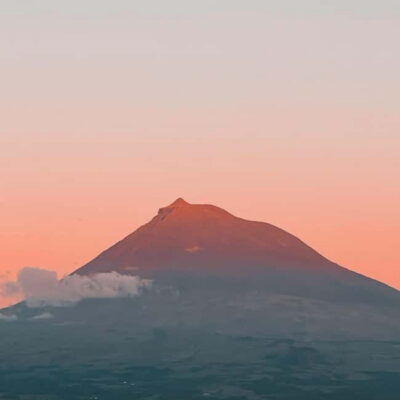
Pico Mountain Climb: Portugal’s Highest Point – 2351 meters
Read our review →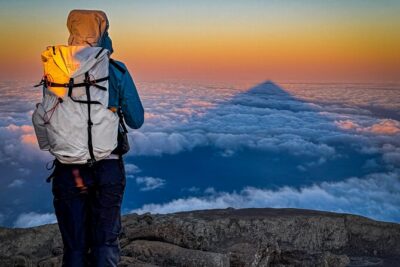
Mount Pico Night Climb – Reach the Summit for a Magical Sunrise
Read our review →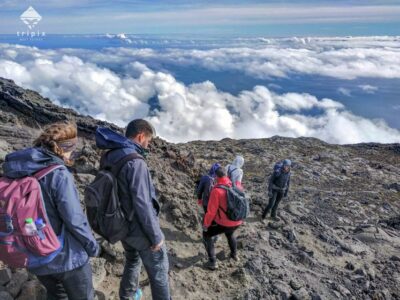
Pico Mountain Climbing private tour – with round trip from Faial
Read our review →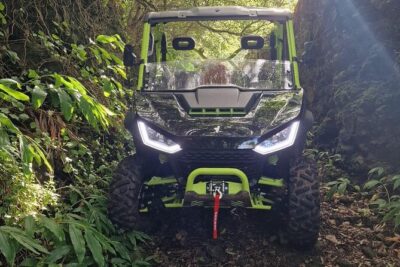
Browse the lists this tour appears in