
Reviewed · WHALE WATCHING
Guided activity in the Heart of Azores with whales and dolphins
Wild whales can show up quickly.
This guided whale and dolphin trip from Velas in the Azores is exciting because the hunt is run by marine biologists, Rita and Miguel, and you start with a species talk plus a lookout plan before you even head out. I especially like how they focus on wild cetaceans (no feeding, training, or tagging) and how they explain what you are looking for as resident, migratory, and occasional animals use these waters. The main drawback is simple, there is always a chance that no whales or dolphins are nearby on the day.
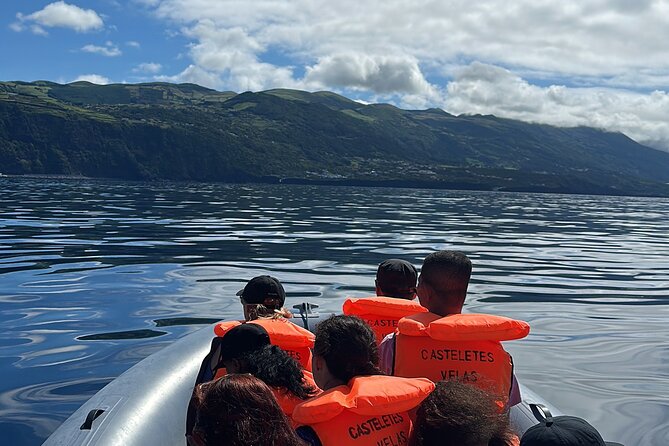
After the safety briefing, you head to the water for a careful search. You use powerful binoculars from a high lookout, then you approach only if something is seen close enough to observe. You will also get an on-deck chance to ask questions, and a recap back in Velas once the outing wraps up.
At $92.69 per person for about 3 hours, this is not a long tour, and it is best when you can be flexible with the ocean. The group stays small, up to 12 travelers, and you should have a moderate physical fitness level for the ride.
In This Review
- Key points you will feel on the water
- Whale and dolphin watching from Velas: what makes this Azores tour feel different
- Rita and Miguel, two biologists from the islands and the mainland
- The 3-hour rhythm: briefing, lookout scanning, then time on the water
- How wild whale and dolphin spotting works when the ocean decides
- Small group limits, big difference in how you experience the boat
- Mostly uncharted territory: what that can mean for your experience
- Price and value: $92.69 for about 3 hours, and what you get besides sightings
- What to expect before you go: meeting in Velas and being ready to move
- What’s on deck for comfort: coffee, restrooms, and the one item to bring
- Weather reality check: when good days turn into reschedules
- Who should book this whale and dolphin tour from the Azores
- Should you book this experience in the Azores?
- FAQ
- FAQ
- How long is the guided whale and dolphin tour?
- Where do I meet for the tour in Velas?
- How much does the tour cost?
- What is included in the price?
- What is not included?
- How many people can join the tour?
- What happens if the weather is not good?
- How soon will I get confirmation after booking?
Key points you will feel on the water
- Marine biologists lead the experience, so questions are welcome, not brushed aside.
- High-lookout scanning with binoculars happens before sightings, which helps your odds.
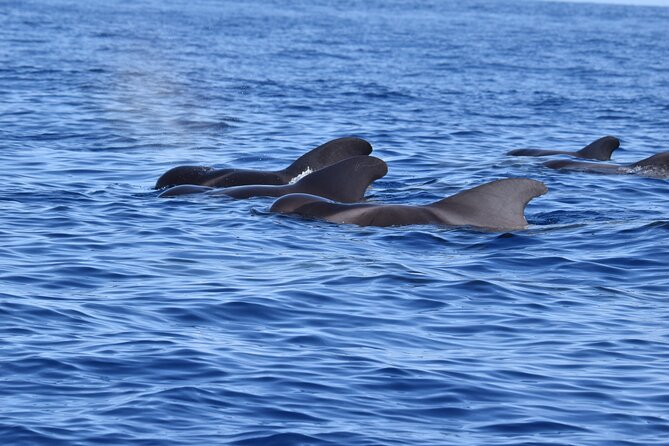
- Wild animals only, no feeding, training, or tagging, so behavior stays natural.
- Small group size, max 12, which makes it easier to hear guides and spot signs.
- Chances are good, but not guaranteed, since the animals control the timing.
- After-tour recap in Velas helps you connect what you saw with species patterns.
Whale and dolphin watching from Velas: what makes this Azores tour feel different
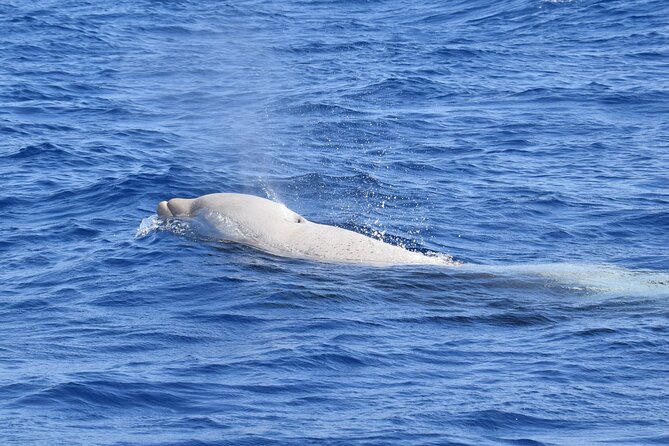
This is the kind of tour where you learn as you go. You do not just sit and hope. The crew gives you a “why” up front, then runs the day like a field day at sea.
You start with a safety briefing, then a talk about how cetaceans use the Azores. The guides discuss differences between resident animals, migratory animals, and animals that show up only occasionally. That matters because it changes what you expect to see, and it helps you interpret what you spot, like a few quick surface blows versus longer patterns of movement.
Once you head out, the routine stays practical. A lookout stays on the lookout using powerful binoculars, and you scan for signs rather than chasing random areas. If the ocean is playing along, you approach groups or individuals passing close by so you can observe.
The tone also matters. Since the guides are marine biologists, the questions you ask are part of the job, not an interruption. If you care about behavior, identification cues, or migration timing, this format is built for that.
More whale watching in Azores:
- From Ponta Delgada: Whale and Dolphin Watching Trip
★ 4.7 · 4,109 reviews - Azores: Whale Watching & Islet Boat Tour w/ Marine Biologist
★ 4.7 · 2,945 reviews - São Miguel: Whale-Watching Cruise with Marine Biologist
★ 4.6 · 1,311 reviews - Azores Whale Watching Tour – Ponta Delgada
★ 4.5 · 740 reviews
Rita and Miguel, two biologists from the islands and the mainland
The guides here are Rita and Miguel, and that is a big part of the value. Miguel is from São Jorge Island, Rita is from Alentejo, and both of them clearly built their careers around ocean life and making science connections. You can feel the blend of local ocean instincts and real scientific curiosity in how the tour is described.
They also set a key expectation early: they do not control animals. They do not feed, train, or tag. Their role is to search and observe groups or individuals that happen to pass close by. That is important because it keeps the outing honest. You are watching animals in their own world, not interacting with a program.
I also like that they emphasize the reality of uncertainty. Sometimes you may not find cetaceans nearby. The crew says they will give you a solution if that happens, so the tour does not sound like it ends the moment the sightings do not appear.
The 3-hour rhythm: briefing, lookout scanning, then time on the water
The outing runs about 3 hours. That is a comfortable length for most people, but it also means the schedule is tight. You will want to be ready when they launch into the search.
First comes the safety briefing. Then the species talk sets your baseline. You will hear about different types of whales and dolphins that use the Azores in different ways, and how those patterns influence what the crew is looking for.
Next, you rely on the lookout system. Before and during the tour, the crew uses a high-place lookout with powerful binoculars. In plain terms, this is how you find signs early, when distances are still manageable and the boat does not waste time.
After they locate something on the ocean, the crew approaches to collect and observe. You are not doing a drive-by. You are taking time to watch, then the guides explain what you are seeing and why it matters.
You also get an after-tour recap back in Velas. That is where the tour turns into knowledge you can take home. Instead of leaving with only a photo, you leave with answers.
How wild whale and dolphin spotting works when the ocean decides
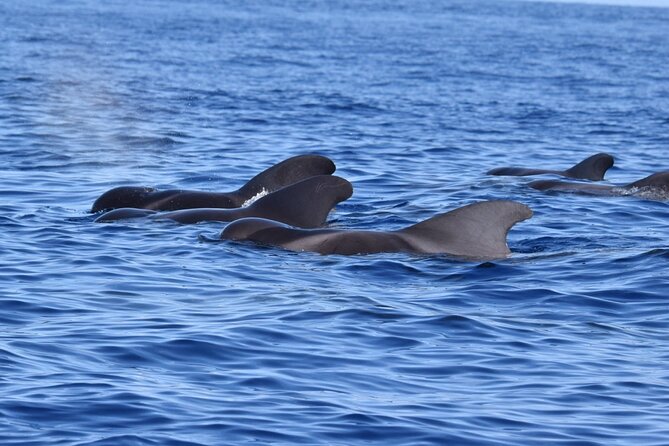
Wildwatching has one rule: the animals are in charge. This tour is transparent about that. The guides search for whales and dolphins passing close by, and there is a chance no cetaceans are nearby.
Here is how to use that information to your advantage. Keep your head up during scanning, because you are looking for cues like surface movement, patterns of behavior, and the way groups travel. When the crew spots something, pay attention to what the guides tell you, because they are linking behavior to what they expect based on species patterns.
Approach is another big element. The crew says they approach to observe when they find something on the ocean. That approach style matters for your viewing. It usually means you will not get dragged into far-off locations with unclear odds. Instead, you watch what is close enough to observe responsibly.
If nothing shows up, the guides say they will offer a solution. The important thing for you is to go with the right mindset: come for the ocean experience, not only for a guaranteed whale or dolphin sighting.
Small group limits, big difference in how you experience the boat
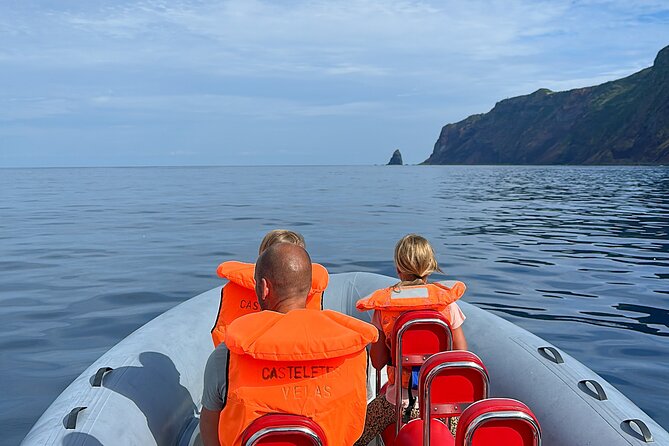
With a maximum of 12 travelers, this tour keeps the deck manageable. That affects your day in practical ways.
- You can hear the guides when they explain what is happening.
- It is easier to shift your position for better sightlines.
- You are more likely to actually get your questions answered, since the guides are marine biologists and seem set up for interaction.
That last part is worth mentioning because a lot of whale watching trips turn into a passive viewing session. This one is built to be a conversation.
The “two young biologists” vibe also helps. They mention making a living from these tours and writing scientific papers, which suggests a deep personal commitment to doing the work right. You can also see it in their promise that you will be excited before stepping aboard.
More dolphin watching in Azores:
Mostly uncharted territory: what that can mean for your experience
The tour description adds a detail that you should take seriously: the crew aims to do much of the trip in uncharted territory, meaning no other boats will be around for most of the outing.
For you, that can change the feel of the trip. Fewer boats typically means less noise, fewer interruptions, and calmer conditions for observation. It also often means sightings are more about the animals than about traffic at sea.
It is not a guarantee, because ocean conditions and animal movement still control outcomes. But the intent is clear: the crew wants you to experience the area as they find it, with time to observe behavior without constant boat-to-boat distractions.
Price and value: $92.69 for about 3 hours, and what you get besides sightings
At $92.69 per person, you are paying for a guided field-style outing. This is not priced like a quick sightseeing cruise. You are paying for expertise, gear, and time on the water built around searching.
What makes the value stronger is the included essentials:
- Insurance
- Lifejackets
- Restrooms
- Guides, including marine biologists
- Coffee and/or tea
Bottled water is not included, so you should plan for that. Even if you do not feel thirsty, sea time adds up, and the wrong hydration plan can ruin how you feel on a tour like this.
Also consider what you are likely to remember. If you spot whales or dolphins, you will remember the moment. If you do not, you may still remember the species talk, the scouting process, and the way the guides explain what you are seeing on the water.
That knowledge piece is a big part of the value here. The review that exists praises Rita and Miguel for conveying both knowledge and passion for marine fauna. That lines up with the format, safety briefing plus species talk, followed by ongoing observation and then a recap.
What to expect before you go: meeting in Velas and being ready to move
The meeting point is Rua Conselheiro Dr. José Pereira 1, 9800-530 Velas, Portugal. The tour ends back at the meeting point.
You should build a little buffer into your arrival, because you do not want to rush through the safety briefing. The tour includes lifejackets, but you still want your clothes and your body to be ready for time on the water.
The description also says service animals are allowed. The physical side is “moderate fitness level,” which is what you should treat as your cue. If you get easily seasick or if you struggle with steps onto boats, you should think carefully.
You get a mobile ticket, and confirmation is received within 48 hours of booking, subject to availability.
What’s on deck for comfort: coffee, restrooms, and the one item to bring
You are not walking into this unprepared. Lifejackets are provided, and there are restrooms on board. That sounds basic, but on a 3-hour ocean outing it matters more than you think.
Coffee and/or tea are included, which gives you a small comfort boost and helps the mood if the weather is cool. What is not included is bottled water. That is the one clear supply gap you should plan for.
Beyond that, treat this like a real ocean tour. Even when the weather is “good,” sea spray happens, wind changes fast, and the deck can feel colder than you expect near the water.
Weather reality check: when good days turn into reschedules
This experience requires good weather. That is not marketing fluff. If conditions are not right, the tour will be canceled and you will be offered a different date or a full refund.
That is important for planning. If you are visiting Azores on a tight schedule, consider leaving at least one flexible day where possible. Whale and dolphin trips are always at the mercy of sea conditions, and this one explicitly requires weather to run.
If you book, keep an eye on forecasts the closer you get, and be ready for a change of plans without panic.
Who should book this whale and dolphin tour from the Azores
This trip is a strong match if:
- You want a guided experience led by marine biologists, not just a narrator.
- You enjoy learning about animal behavior, not only chasing photos.
- You like small groups and question-friendly tours.
- You can accept that wildlife outcomes depend on the day.
It may be less ideal if:
- You are looking for a guaranteed sighting. The crew searches for animals passing close by, and there is a chance none are nearby.
- You do not handle boats and ocean movement well, since the activity calls for moderate physical fitness.
If you are traveling with kids, this could still work, but the tour’s physical requirements and the unpredictability of sightings mean you should judge based on your family’s comfort level.
Should you book this experience in the Azores?
Book it if you want a whale and dolphin tour with real scientific guidance and an approach focused on wild behavior. I like that the crew is honest about the rules of wildlife viewing, no feeding, training, or tagging, and that they run a structured search with lookout scanning and binoculars. If you love learning, the species talk at the start and the recap in Velas are the kind of extras that make the day stick with you.
Skip it if your plans are so tight that a weather-based change would wreck your schedule, or if you need a 100 percent whale or dolphin guarantee. This tour sells the search and the knowledge, not a forced outcome.
FAQ
FAQ
How long is the guided whale and dolphin tour?
It runs for about 3 hours.
Where do I meet for the tour in Velas?
You meet at Rua Conselheiro Dr. José Pereira 1, 9800-530 Velas, Portugal, and the activity ends back at the same meeting point.
How much does the tour cost?
The price is $92.69 per person.
What is included in the price?
Insurance, lifejackets, restrooms, guides (marine biologists), and coffee and/or tea are included.
What is not included?
Bottled water is not included.
How many people can join the tour?
The tour has a maximum of 12 travelers.
What happens if the weather is not good?
This experience requires good weather. If it is canceled due to poor weather, you will be offered a different date or a full refund.
How soon will I get confirmation after booking?
Confirmation is received within 48 hours of booking, subject to availability.
Just in from around Azores
- Sete Cidades Private Tour 2 people★ 5.0 · 1 review
- Azores: Day at the Farm with Traditional Lunch★ 5.0 · 1 review
- Walking Trail / Tour – Fajã Caldeira Santo Cristo★ 5.0 · 2 reviews
- Private Half Day 4X4 tour to Sete Cidades 1-4 people★ 5.0 · 2 reviews
- From Angra: Sunset with Local Products★ 5.0 · 4 reviews
- São Miguel: Sunset Boat Tour – Golden Light, Cliffs & Caves★ 5.0 · 5 reviews
Whale Watching, compared.
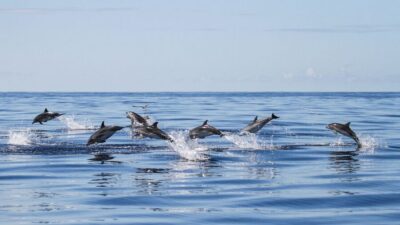
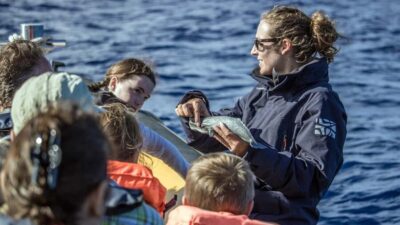
Whale Watching & Islet Boat Tour w/ Marine Biologist
Read our review →
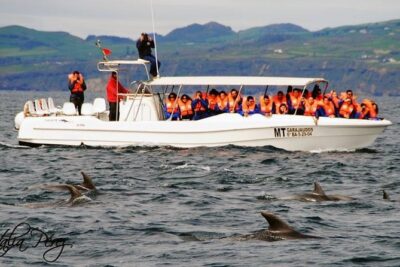
University Startup Whale and Dolphin RIB Boat Trip
Read our review →Browse the lists this tour appears in