
Reviewed · WHALE WATCHING
Pico Island: Whale Watching Experience from Lajes do Pico
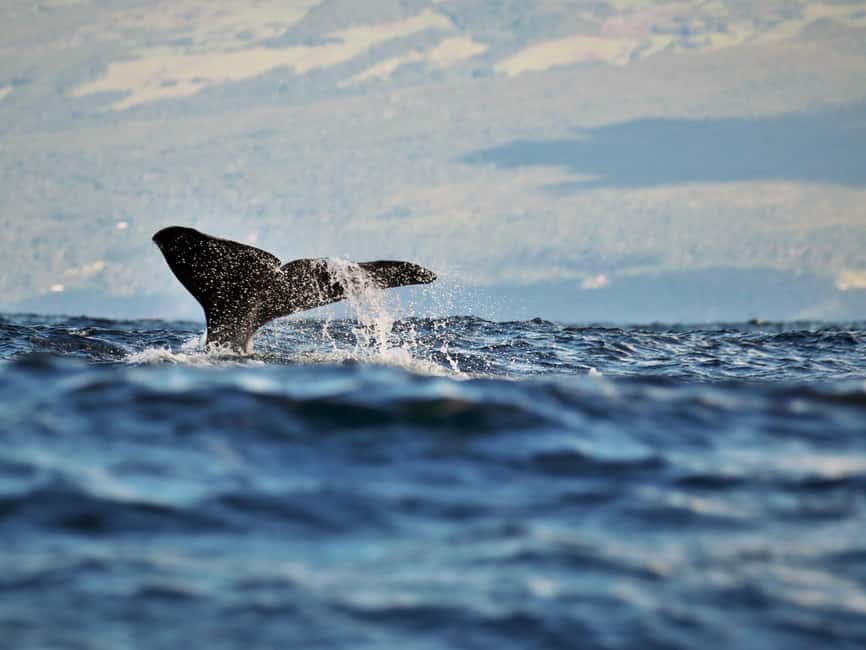
A good whale-watching trip comes down to two things: where you go and how you treat the ocean. This one from Lajes do Pico pairs a fast zodiac with marine biologists and a real focus on animal behavior, not chasing.
I especially like the way the guides explain what you might see before you ever leave port, and then keep talking as you spot whales and dolphins. Guides such as Lynn and Nadja (named by past guests) show up in a lot of shared feedback, and the common thread is passion plus practical respect at sea.
One thing to keep in mind: the experience depends on weather and sea conditions, and the boat can feel choppy. If you have back problems or health concerns listed by the operator, this may not be the right fit.
In This Review
- Key things I think you’ll care about
- From Lajes do Pico Harbor to a Zodiac Hunt for Cetaceans
- Safety Briefing and Marine Biologist Talk Before You Go
- 2.75 Hours at Sea, What the Cruise Feels Like When Whales Appear
- What You Might See Off Pico (and Why Species Variety Is a Big Deal)
- The Choppy-Weather Reality: Gear, Seat Choice, and Comfort Tips
- Price and Value: What $82 Buys You (and What It Does Not)
- Who Should Book This Tour, and Who Should Skip It
- Final Call: Should You Book Futurismo Whale Watching from Lajes do Pico?
- FAQ
- Where do I meet for the whale watching tour?
- How long is the tour, and how much time is spent on the boat?
- What languages are the guides?
- What should I bring, and is any gear provided?
- What is included in the price, and what is not?
- Is this suitable for children or people with health concerns?
- What if the weather is bad?
Key things I think you’ll care about
- Marine biologist guidance that’s built around species and respectful viewing
- A fast zodiac that can get you from one sighting to the next
- Time on the water that feels substantial for a 3-hour outing
- Good odds with fewer crowds, since the goal is to find cetaceans away from pressure
- Weather and comfort matter, so pack for wind and spray
From Lajes do Pico Harbor to a Zodiac Hunt for Cetaceans
The tour starts at Futurismo Whale Watching in Lajes do Pico, where you check in at the ticket counter before boarding. If you’re driving, there’s a free parking lot nearby, but it’s a short walk to the shop, so give yourself a little buffer.
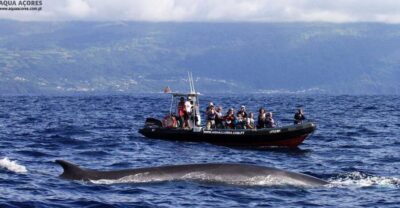
Then you shift from harbor land to open ocean fast. This is a zodiac-style experience, so it feels close, immediate, and a bit more “real sea adventure” than big-boat sightseeing. If you like fresh air and the smell of salt on your face, that part won’t disappoint.
What you’re really buying here is flexibility on the water. The captain and team can adjust routes as sightings happen, instead of staying stuck to one fixed path.
More whale watching in Pico Island:
- Pico Island: Azores Whale & Dolphin Watching on Zodiac Boat
★ 4.8 · 408 reviews - Whale and Dolphin Watching in Pico Island – Half Day
★ 4.5 · 157 reviews - Observation of whales and dolphins in island Pico
★ 4.7 · 76 reviews - Whale and Dolphin Watching Tour on Pico Island
★ 4.5 · 17 reviews
Safety Briefing and Marine Biologist Talk Before You Go
Before you cruise, you’ll get a safety briefing that takes about 15 minutes. It’s not just rules on paper, it’s also how the crew runs the boat in a way that considers both passengers and animals.
Right after, the marine biologist guides handle the pre-tour briefing. Expect a practical introduction to the cetaceans that live in or pass through these waters, plus how whale watching works in the Azores. This is where you learn the difference between seeing an animal and putting pressure on it, and why distance and patience matter.
This matters for your own experience. When you understand what you’re looking for, sightings stop feeling random. Even if you don’t spot a whale immediately, you’ll know what behavior could signal one coming into view.
2.75 Hours at Sea, What the Cruise Feels Like When Whales Appear
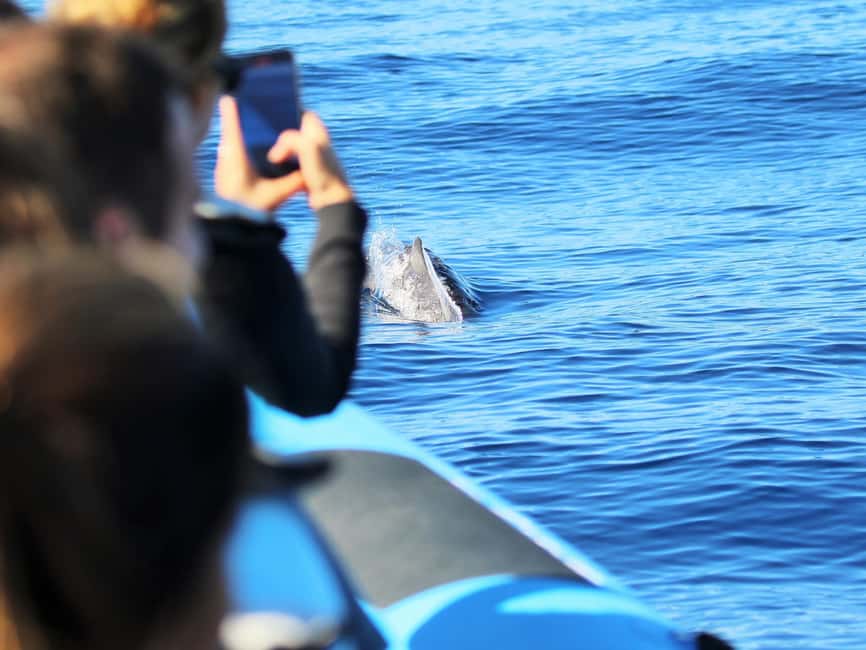
Once the briefing is done, you’re off for about 2.75 hours of boat cruise and whale watching. Along the way, you may get views of Pico’s coastline with its dramatic mix of basalt and lush vegetation. It’s the kind of scenery that makes you realize you’re not just looking for animals, you’re traveling through their home range.
When you reach the viewing area, the guiding style is built on respect. The goal is to observe cetaceans in the wild without turning the animals into entertainment. In practice, that means paying attention when the crew changes course, slows down, or backs off.
A common theme from past guests is that the operation works fast once they’re onto something. People report quick movement between sightings when conditions allow, and a strong focus on animal wellbeing first. That’s exactly what you want from a professional team.
What You Might See Off Pico (and Why Species Variety Is a Big Deal)
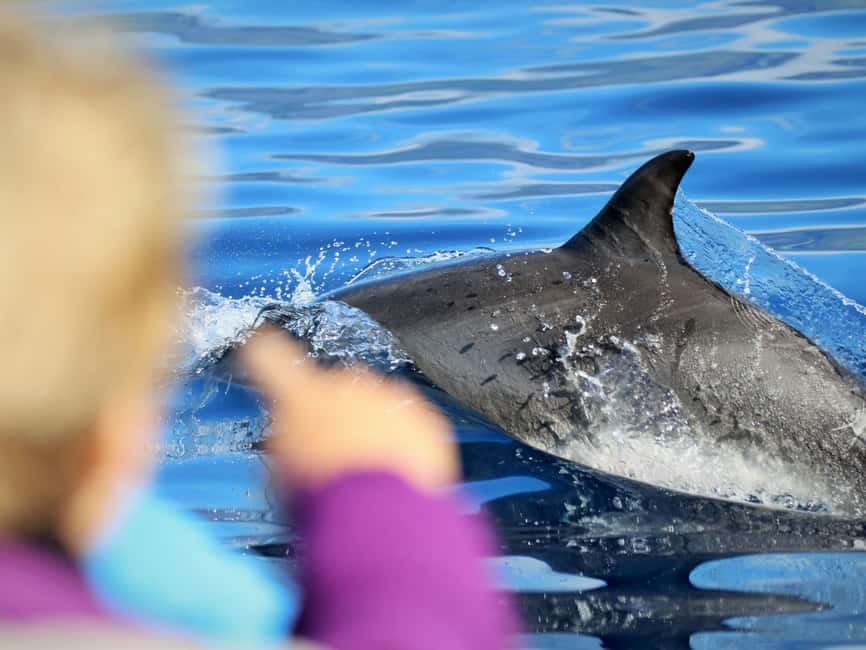
The Azores sit in a huge ocean crossroads, and the region is home to or a migration stop for many whale and dolphin species. On this tour, you might see whales moving through deeper water, or pods coming closer to the surface.
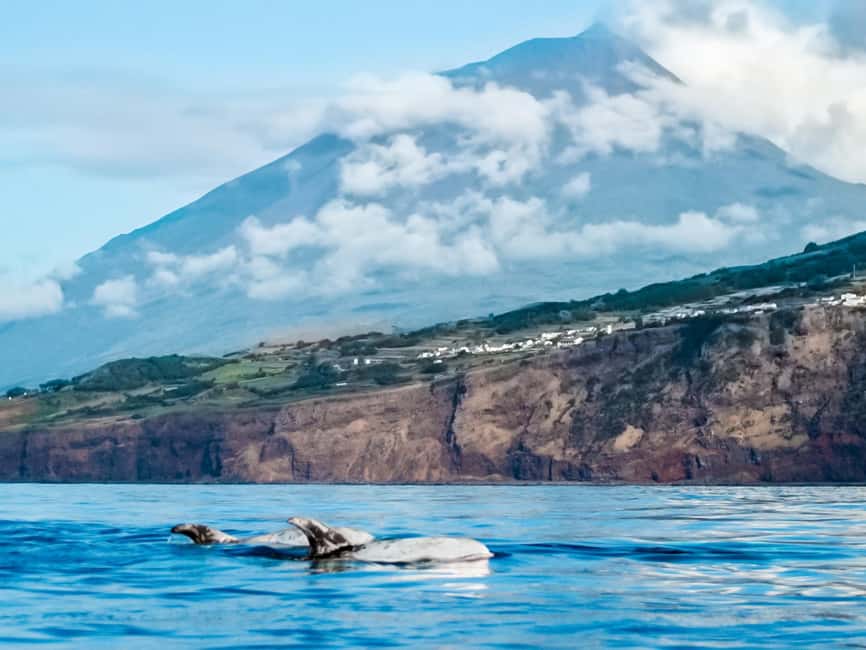
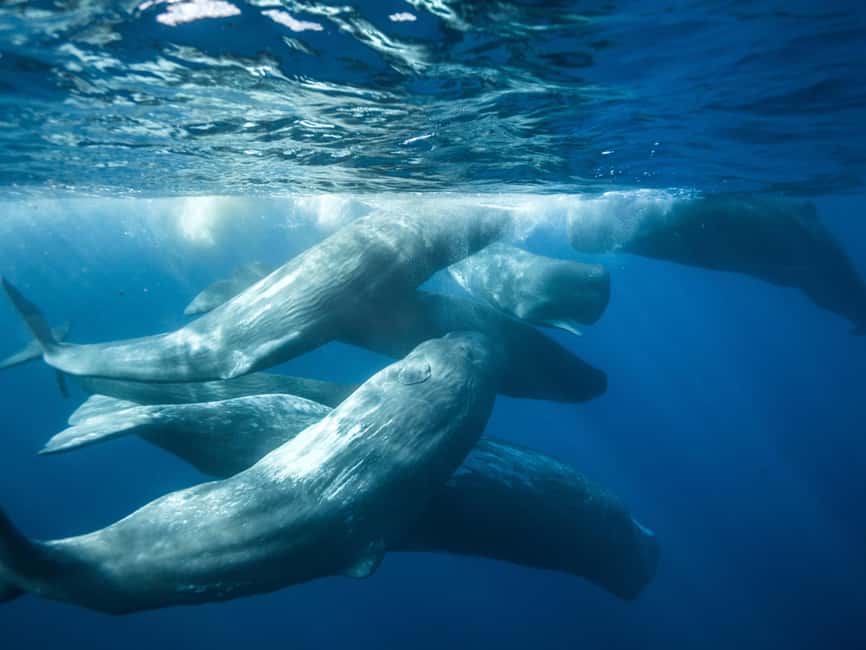
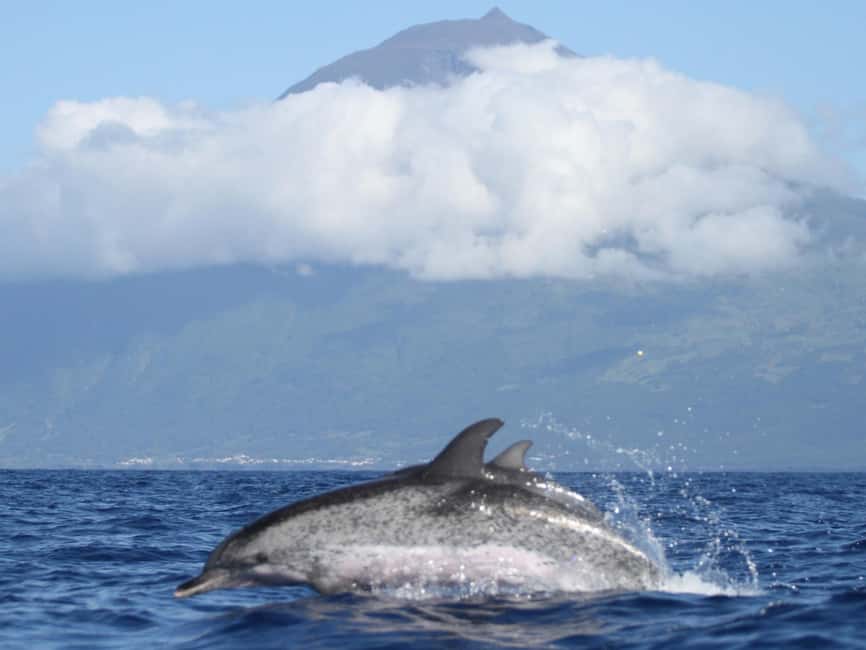
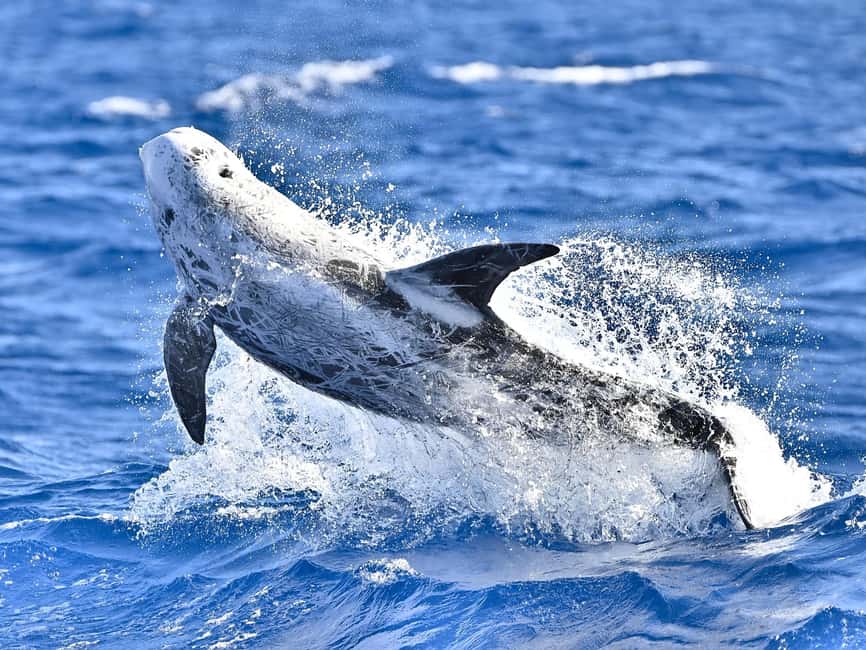
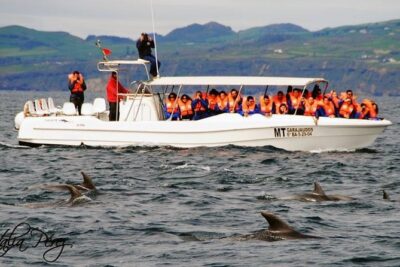
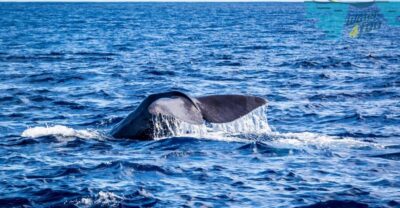
In the feedback, I see a recurring pattern: people often end up with multiple cetacean encounters, not just one. Named species sightings include sperm whales and multiple dolphin types such as common dolphins, Atlantic spotted dolphins, bottlenose dolphins, pilot whales, and Risso’s dolphins. Some trips also include sightings like sea turtles, plus birds and even Portuguese man o’ war.
That variety changes the whole feel of the trip. A single whale surfacing once is exciting, but several species on the same outing lets you learn how different animals move, feed, and behave. It also helps if you’re visiting in a shoulder season, when specific whales can be less predictable.
One more practical point: sightings aren’t guaranteed. But the way this operator works can improve your odds. The crew uses spotters who share information with the skipper, which helps you find animals without waiting blindly.
The Choppy-Weather Reality: Gear, Seat Choice, and Comfort Tips
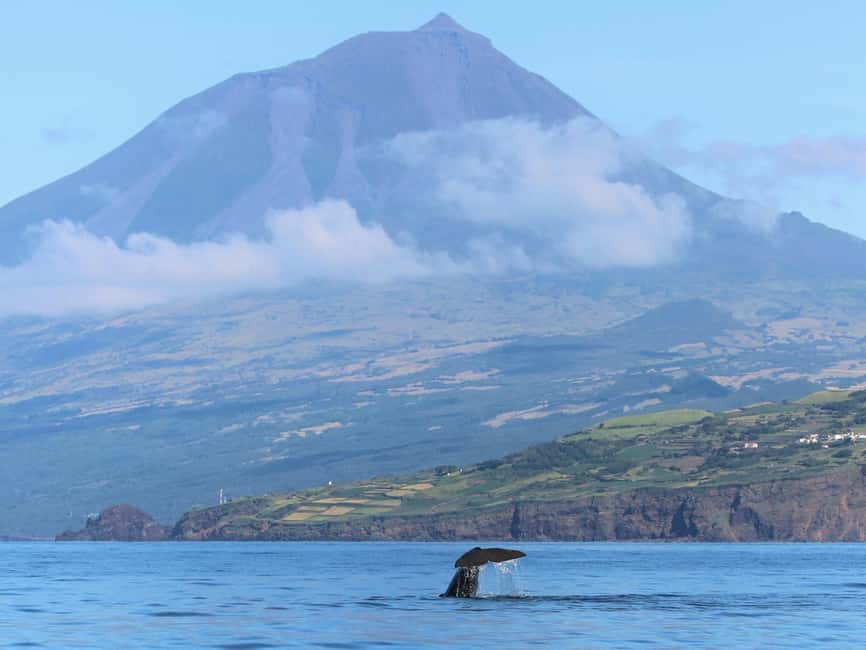
Let’s talk comfort, because zodiac trips give you closeness, and that comes with wind and spray. The good news is that the operator provides life jackets and can lend a raincoat and pants if necessary. Still, you should plan as if you’ll get wet or cold around the waterline.
Bring what they recommend: comfortable shoes, a windbreaker, sunglasses, a sun hat, sunscreen, outdoor clothing, and a waterproof bag. Even on bright days, wind off the ocean can make it feel colder than you expect.
If you don’t like bumpy rides, use a simple tactic: ask to sit toward the back of the boat. Past guests specifically call out that rear seating can feel smoother when the water gets rough. It’s a small request that can noticeably improve your comfort.
Also, this is not a tour for everyone physically. The operator notes it isn’t recommended for pregnant women, or for people with back problems, and it also lists heart problems and recent surgeries as reasons to avoid this outing. If any of those apply, don’t try to tough it out.
More on Pico:




Price and Value: What $82 Buys You (and What It Does Not)
At about $82 per person for a 3-hour outing, you’re not just paying for a boat ride. You’re paying for guided viewing by marine biologists, plus safety gear and a briefing that sets you up to spot animals more intelligently.
Here’s what’s included:
- Boat trip on the water
- Life jacket
- Marine biologist guides
- Pre-tour briefing
- Raincoat and pants if necessary
Here’s what is not included: food and drinks, and hotel pickup or drop-off. So you’ll want to plan a meal before you go, or bring water. Since you’re on the water for almost three hours, hydration matters, especially in windy conditions.
Where this becomes good value is the combination. Many whale trips are mostly “ride and hope.” This one leans harder on education, respectful viewing rules, and active spotting. When you’re lucky enough to see multiple species, it feels like money well spent, not just a paid lottery ticket.
Who Should Book This Tour, and Who Should Skip It
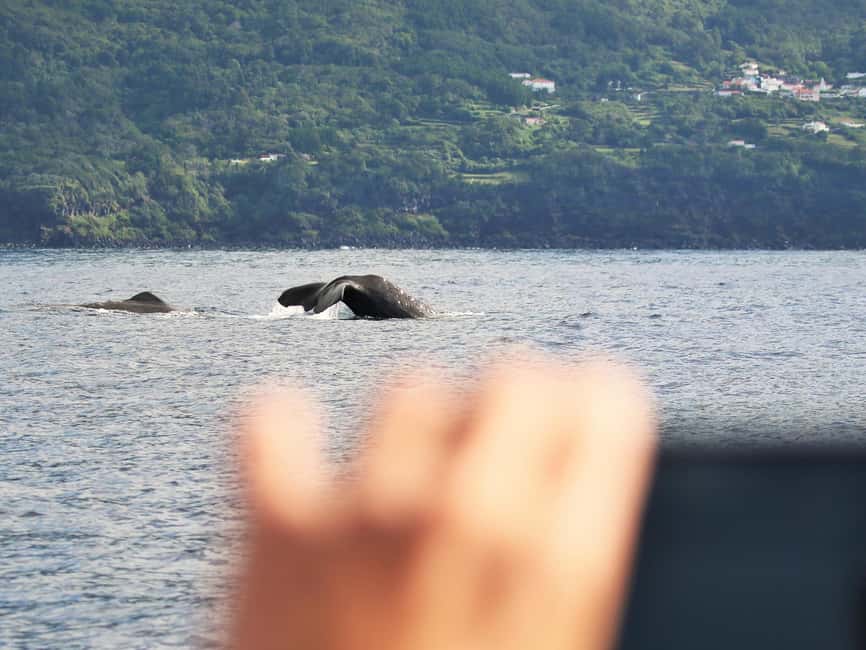
This tour works best if you’re comfortable with being outside, moving with a small boat, and waiting for wildlife. You’ll do better if you can stay patient, because wildlife does not perform on a schedule.
It’s also best suited to adults and older kids. The operator lists children under 8 as not suitable. And beyond age, it’s specifically not recommended for:
- Pregnant women
- People with back problems
- People with heart problems
- People with mobility impairments, wheelchair users
- People with recent surgeries
If you’re someone who gets sea sick easily, consider that this type of zodiac ride can trigger it fast. The operator doesn’t promise a smooth ride in every condition, so take that seriously and pack accordingly.
If you do fit the health and comfort profile, this tour is a strong choice for couples, solo travelers, and anyone who wants real marine education instead of just a quick snapshot experience.
Final Call: Should You Book Futurismo Whale Watching from Lajes do Pico?
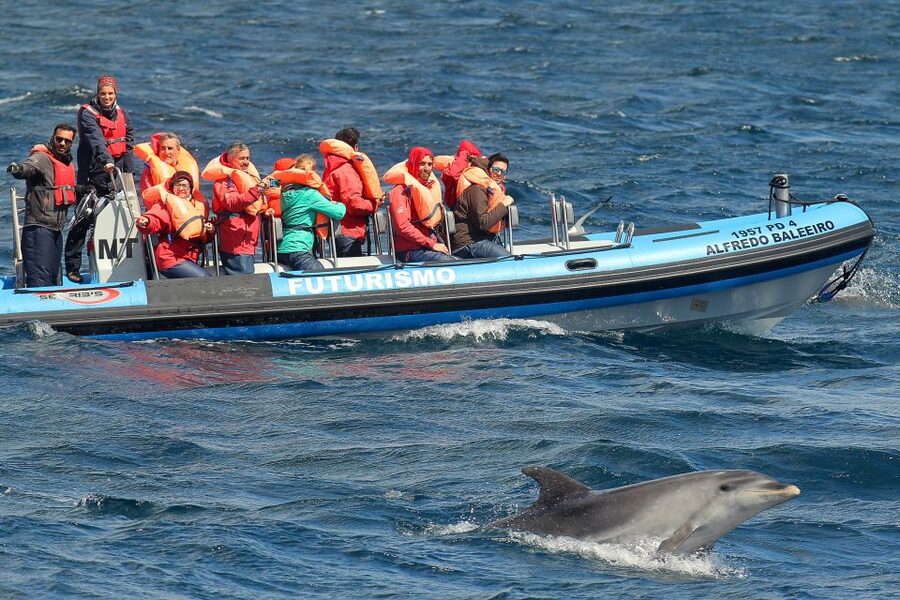
I’d book this if you want a zodiac experience with marine biologist guidance and a clear respect-first approach to whales and dolphins. The combination of pre-briefing, species-focused commentary during the cruise, and the effort to find animals away from heavy crowd pressure is the kind of setup that can turn a nice afternoon into a memorable one.
I wouldn’t book it if you’re on the edge of the operator’s listed physical restrictions, or if you know you can’t handle windy, potentially choppy conditions. This is an ocean trip, not a glassy-lake boat ride.
If you’re deciding between tours, choose this one when you can be flexible with the sea conditions and you’ll treat it like wildlife viewing, not a performance. Do that, and you’ll have the best chance of getting the kind of close, calm, awe-filled encounters people talk about when they’re still thinking about them days later.
FAQ
Where do I meet for the whale watching tour?
Meet your guide at Futurismo Azores Adventures in Lajes do Pico. You must check in at the ticket counter before the tour begins. There is a free parking lot about a 5- to 10-minute walk away.
How long is the tour, and how much time is spent on the boat?
The tour duration is 3 hours. The guided tour includes a boat cruise and whale watching for 2.75 hours.
What languages are the guides?
The tour offers live guiding in Portuguese and English.
What should I bring, and is any gear provided?
You should bring comfortable shoes, a windbreaker, sunglasses, a sun hat, sunscreen, comfortable outdoor clothing, and a waterproof bag. The tour includes a life jacket, and it provides a raincoat and pants if necessary.
What is included in the price, and what is not?
Included are the boat trip, life jacket, marine biologist guides, and the pre-tour briefing. Not included are food and drinks, and hotel pickup and drop-off.
Is this suitable for children or people with health concerns?
It is not suitable for children under 8. It is also not recommended for pregnant women, people with back problems, people with heart problems, wheelchair users, people with mobility impairments, or people with recent surgeries.
What if the weather is bad?
This activity depends on weather and sea conditions. It may be canceled or rescheduled if conditions are not suitable for operation.
Just in from around Pico Island
- Pico Wine Tour: Get to know Pico’s wines★ 5.0 · 1 review
- Pico: Dune buggy adventure★ 5.0 · 1 review
- 3H Buggy tour of Pico Island vineyards★ 5.0 · 2 reviews
- Luxury Wine Tasting at the Czar Pico Winery★ 5.0 · 2 reviews
- Pico Mountain – Group> 4★ 4.5 · 3 reviews
- Pico island: highlights, wine tasting and local gastronomy★ 4.6 · 3 reviews
Whale Watching, compared.
Whale Watching & Islet Boat Tour w/ Marine Biologist
Read our review →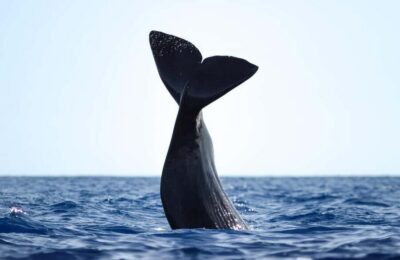

University Startup Whale and Dolphin RIB Boat Trip
Read our review →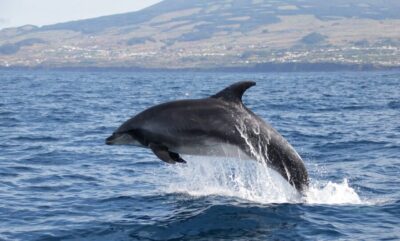
Browse the lists this tour appears in