
Reviewed · WHALE WATCHING
Horta: University Startup Whale and Dolphin RIB Boat Trip
Whales here feel close, not forced. This Horta RIB trip connects land whale spotters from Faial and Pico with a university biologist so you understand what you are seeing as the boat hunts the action.
I especially like the research angle: a marine researcher or biologist from the University of Lisbon and Azores comes on board to collect data and explain the species you have the best shot at. On some departures, you may hear from biologists such as Anna or Cristiana, who translate whale behavior into something you can actually watch for.
The trade-off is the semi-rigid RIB ride. If conditions turn choppy, you will feel it, and the trip is not recommended for severe back problems or pregnancy. Also, you can get spray, so pack with that reality in mind even though waterproof gear is provided.
In This Review
- Key things I would not miss
- Horta RIB Whale Trip, Built Around Real Spotting
- The Species List That Shapes Your Expectations
- Morning or Afternoon: What Changes on the Water
- Meeting at the Marina and the 10-Minute Safety Brief
- On-Board Science: Why the Biologist Changes the Whole Trip
- The Captain’s Search Pattern: Getting There Matters
- What You Actually See: A Realistic View of Your Chances
- Waterproof Gear, Wet Boots, and What to Bring
- Languages and Who This Tour Fits Best
- Price and Value: Is $101 Worth It for 3 Hours?
- Practical Tip: How to Maximize Your Whale Spotting
- Should You Book This Horta Whale and Dolphin RIB Trip?
Key things I would not miss
- University biologist on board for live ID and field data collection
- 2 to 3 cetacean species often seen on the same 3-hour trip
- Seasonal expectations matter: sperm whales year-round, blue and fin in spring
- Small-group RIB format (up to 16pax) for tighter viewing
- Waterproof clothes included, but you may still get wet if you sit up front
- Birdwatching is part of the hunt, not a side activity
Horta RIB Whale Trip, Built Around Real Spotting
Horta, on Faial, is a smart place to do whale watching because the islands sit in shipping lanes of life. This trip leans into that by starting with whale spotting from land on Faial and Pico. Before you ever head out, there is a briefing on what marine biodiversity to look for, including the different whale and dolphin patterns in these waters.
The other reason I like this setup is how the science shows up in the moment. A marine researcher or biologist joins you at sea, gathers information, and helps you connect names to behavior. That makes a sighting feel less like a lucky snapshot and more like a guided read of the ocean.
More whale watching in Faial Island:
- PICO Whale Watching – Madalena – Join our Research Team
★ 4.9 · 42 reviews - From Ponta Delgada: Whale and Dolphin Watching Trip
★ 4.7 · 4,109 reviews - Azores: Whale Watching & Islet Boat Tour w/ Marine Biologist
★ 4.7 · 2,945 reviews - São Miguel: Whale-Watching Cruise with Marine Biologist
★ 4.6 · 1,311 reviews
The Species List That Shapes Your Expectations
One thing I appreciate is that the trip does not sell one generic whale. The Azores waters can host a lot of animals, and the tour explains which ones are most likely when you go.
Here is what you can expect to be on the table:
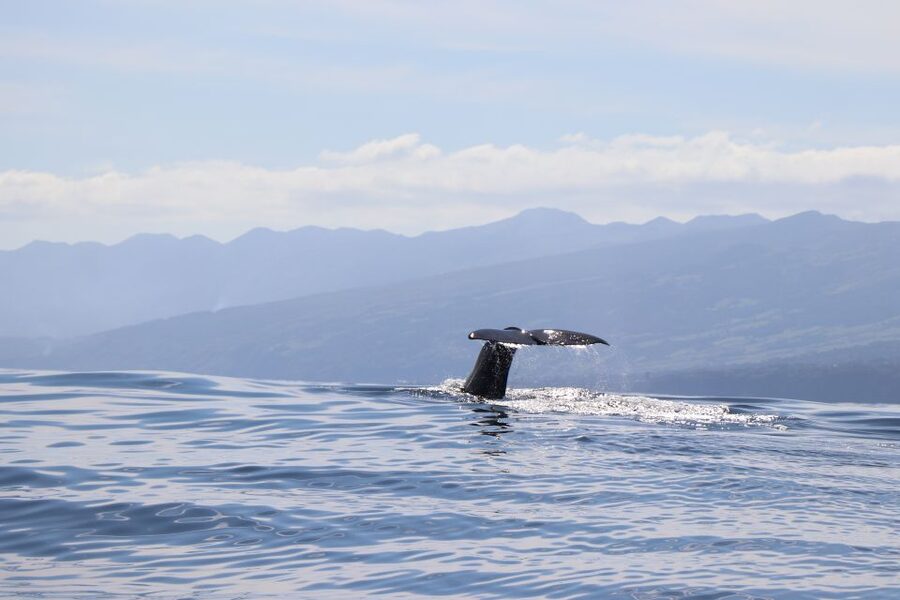
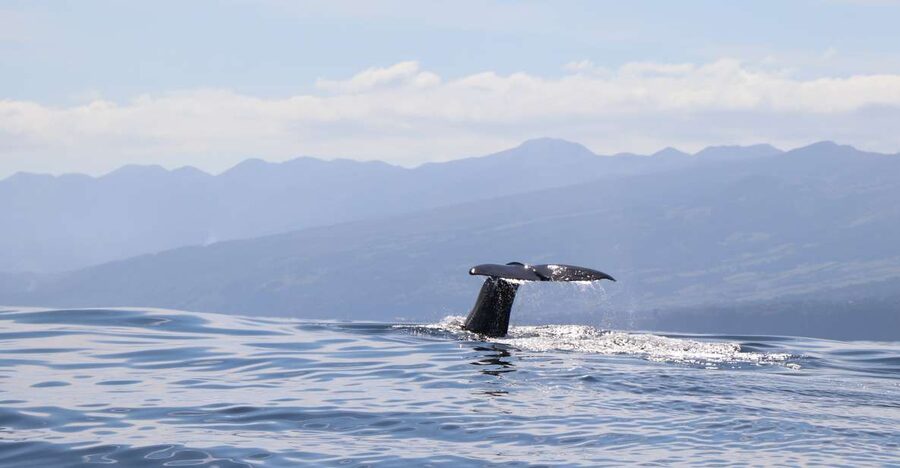
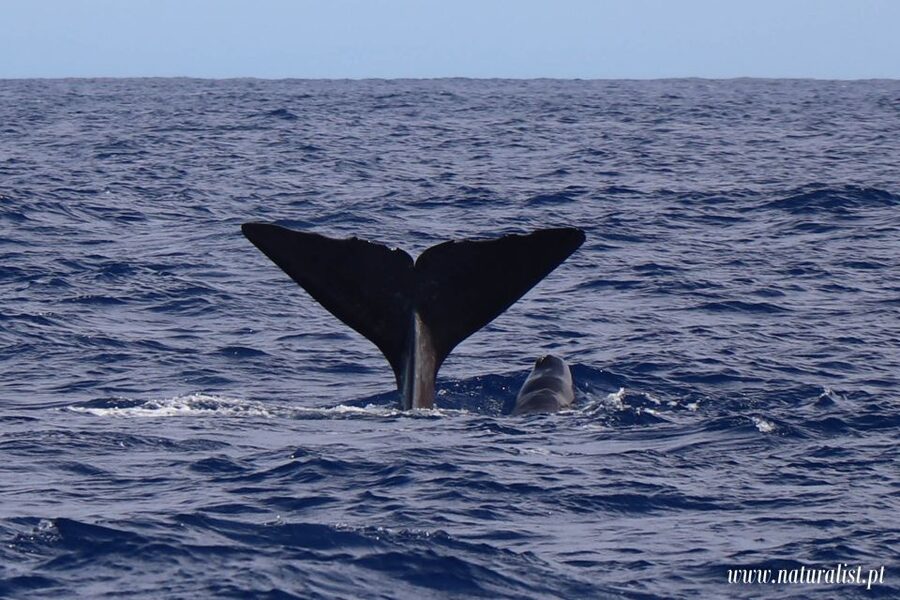
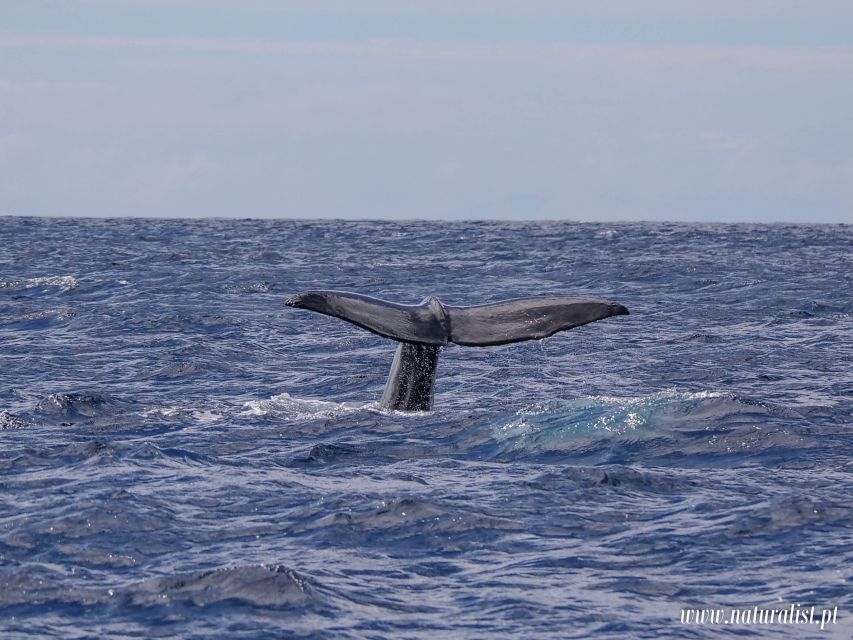
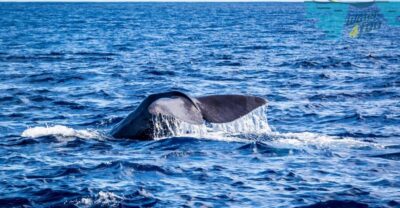
- Sperm whales stay around year-round.
- Blue and fin whales show up in spring.
- Humpback and sei whales are more migratory, with sei also possible in summer.
- Bryde’s whales can occur in summer too.
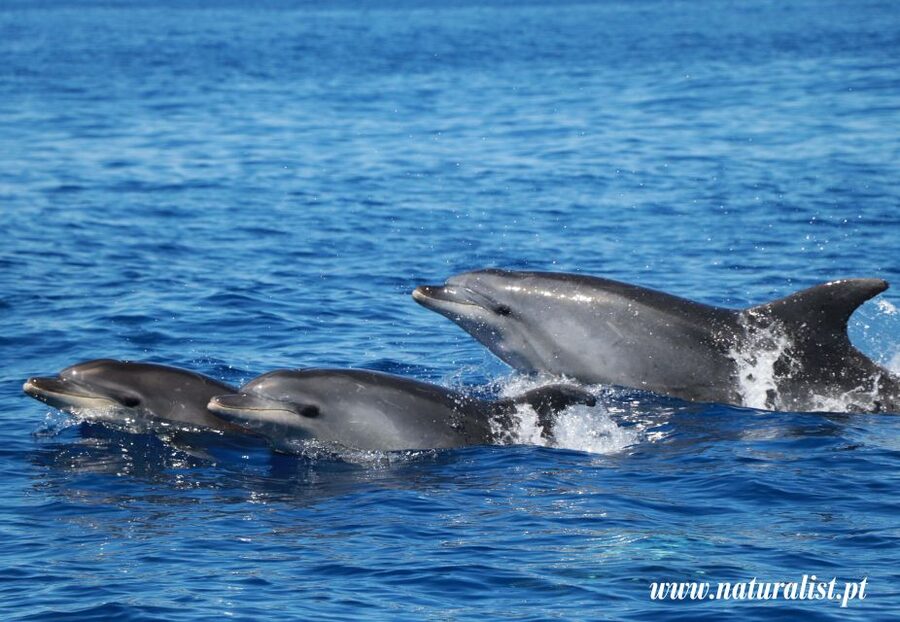
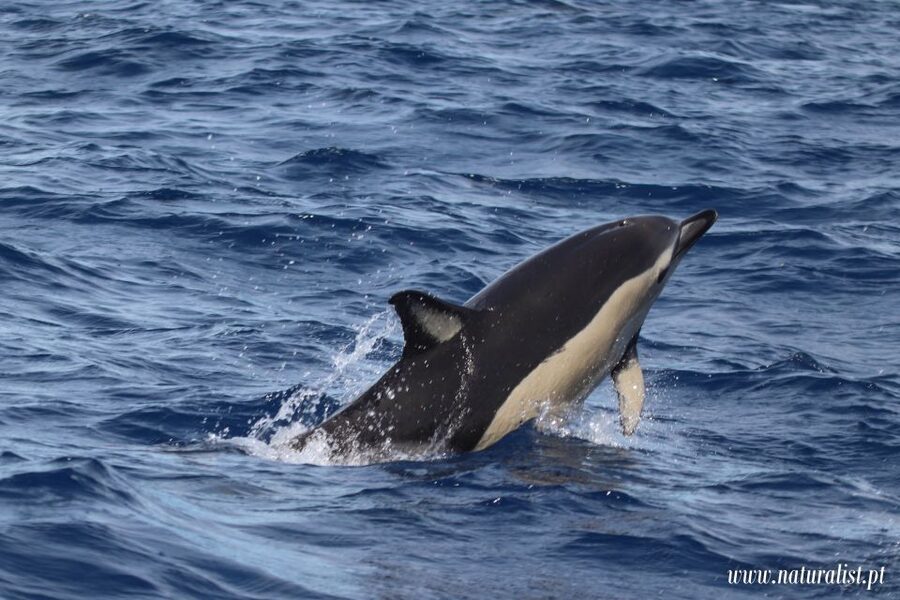
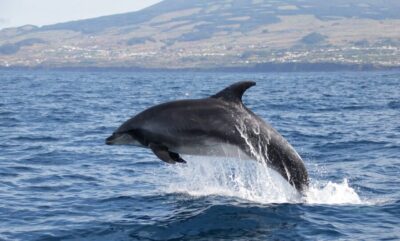
- Dolphins include bottlenose, Risso’s, and common dolphins as resident types, with many migratory dolphins also present.
On top of whales and dolphins, the boat may also encounter turtles, birds, and larger fish. Loggerhead and green turtles live in the Azores, and leatherback and kemp’s ridley can also occur. You might see flying fish, squid, and octopus. If you are lucky enough to be in the right place, even sharks and sunfish can appear, including hammerhead and blue sharks.
Birdwatching is woven into the experience. Keep an eye out for Cory’s, great shearwaters, and manx shearwaters, plus common terns and roseate terns. When birds are feeding hard, it often means the ocean is concentrating prey, and that can pull in whales and dolphins.
Morning or Afternoon: What Changes on the Water
Tours run at 09h00 and 14h00, and they average 3 hours. That timing matters because wildlife is not on a schedule, but you can still make small choices that fit your day.
If you like calm starts, the morning departure is a nice fit. If you want to sleep in or you have other island plans, the afternoon trip can work equally well. Either way, you are following the same reality: the boat and the spotters adjust based on what they find from land and what you see once you are out there.
Because the tour depends on weather conditions, be ready for the fact that the captain may change where you go to keep sightings as likely as possible.
Meeting at the Marina and the 10-Minute Safety Brief
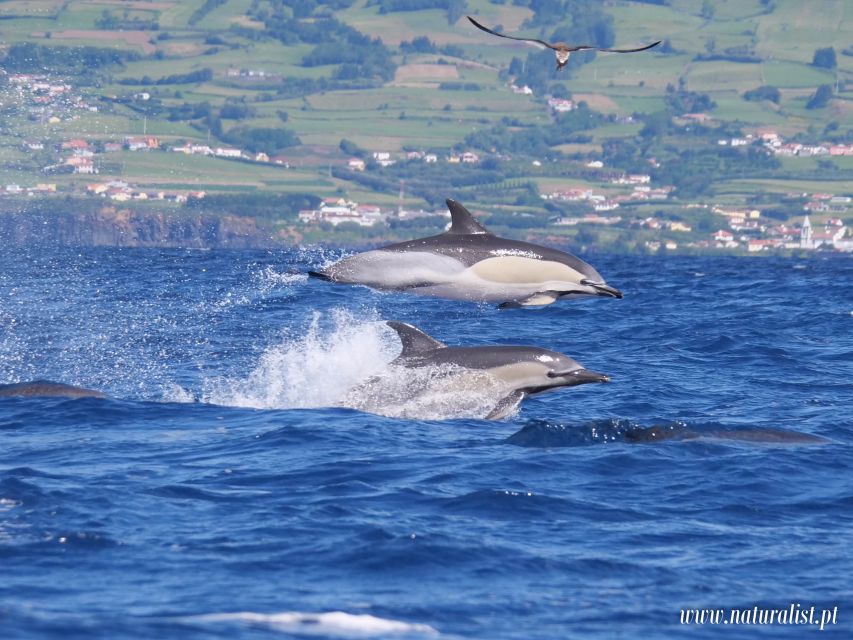
You meet at Naturalist – Science & Tourism Whale Watching in the marina. Arrive about 15 minutes early, so you are settled and not rushed. There is a short safety briefing, around 10 minutes, and it is worth paying attention. RIBs move fast, and you will want to know how the crew expects you to sit and hold yourself steady.
After that, the trip shifts into guided mode. You get a photo stop, then you move into dolphin watching, marine life viewing, scenic views from the water, and the main whale watching time. One chunk of this viewing is about 30 minutes, but the overall hunt continues within the 3-hour window.
This is not a long cruise where you sit and hope. It is an active search, with the goal of getting you into the right area when whales, dolphins, turtles, or birds show up.
On-Board Science: Why the Biologist Changes the Whole Trip
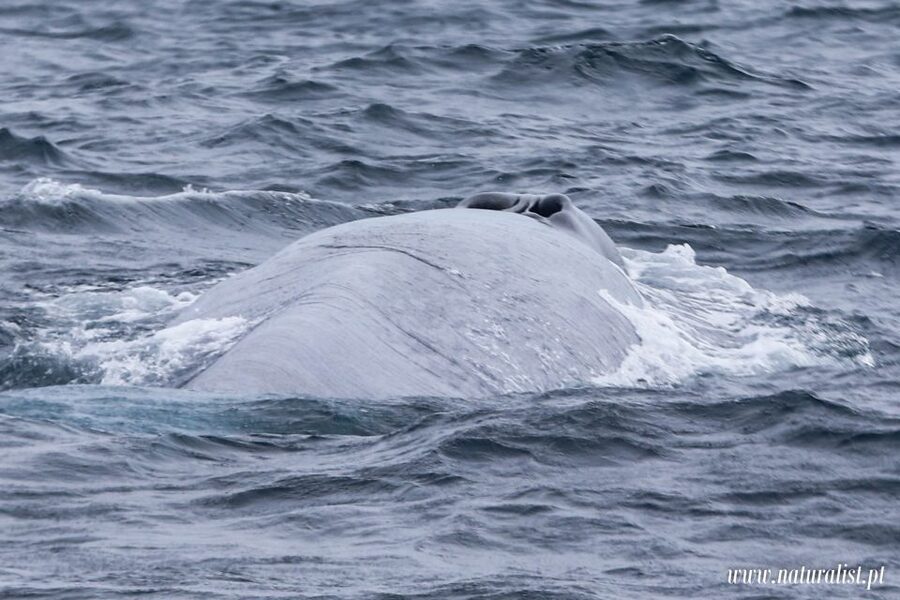
A huge part of the value is that the tour is not just about the animals, it is about learning how to read them. The marine researcher or biologist comes on board to collect data and provide up-to-date information on marine life in the region.
In plain terms, that means:
- You learn what you are looking at, not just the species name.
- You get behavior cues, like how feeding often draws in multiple animals.
- You understand why certain whales and dolphins might be present on your day and not another.
On some departures, the crew also shares photos taken during the trip after you return. That can be a nice bonus when the sea is moving and your own phone camera is struggling.
More dolphin watching in Faial Island:
The Captain’s Search Pattern: Getting There Matters
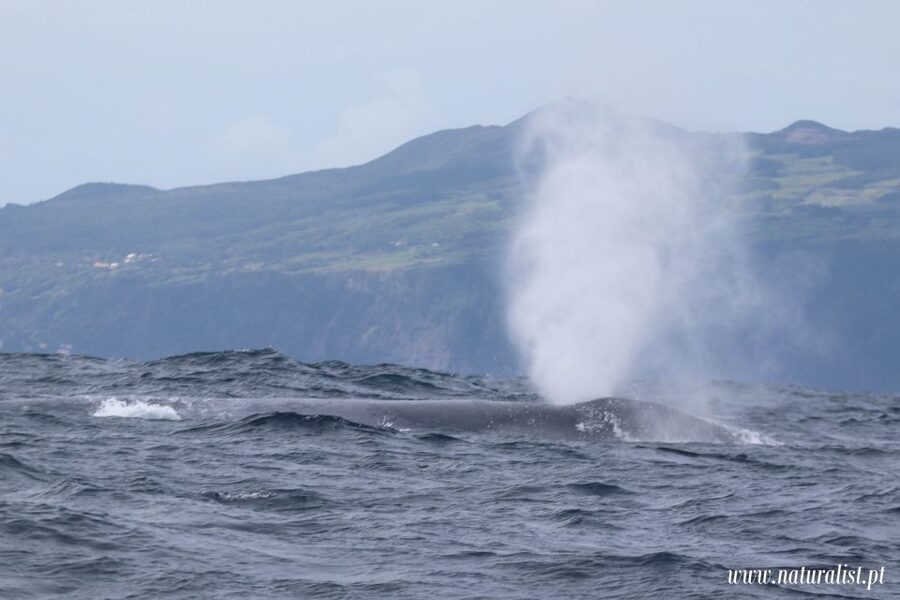
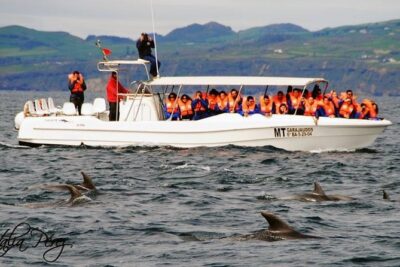
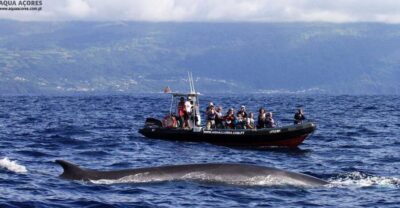
Small details make a difference in whale watching, and this tour is set up for that. The boat is a RIB with room for up to 16pax, which keeps viewing tighter than big-boat operations. One trip even ran with a smaller group size, around 11 people, and the vibe felt easier for listening and spotting.
You should also expect repositioning if the action moves. In past departures, the captain has moved to different areas to improve the odds, even after waiting. That is exactly what you want to see, because whales and dolphins can change location quickly.
And the driving matters. Some seas are smooth, some are not. You might feel the ride more if you sit at the front, and you could get wet. Waterproof clothing is included, and that helps a lot. Still, pack for spray. Water-resistant shoes or shoes that dry quickly can save you from a miserable walk back.
What You Actually See: A Realistic View of Your Chances
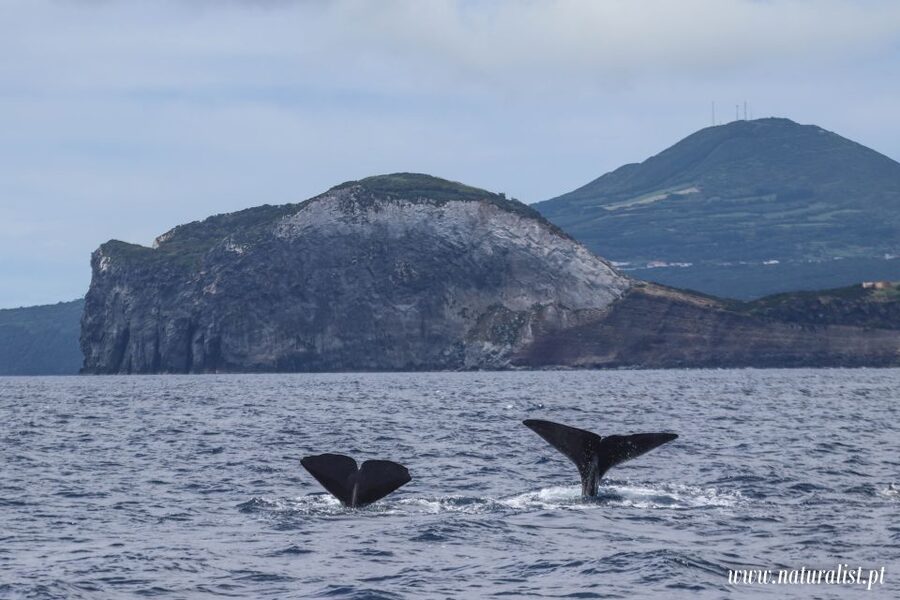
Most of the time, you are not just picking one target. The tour describes that normally 2 to 3 different cetacean species are observed per trip, with seasonal patterns like sperm whales year-round and blue and fin in spring. That matches what people often want from a whale trip: variety, not a single lucky moment.
Still, nature keeps the final vote. One previous departure ended without whales sighted during that run. That is the reality of marine wildlife, and the good news is the tour still sets you up to observe other life, like dolphins, turtles, sharks, and seabirds, plus the guided wildlife viewing and photo stops.
A practical way to manage your expectations is this: you are going for the full ecosystem experience. If whales show up, great. If they do not, your odds improve if you stay alert for dolphins, birds, and turtles, because those often indicate productive water where whales can appear too.
Waterproof Gear, Wet Boots, and What to Bring
The tour includes waterproof clothes and safety insurance, so you are not starting from scratch. That is a big deal, because rougher weather can turn a whale trip into an uncomfortable one fast.
Even with gear included, I recommend thinking like this:
- Bring shoes that handle spray and still feel okay when wet.
- Wear layers you can adjust.
- Bring a dry layer in your bag for after.
If you get colder than you expect, the crew has sometimes provided hot tea and lemon cookies after the ride. That is not something to count on every time, but it is a smart reminder that you will likely be out in maritime weather.
Languages and Who This Tour Fits Best
The tour runs in English and Portuguese. French is available only if requested in advance and if there is availability, so plan your language needs early.
This experience is not suitable for everyone. It is not recommended for children under 5, and it is not recommended for pregnancy, severe back problems, or people with recent surgeries. If any of those apply, you should skip this specific style of RIB trip and look for a more gentle option.
If you are generally comfortable on boats, and you want a mix of whales, dolphins, turtles, and seabirds with real science on board, this is a strong match.
Price and Value: Is $101 Worth It for 3 Hours?
At $101 per person for about 3 hours, this is not a cheap activity. But it is also not just a boat ride. Your ticket includes:
- A marine researcher or biologist from the University of Lisbon and Azores
- A tour briefing about marine biodiversity and cetaceans
- Waterproof clothes
- Safety insurance
- A guided experience focused on wildlife viewing
When you compare that to basic whale tours that do not include expert interpretation or gear, the price starts to make more sense. You are paying for a smaller-group RIB format plus the human element of field biology that helps you actually understand what you are seeing. The included waterproof clothing also reduces the cost and hassle of preparing for wet, windy Azores conditions.
The main thing not included is food and drinks. So plan to eat before you go, or bring what you need to stay comfortable.
Practical Tip: How to Maximize Your Whale Spotting
If I were advising you as your trip buddy, I would do three things:
- Arrive early enough to get briefed calmly, not rushed.
- Dress for spray even if the forecast looks decent, because the water can change fast.
- Treat birds as signals. When shearwaters and terns are active, prey often is too, and the whales and dolphins may follow.
Also, when the biologist talks, stay locked in. The best viewing gets better when you know what behavior to look for, like feeding patterns and movement cues.
Should You Book This Horta Whale and Dolphin RIB Trip?
I think you should book if you want a science-forward whale watching outing with a small boat, tight timing, and real interpretation on board. The strongest reasons to go are the university biologist presence, the focus on multiple species, and the guided bird and marine life watching that rounds out the trip even if whales are elusive on a particular day.
I would not book if you are pregnant, have severe back problems, or have recently had surgery, because the semi-rigid ride and sea motion are not recommended. Also skip if you cannot handle getting wet, since spray is possible even with waterproof gear.
If you are flexible with weather and you like the idea of chasing wildlife with guidance, this is a high-value, very Azores-style adventure from Horta.
More Boat Tours in Faial Island
- Azores Sailing Yacht Charter and Liveaboard Expeditions
★ 5.0 · 1 review - São Miguel: Glass Bottom Boat Tour with Snorkeling
★ 4.7 · 633 reviews - Vila Franca Islet: Bioligist Guided 0% Carbon e-Boat Tour
★ 4.6 · 420 reviews - Glass Bottom Boat Tour & Snorkeling in São Miguel, Azores
★ 5.0 · 250 reviews
Just in from around Faial Island
- Faial Island: Half Day Premium Tour (for groups up to 8 people)★ 5.0 · 1 review
- Private hike along the Levada★ 5.0 · 1 review
- Azores Sailing Yacht Charter and Liveaboard Expeditions★ 5.0 · 1 review
- Customizable Full Day Private Tour of Faial★ 5.0 · 2 reviews
- Private Half-Day Hike around the Caldeira★ 5.0 · 2 reviews
- Exploring Faial Full Day 4WD Tour★ 5.0 · 3 reviews
Whale Watching, compared.
Whale Watching & Islet Boat Tour w/ Marine Biologist
Read our review →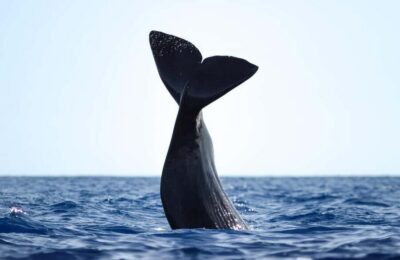
Browse the lists this tour appears in