
Reviewed · WHALE WATCHING
PICO Whale Watching – Madalena – Join our Research Team
Whales off Pico feel close and real. I really like two things about this tour: the live marine biologist commentary and the fact that it supports an actual research effort tied to student theses. The mix of whales, dolphins, birds, and other pelagic life is the kind of Azores wildlife moment you remember. One possible drawback is the weather dependent nature of boat time, plus the semi-rigid boat ride can feel long for people who do not love sitting offshore.
If you want your marine time to be more than just spotting, this is a strong pick. You are on the water with an MSc or PhD marine biologist, plus a researcher collecting data, so you get both the nature lesson and the “why we are here” context. You will also hear what species are most likely in different seasons, so the trip feels like a field day, not a random search.
In This Review
- Key highlights to zero in on
- A 3-hour science style whale watch that is still fun
- Getting set up in Madalena Harbour, Pico Island
- What happens once you are out on the water
- The wildlife you might spot: whales, dolphins, sea birds, and more
- Whales and seasonal expectations
- Dolphins and bird activity
- The marine biologist part is the real value
- Respectful viewing and why distance matters
- Seasonal odds vs. real-world reality
- Boat comfort, seasickness, and who should skip this
- What to bring so you are not stuck wishing
- Price and value: what your $101 is really buying
- Who this tour fits best
- Should you book PICO Whale Watching with the research team?
- FAQ
- How long is the whale watching tour?
- Where do I meet for the tour?
- Who guides the tour on the boat?
- What animals can I expect to see?
- What languages are spoken during the tour?
- Is the tour weather dependent?
- What should I bring with me?
- Is food and drinks included?
- Is this tour suitable for pregnancy or serious back problems?
- Is there free cancellation?
- Are there age limits for children?
Key highlights to zero in on
- Marine biologist on board gives real-time explanations in English and Portuguese
- Research supported by a university researcher collecting data for studies
- Seasonal whale odds include sperm whales year-round, blue and common in spring, Bryde’s and Sei in summer
- 2 to 3 cetacean species chance on many tours, since the region has 25+ species
- Wildlife approach matters with guidance that focuses on animal wellbeing and keeping distance
- Semi-rigid boat limits mean this is not a fit for everyone, especially if you get seasick
A 3-hour science style whale watch that is still fun
This is not the kind of whale tour where you just sit, scan, and hope. You are out with a team that treats sightings like information, and that changes the whole tone. On a good day, you are learning while you are looking, so every callout feels purposeful. The result is a tour that feels both relaxed and instructive, the kind that makes you understand what you are seeing instead of just filming it.
The time is also straightforward. The whole experience runs about 3 hours, with roughly 2.5 hours of actual whale watching time on the water. That matters because whale watching can drag when it turns into a long grind. Here, the structure keeps the trip moving, and you still get time to watch birds and other marine life in the same session.
More whale watching in Faial Island:
- Horta: University Startup Whale and Dolphin RIB Boat Trip
★ 4.9 · 225 reviews - From Ponta Delgada: Whale and Dolphin Watching Trip
★ 4.7 · 4,109 reviews - Azores: Whale Watching & Islet Boat Tour w/ Marine Biologist
★ 4.7 · 2,945 reviews - São Miguel: Whale-Watching Cruise with Marine Biologist
★ 4.6 · 1,311 reviews
Getting set up in Madalena Harbour, Pico Island
You meet in Madalena Harbour on Pico Island, outside the Ferry Terminal Café, facing Faial. It is a practical meeting point because you are already in the right harbor area for a day on the Atlantic. From there, you board the boat and start the briefing and expedition portion.
One logistics thing to keep in mind: you may hear your intro and learn the science during the overall trip flow rather than only on land. In one case, an introduction happened away from the main land base, and that meant there was less chance to ask questions after the activity ended. It is not a deal breaker, but it is worth planning how you want to ask questions. If you have specific species questions, write them down before you go so you can ask while the biologist is right there.
What happens once you are out on the water
After boarding, you get a briefing about marine biodiversity and the cetaceans that occur in the region. Then the tour shifts into active scanning and species identification. You are not just told “there are whales here.” You are told what to look for and why it matters.
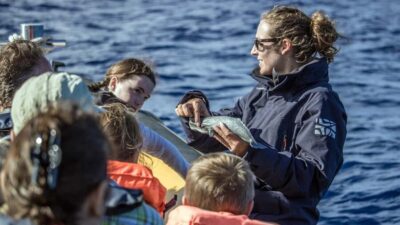
Your tour team includes an MSc or PhD marine biologist, and a researcher connected with a university partner who is on board to collect data. That means the boat session has a “research rhythm.” You will likely hear the latest on what the animals are doing and why certain sightings are important for studies tied to student theses.
Then you watch. The region is known for a large number of cetacean species, and the tour is designed around the realistic chance to see multiple types during your outing. The goal is not just one lucky splash. It is the bigger picture of what species are present and how they overlap.
The wildlife you might spot: whales, dolphins, sea birds, and more
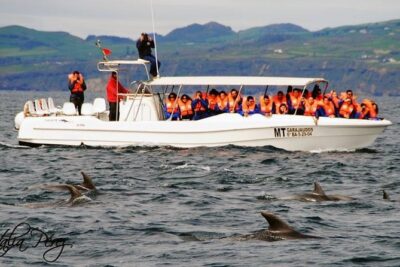
Here is the key promise: you are likely to spot 2 to 3 species of cetaceans on each tour. With more than 25 species of cetaceans in the region, sightings are not guaranteed, but the odds are strong that you will see more than one kind of animal if conditions cooperate.
Whales and seasonal expectations
You can plan around seasonal likelihoods:
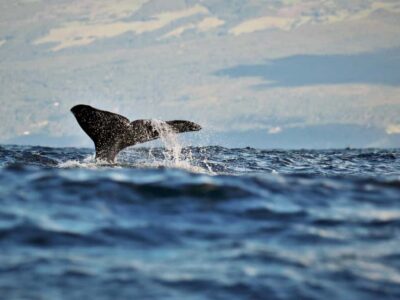
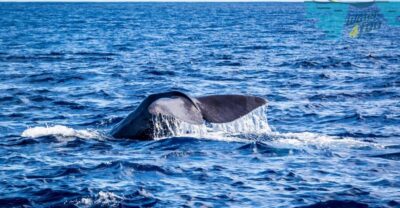
- Sperm whales are cited as possible throughout the year
- Blue and common whales are noted for spring
- Bryde’s and Sei whales are associated with summer
That season talk is genuinely useful. Even if you cannot predict your exact species, knowing the seasonal range helps you interpret what you are seeing. It also helps you avoid the disappointment of expecting a specific whale type every single day.
More on Faial:
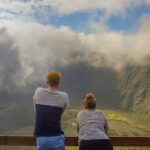


Dolphins and bird activity
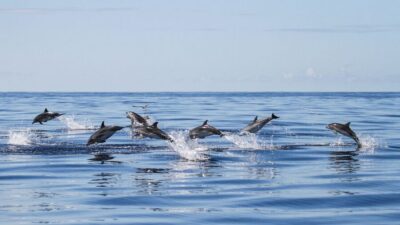
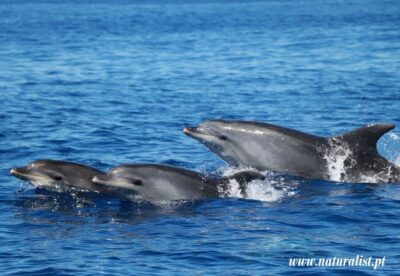
Dolphins are part of the standard expectation, and you may see resident dolphins rather than only migrants. Birds also come into play. The tour experience includes the opportunity to spot seabirds while you are scanning for mammals, which often makes the whole horizon feel alive even when whale surfaces are spaced out.
In practice, dolphins can be the animals that keep you engaged. One trip experience described dolphins playing nearby for a long stretch, which is the kind of moment that makes the Atlantic feel friendly. You also may see other marine life if conditions align, since the expedition focuses on a broader picture of pelagic life and marine biodiversity.
The marine biologist part is the real value
Plenty of whale watching tours claim education. This one is built around it. You are joining a research team, so the explanation is connected to real observational goals. The marine biologist provides live commentary, and it is usually specific enough that you can follow along without needing a science degree.
What I like about this structure is that it turns identification into a story. Instead of only “there it is,” you get context like why the animal is where it is, how species behavior ties into the broader marine ecosystem, and what the research team is trying to document.
The tone from past trips also points to a guide who stays engaged and answers questions. People highlighted that the guides explained details of species and that the team stayed respectful in how they approached wildlife. That respect is not a feel-good add-on. It directly affects the quality of your viewing, because animals need space to move naturally.
Respectful viewing and why distance matters
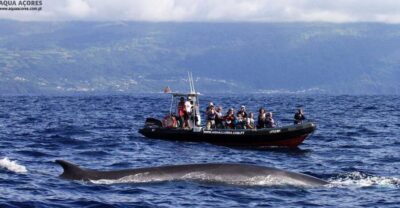
One of the best-reviewed parts of this kind of trip is the way the boat handles encounters. You are guided to approach responsibly, with distance and space for the animals to keep moving and breathing normally. That approach is good science, and it is good ethics.
It also affects your experience in a simple way. When animals are not stressed or forced into awkward angles, you tend to get more natural behavior. That can mean more time watching how they feed, travel, or surface, instead of only catching a quick view and then watching them disappear.
In one account, the emphasis on keeping a needed gap helped make the whole experience feel calm and intentional. Even when the animals are close enough to feel thrilling, the focus stays on wellbeing and respectful observation.
Seasonal odds vs. real-world reality
This tour gives you clear seasonal expectations, but the ocean is still the ocean. Visibility, swell, wind, and animal movement all change what you get to see on a given day. Weather can also impact the route and the timing, and the operator notes that the activity is weather dependent.
What you can control is your mindset. If you go expecting only one species, you are setting yourself up for stress. If you go ready to enjoy multiple species and interpret what you see with the biologist’s help, you will get more out of the day even if one species is missing.
Also, some outings can run longer if conditions require it. One experience described an extension beyond the usual time and noted that sitting on the boat became uncomfortable after that longer stretch. That is a reminder to dress for comfort and plan for the ride length, not only the schedule on paper.
Boat comfort, seasickness, and who should skip this
This expedition uses a semi-rigid boat. That can be great for maneuvering and stability, but it also means you should take comfort limits seriously.
It is not recommended for:
- pregnant women
- people with serious back problems
- people who are prone to seasickness
You also should not bring young kids. It is not recommended for children under 4 years old.
If you are on the fence, think honestly about your body, not your courage. If you know you get sick on boats, you will not “power through” just because you are in the Azores. Bring what helps you tolerate waves, and choose day clothing that does not trap heat when the wind picks up.
What to bring so you are not stuck wishing
The tour is simple, but you need the basics for an Atlantic outing:
- Hat
- Camera
- Sunscreen
- Water
- Comfortable clothes
I also suggest layers. Even when the sun is out, ocean wind can cool you down quickly. If you tend to run cold or you do not like getting damp, plan for that. In at least one trip, rain suits were provided, which is the kind of small detail that makes a big difference if weather shifts.
Price and value: what your $101 is really buying
At $101 per person for about 3 hours, this is not the cheapest option in the region, but it is also not priced like a private charter. The value comes from what is included.
You get:
- the 3-hour boat trip
- live commentary by a marine biologist
- the chance to see whales, dolphins, and birds
You are not paying just for time on the water. You are paying for expert interpretation plus an expedition tied to research support and data collection. That is what makes this tour feel more grounded and less like a repetitive route.
What is not included is food and drinks, so plan to bring water and snacks if you need them. The focus is clearly on the marine experience, not a catering stop. If you expect a meal to be part of your ticket, you will be disappointed.
Who this tour fits best
This is a great match if you want:
- a whale watch with science and species identification built in
- a responsible approach to animal viewing
- a realistic chance of multiple cetacean sightings
- a tour that feels connected to conservation and research
It is less suitable if you want a totally easy, couch-like ride, if you are pregnant, if your back needs special care, or if seasickness is a known issue for you.
Families should note the minimum age guidance. Younger kids may not be a good fit due to the boat conditions.
Should you book PICO Whale Watching with the research team?
Book it if you care about understanding what you see, and you like tours that feel intentional rather than random. The marine biologist component and the research setting are the big reasons to choose this over a generic whale spotting cruise. The odds are also a plus, with the region’s diversity giving you a real chance at more than one species.
Skip it, or choose another option, if you know you cannot handle rougher boat conditions, or if your body has restrictions that make semi-rigid boat rides difficult. Also, accept that the ocean controls the schedule. If you are flexible about weather and open to learning while you watch, this trip can be a standout Azores day.
FAQ
How long is the whale watching tour?
The tour lasts about 3 hours, with around 2.5 hours of whale watching time.
Where do I meet for the tour?
Meet in Madalena Harbour, Pico Island, outside the Ferry Terminal Café, facing Faial (GPS: 38.5356, -28.5295).
Who guides the tour on the boat?
You join a marine biologist, described as an MSc or PhD marine biologist, and a university researcher may also be on board to collect data.
What animals can I expect to see?
The experience focuses on whales, dolphins, birds, and it also involves other marine life such as sea turtles and pelagic life as part of the research observation.
What languages are spoken during the tour?
Live commentary is available in English and Portuguese.
Is the tour weather dependent?
Yes. It is weather dependent and may be rescheduled due to weather conditions.
What should I bring with me?
Bring a hat, camera, sunscreen, water, and comfortable clothes.
Is food and drinks included?
No. Food and drinks are not included.
Is this tour suitable for pregnancy or serious back problems?
No. It is not recommended for pregnant women or for people with serious back problems.
Is there free cancellation?
There is free cancellation up to 24 hours in advance for a full refund.
Are there age limits for children?
It is not recommended for children under 4 years old. Child prices are reduced, but you should contact the operator for details.
Just in from around Faial Island
- Faial Island: Half Day Premium Tour (for groups up to 8 people)★ 5.0 · 1 review
- Private hike along the Levada★ 5.0 · 1 review
- Azores Sailing Yacht Charter and Liveaboard Expeditions★ 5.0 · 1 review
- Customizable Full Day Private Tour of Faial★ 5.0 · 2 reviews
- Private Half-Day Hike around the Caldeira★ 5.0 · 2 reviews
- Exploring Faial Full Day 4WD Tour★ 5.0 · 3 reviews
Whale Watching, compared.
Whale Watching & Islet Boat Tour w/ Marine Biologist
Read our review →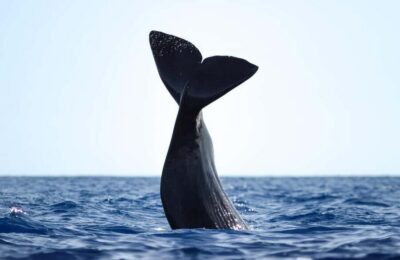
University Startup Whale and Dolphin RIB Boat Trip
Read our review →Browse the lists this tour appears in