
Reviewed · MOUNT PICO CLIMBS
Pico Mountain Climb: Portugal’s Highest Point – 2351 meters
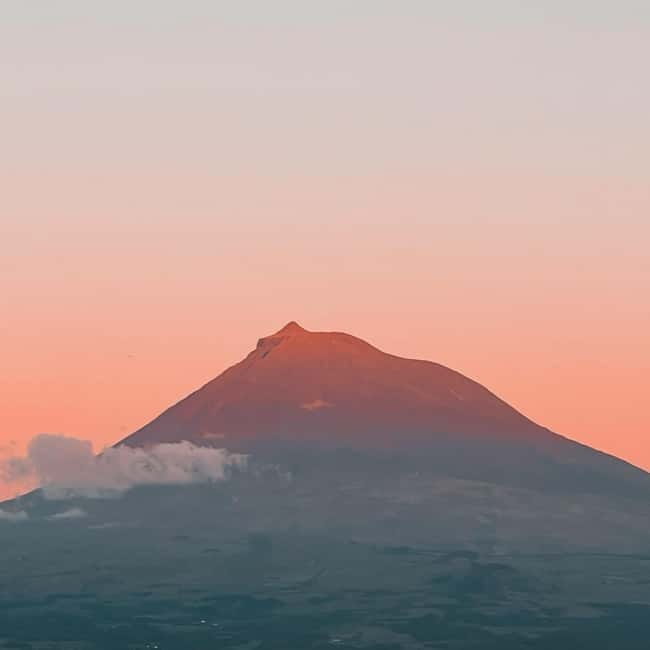
Pico feels like stepping into volcano time. This hike to Portugal’s highest point on Pico Island mixes serious views with a clear, guided route up to the volcano crater and lava cone. You get a safe ascent plan, plus time built in for photos and that heady summit feeling that makes the hard parts worth it.
I love how professional guides manage the pace and the tricky spots. When the weather shifts, you’re not guessing, and names keep coming up in the experiences I’ve gathered, like guides Isabel and Raisa, plus Pedro for people who really wanted the climb to feel under control. I also like that you’re set up for the summit moment with included photos and videos, and even free coffee near the top.
The main drawback is the effort level, especially on the way down. The terrain is steep in places (an average slope around 30 percent), loose rock and uneven ground can slow you, and the descent is often the most intense part, so be honest about your fitness and leg stamina.
In This Review
- Key things that make this Pico hike special
- Why Pico Mountain feels like more than a normal hike
- Meet at the Mountain House, then get your safety game plan
- Viewpoint break first, then the Mount Pico Natural Reserve start
- The secret stop and why the trail changes near the top
- Crater rest, then the lava cone climb to 2351 meters
- Descending on volcanic rock is where many people feel it
- What’s included, and why $93 can be good value
- What to pack and wear on Pico
- Who this hike suits, and who should skip it
- Timing, weather, and how to set expectations
- Should you book the Pico Mountain Climb?
- FAQ
- How high is Pico Mountain on this climb?
- How long is the tour?
- Where do I meet the guide?
- What is included in the price?
- What should I bring for the hike?
- Are meals and drinks included?
- Is this hike suitable for children?
Key things that make this Pico hike special
- Portugal’s highest point (2351 meters), reached via a guided route with safety checks and equipment help
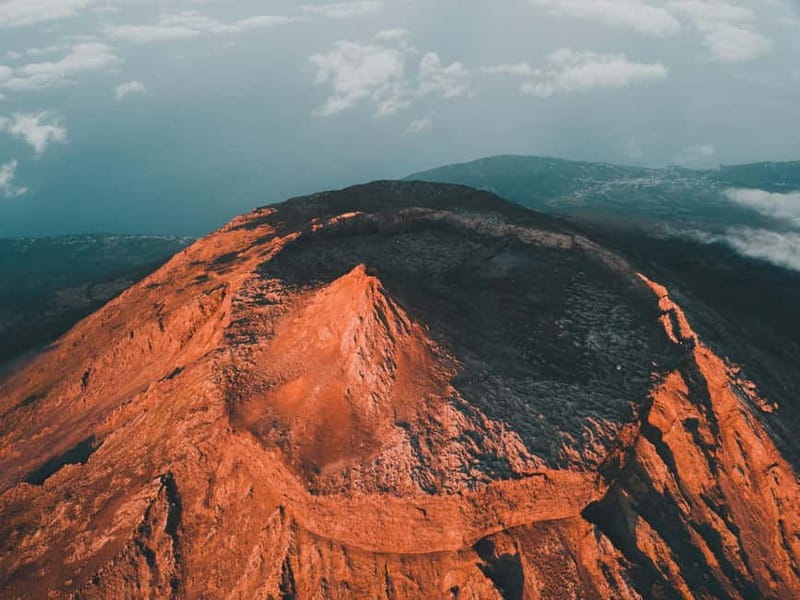
- A true volcano experience, including a crater rest area and fumaroles on the lava cone
- Steep volcanic terrain on a route built on volcanic rock, with the hardest sections near the top
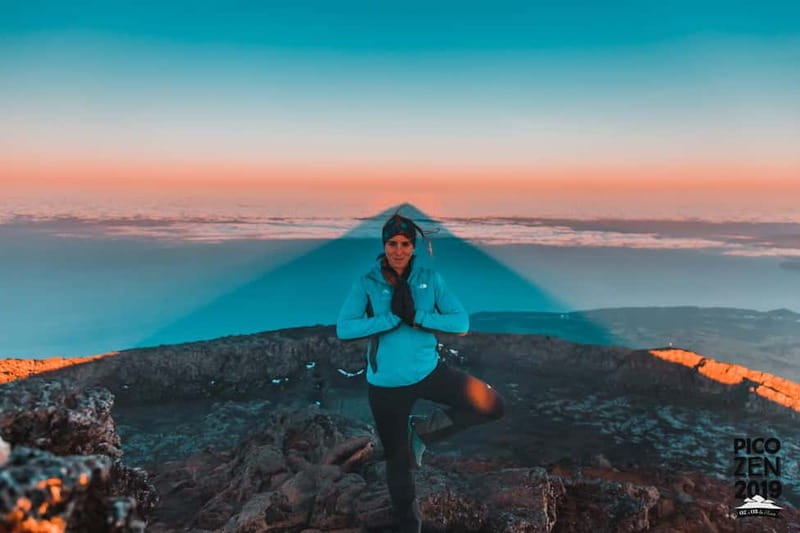
- Summit perks that matter, like free coffee and the guide capturing photos and videos
- Downhill navigation support, especially useful if fog or low visibility shows up
Why Pico Mountain feels like more than a normal hike
Pico Mountain is not just another viewpoint hike. You’re climbing to 2351 meters, which is the highest elevation in Portugal, and the setting is unmistakably volcanic, with features that make the mountain feel alive. You’ll hike through changing ground, then pause near the crater before pushing up the lava cone. That sequence matters because it builds anticipation, not just endurance.
The best part is that the tour treats the volcano like what it is: a place where you need attention. You’re on volcanic rock, you’ll deal with uneven patches, and loose stones can pop underfoot. The guide’s job is to keep you moving with the right rhythm and to call out the places where concentration matters most. That’s why people consistently praise guides like Isabel and Raisa, and why Pedro is mentioned when someone wants a more motivating, steady climb.
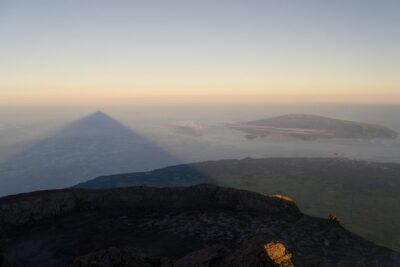
And yes, the views are the payoff. On clear days, you may see across the Azores islands from the top. Even if visibility is less perfect, you’ll still get a sense of why Pico is such a big deal here: it’s big, it’s dramatic, and you’re at the top of the whole story.
Other ways up Mount Pico:
- Pico Mountain Climb: Your Path to Portugal’s Highest Point
★ 5.0 · 204 reviews - Pico Mountain: Climb the Highest Point of Portugal 2351m
★ 5.0 · 187 reviews - Mount Pico Guided Climb – Summit Portugal’s Highest Peak
★ 5.0 · 172 reviews - Mount Pico Night Climb – Reach the Summit for a Magical Sunrise
★ 5.0 · 111 reviews
Meet at the Mountain House, then get your safety game plan
Your day starts at Mountain House in Madalena, where you check in and your guide meets you. Before you start hiking, there’s a short safety briefing and an equipment check, around 10 minutes. This is one of those not-sexy details that makes a difference. It helps you understand how to handle the trail, where to be careful, and what the day’s timing really means.
You’ll also get walking sticks for comfort and safety. If you’re not used to hiking with them, the early part of the hike is a good time to try. They’ll feel like a small thing until the descent, when your quads will start bargaining with gravity.
Language support is practical too. The tour runs with guides who can speak Portuguese, English, Italian, Spanish, and French. That matters if you want clear instructions about footing and pacing, not just a tour that’s happening around you.
Viewpoint break first, then the Mount Pico Natural Reserve start
After the briefing, you’ll move toward an early viewpoint stop for a short break and a quick photo moment. This first pause is useful because it lets you settle your breathing before you enter the longer hiking stretch. It’s also a reminder that this hike is about more than the final meters.
Then the climb begins through the Mount Pico Natural Reserve. Expect about 1.5 hours of guided hiking on the reserve route. In the beginning, conditions tend to feel more manageable, which gives you a chance to find your pace and your footing. The trail is about 8 kilometers long overall, and the route gradually becomes harder as you get closer to the summit. That gradual build is smart, because it’s easier to adapt your effort than to go from calm strolling to steep scrambling without warning.
One practical thing to watch for early is unevenness. Loose rocks can appear in patches, so don’t assume you can stomp your way through. Instead, keep your attention on each step, especially when the ground shifts from one texture to another.
The secret stop and why the trail changes near the top
Midway through the day, you’ll have a secret stop with a break and another photo opportunity. This isn’t just a filler. It’s timed so you can reset before the harder segments stack up.
As you work deeper into the natural reserve route, the terrain demands more. You’ll still be guided the whole way, but you’ll feel the slope, and you’ll likely notice that the most challenging sections show up closer to the summit. The tour route is built on volcanic rock with an average slope around 30 percent, which translates to a climb that feels like real effort, not a casual walk.
From a comfort perspective, this is where the walking sticks earn their keep. They take some load off your legs and help you keep balance when the surface gets rough. If you tend to rush when you’re eager to reach the top, this is the moment to slow down. Rushing is how you end up slipping, or how your legs tire too early.
Crater rest, then the lava cone climb to 2351 meters
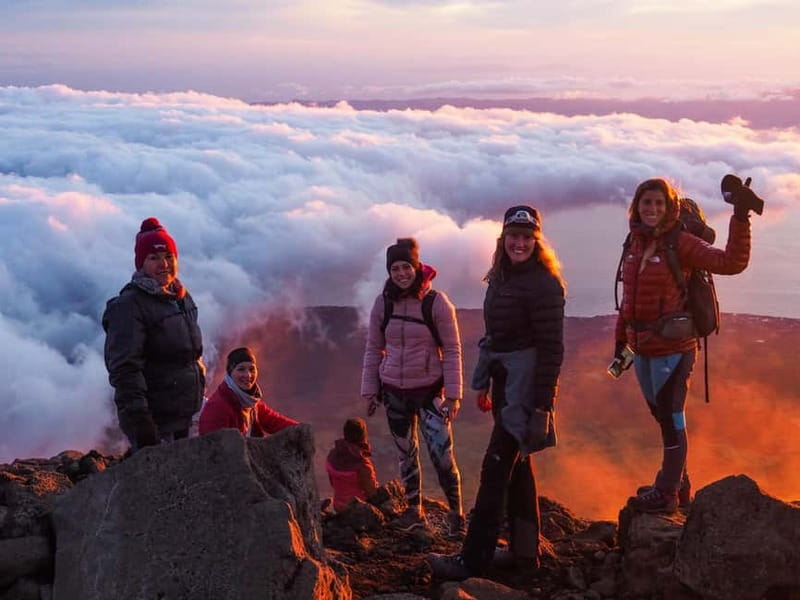
There’s a special moment built into the schedule: time to rest in the volcano crater near the top. This is where anticipation turns into action. You’re close enough that it feels possible, but you’re not at the final work yet. Breathing feels different at altitude, and the whole scene shifts from effort to focus.
Then you’ll attack the summit by climbing the lava cone. This is where the volcano details hit hard. You’ll see fumaroles, and they’re a reminder that you’re standing in the active story of Pico’s geology. The tour is designed so you don’t just pass through this area quickly. You get time to take in the scene, think about what it means, and make your photos count.
Free coffee near the summit is another detail worth planning for. It’s not a meal, but it helps you pause and reset before the descent. If you’ve been managing your pace carefully, this is a good time to let the experience land instead of treating it like a checklist.
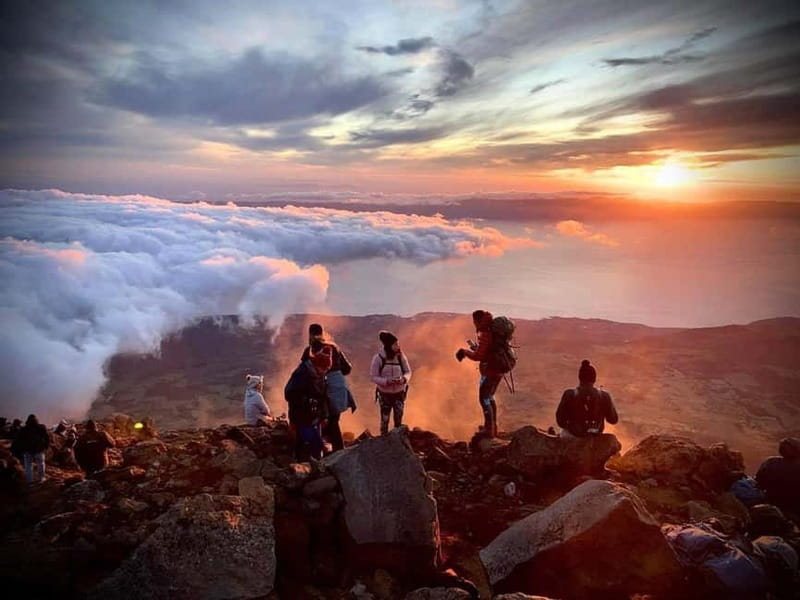
And if conditions are good, the panoramic views can be a real wow. One account I’ve seen talks about seeing multiple islands on a clear day. Even without perfect visibility, you’ll still get a strong sense of scale, because you’re literally looking out from Portugal’s highest point.
More on Pico:

Descending on volcanic rock is where many people feel it
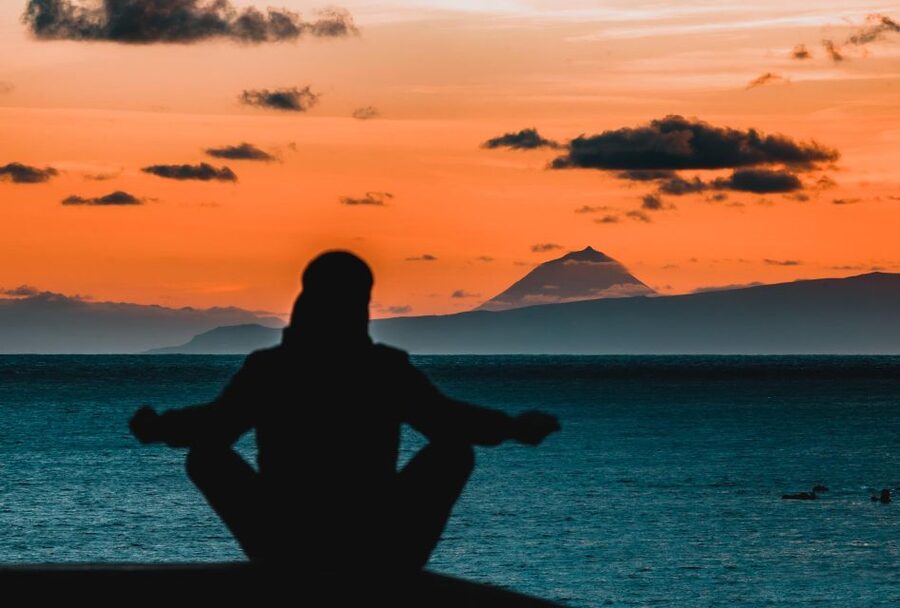
The descent is where most people feel the day. You still hike back down on volcanic rock, often with fewer stops so your legs stay active. That approach keeps the day moving, but it also means you need to be ready for a steep, demanding downhill.
The slope and unevenness don’t magically disappear on the way down. In fact, some sections can feel more intense because your legs are absorbing impact rather than powering you upward. Loose rocks and uneven ground can be more distracting when you’re tired, and fatigue changes how you place your feet.
Fog is also a factor in the Azores. If visibility drops, the value of a guide becomes obvious fast. One of the reasons people recommend booking with a guide is that it reduces the chance of getting confused when the trail is harder to see. It’s not about bravery. It’s about smart guidance when the conditions aren’t cooperative.
If you want a simple personal strategy, focus on short steps, keep your knees aligned, and use your sticks like brakes. Your goal is control, not speed.
What’s included, and why $93 can be good value
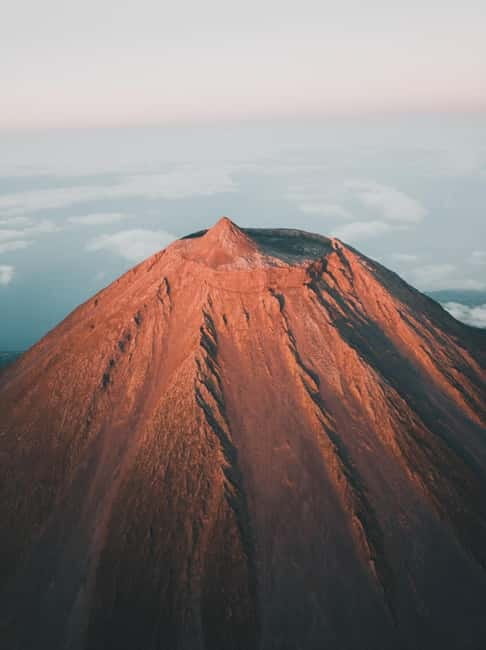
The price is $93 per person for a 7-hour guided hike, and the value is mostly in what you’re getting without extra hassle.
Included items that matter:
- Professional guide throughout (not just at the start)
- Personal accident insurance
- Photos and videos taken for you
- Walking sticks provided
- All applicable fees and taxes
That “photos and videos” part is a real perk. Pico is the kind of place where you’ll want solid summit shots, but it’s hard to reliably get them yourself while also managing gear and footing. Guides tend to know where to stand, when to shoot, and how to keep the group moving without turning it into a chaotic photo line.
Accident insurance is also a quiet confidence builder. You’re doing a serious climb on steep volcanic terrain, so having that coverage included is a practical plus.
Meals and drinks are not included, so budget for snacks you bring. The tour includes free coffee near the top, but you’ll still want water and something small for energy before and during the hike.
What to pack and wear on Pico
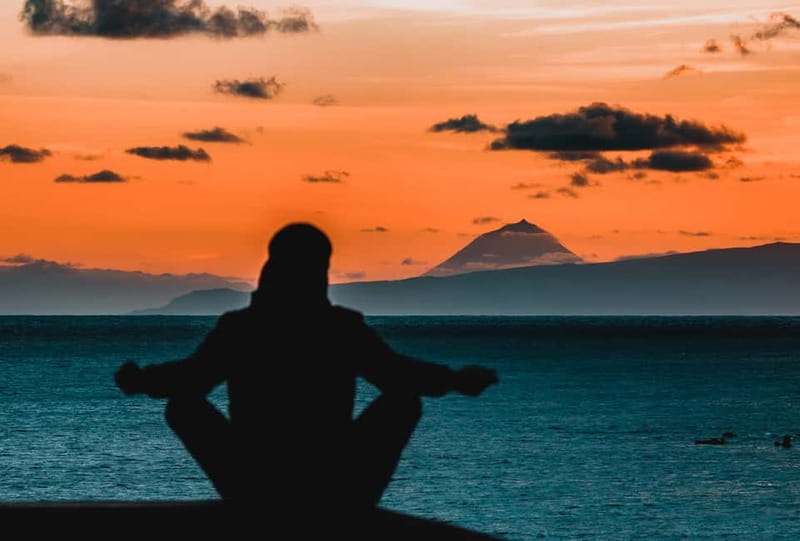
Bring warm clothing. Even if the start feels comfortable, higher elevations and windy conditions can change fast. Pack weather-appropriate layers and keep it simple.
You should bring:
- Hiking shoes
- Water
- Snacks
- Warm clothing
- Weather-appropriate clothing (layers work best)
Footwear rules are strict, and they’re there for safety. High heels are not allowed, open-toed shoes are not allowed, and sports shoes are not allowed. Pets aren’t allowed either, though assistance dogs are allowed.
These rules might feel annoying in the moment, but they help keep the group safe on uneven volcanic rock. If your shoes are slippery or too soft, you’ll feel it during the steep parts, especially on the descent.
Who this hike suits, and who should skip it
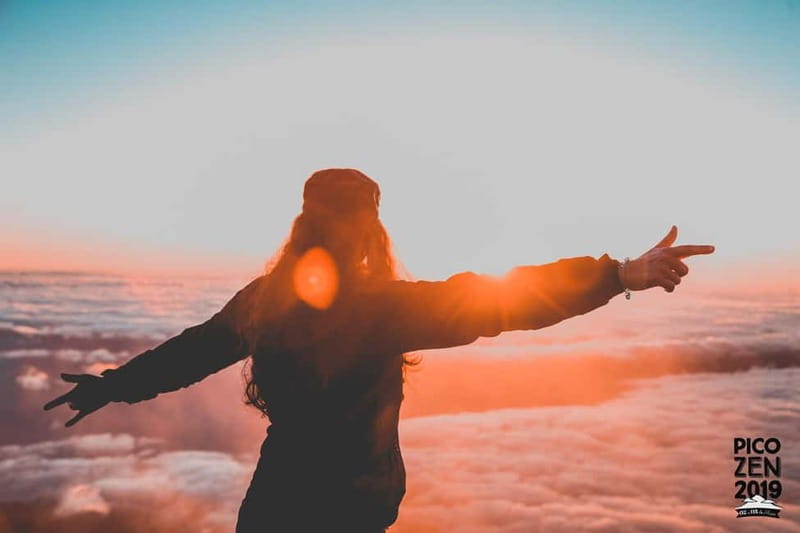
This climb is not for everyone, and the limits are clear.
It’s not suitable for:
- Children under 12
- Pregnant women
- People with back problems
- People with mobility impairments, wheelchair users
- People with low level of fitness
- People over 70
That’s not about being picky. It’s about the reality of a steep, rocky, volcanic route where you need stable footing and leg strength. The climb is doable for many hikers, but it still demands attention and stamina.
On the flip side, it’s a great match if you’re a reasonably fit adult who wants an iconic Azores experience with real guidance. Solo travelers can do well here because the guide manages pacing and keeps the group together. Couples also like it because you both get the summit moment, and the included photos reduce the awkward solo-photo scramble.
Timing, weather, and how to set expectations
Pico weather can change, and fog can roll in, especially around the upper areas. That’s one reason I think a guided route is worth it. Without a guide, visibility changes can turn a steep hike into a stressful one. With a guide, you get practical route guidance and a pacing plan.
If you can, pick a day with the best forecasted visibility and wind conditions. One example I’ve seen from late November points to perfect weather and barely any other climbers on the mountain, which made the experience feel especially smooth. That kind of day is gold, but even on less ideal days, the structure of the tour helps you keep moving safely and with confidence.
Should you book the Pico Mountain Climb?
Book it if you want:
- A guided ascent to Portugal’s highest point with real volcano features
- Clear safety briefing and route guidance on steep volcanic terrain
- Included photos and videos, plus free coffee near the summit
- A day that ends with a strong sense of accomplishment, not just a walk to a viewpoint
Consider skipping or choosing a different activity if:
- You know downhill terrain wrecks your knees or legs
- Your fitness level is low for steep hikes
- You fall into the tour’s listed non-suitable categories, like mobility impairments, back problems, or pregnancy
If your legs are willing and you like the idea of standing at 2351 meters with fumaroles in front of you, this is one of the most memorable ways to experience the Azores.
FAQ
How high is Pico Mountain on this climb?
You hike to the summit of Pico Mountain at 2351 meters.
How long is the tour?
The experience lasts about 7 hours.
Where do I meet the guide?
Check in with staff at the Mountain House in Madalena, where your guide will be waiting.
What is included in the price?
The tour includes all applicable fees and taxes, personal accident insurance, photos and videos, an experienced professional guide, and walking sticks.
What should I bring for the hike?
Bring warm clothing, hiking shoes, snacks, and water, plus weather-appropriate clothing.
Are meals and drinks included?
No. Meals and drinks are not included.
Is this hike suitable for children?
No. It is not suitable for children under 12 years old.
Just in from around Pico Island
- Pico Wine Tour: Get to know Pico’s wines★ 5.0 · 1 review
- Pico: Dune buggy adventure★ 5.0 · 1 review
- 3H Buggy tour of Pico Island vineyards★ 5.0 · 2 reviews
- Luxury Wine Tasting at the Czar Pico Winery★ 5.0 · 2 reviews
- Pico Mountain – Group> 4★ 4.5 · 3 reviews
- Pico island: highlights, wine tasting and local gastronomy★ 4.6 · 3 reviews
Mount Pico Climbs, compared.
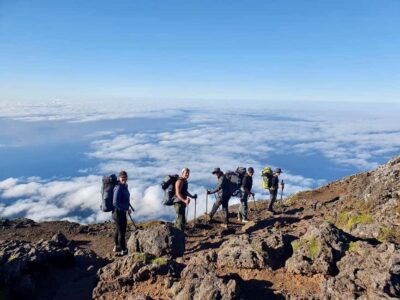
Pico Mountain Climb: Your Path to Portugal’s Highest Point
Read our review →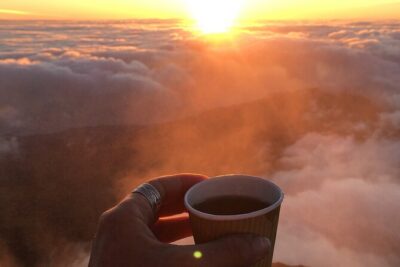
Pico Mountain: Climb the Highest Point of Portugal 2351m
Read our review →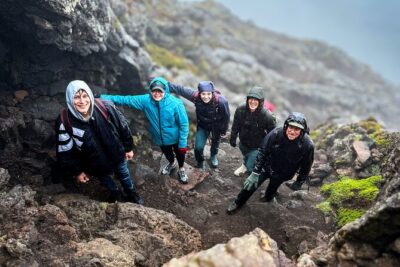
Mount Pico Guided Climb – Summit Portugal’s Highest Peak
Read our review →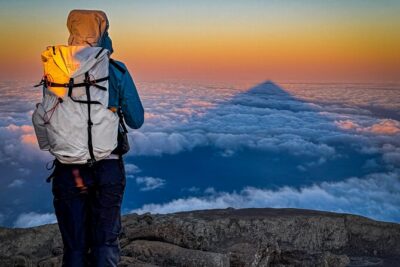
Mount Pico Night Climb – Reach the Summit for a Magical Sunrise
Read our review →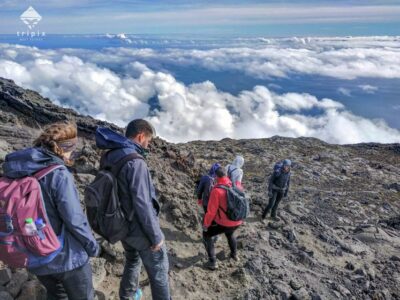
Pico Mountain Climbing private tour – with round trip from Faial
Read our review →
Browse the lists this tour appears in