
Reviewed · MOUNT PICO CLIMBS
Mount Pico Night Climb – Reach the Summit for a Magical Sunrise
Two o’clock turns into mountain magic. The Mount Pico night climb takes you up Portugal’s highest peak in the Azores, so you can earn the payoff of a summit sunrise you cannot fake. It is a tough, early-morning adventure with real mountain conditions and a guide who helps you stay steady in the dark.
I love how this is run for a small group, with certified Pico guides leading the way. I also love that you get key support gear, including a headlight and hiking poles, plus the reserve access fee and insurance.
The one drawback: this is not a casual walk. Night on Pico can be physically demanding, and the descent can feel harder than the climb, especially if you are not used to uneven volcanic trails.
In This Review
- Key Things to Know Before You Go
- Pico Mountain at Night: What Makes This Feel Different
- Your Sunrise Goal: Reaching the Top Before Morning Fully Arrives
- Certified Guides and the Small Group Advantage
- Gear That’s Included, and What You Must Bring
- The Route Rhythm: How Your Day Unfolds from 2:00 am
- Before the climb: arriving early enough to mentally load up
- The ascent toward Montanha do Pico
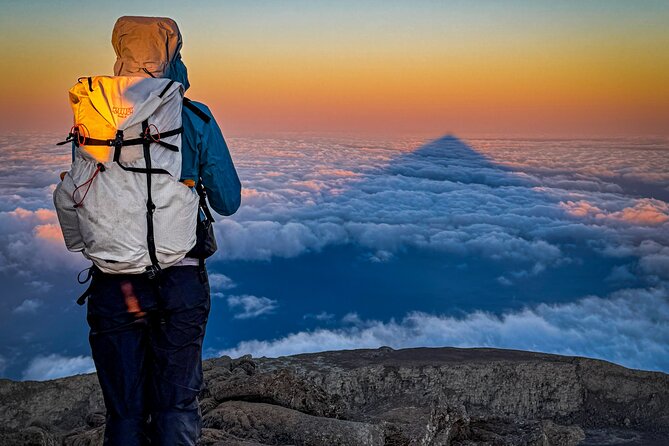
- The summit moment: sunrise from the highest point
- Coming back down
- Difficulty Level, Fitness, and Real Expectations
- Why Poles Matter More Than You Think
- The Guide Experience You’ll Remember: Matteo and Bruno
- Weather, Safety, and the Reality of Non-Refund Rules
- Price and Value: Is $145.12 Worth It?
- Who This Tour Is For (and Who Should Think Twice)
- Should You Book the Mount Pico Night Climb?
- FAQ
- What time does the Mount Pico night climb start?
- How long is the hike?
- What’s included in the price?
- Is there a limit on group size?
- What do I need to bring or wear?
- Are there any health or activity restrictions before the climb?
- What happens if weather is bad?
Key Things to Know Before You Go
- Small group size (up to 8 people) keeps the pace and safety more controlled.
- 2:00 am start sets you up for sunrise from the highest point.
- Certified Pico Mountain guides help with route confidence in darkness and technical sections.
- Included headlight and hiking poles take away major gear headaches.
- Multiple guide-led breaks give you a rhythm, not just a nonstop march.
- Descent is the real test, so your legs will feel it, even if you reach the top feeling strong.
Pico Mountain at Night: What Makes This Feel Different
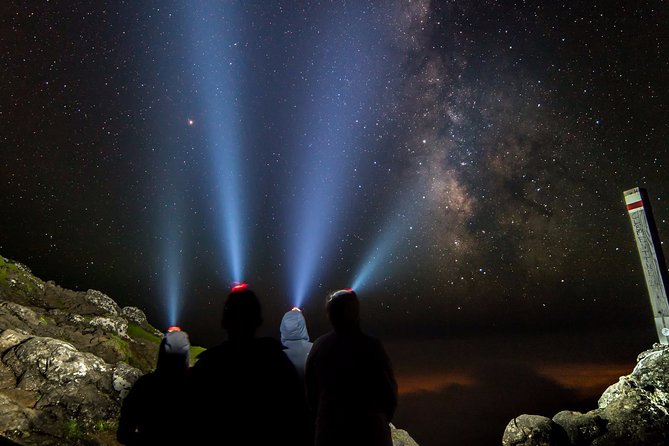
A sunrise hike sounds romantic. A night sunrise hike on Pico feels real. You start in the dark, with a headlight beam cutting through wind and rock, and you climb without the usual crutch of seeing exactly where the summit line is.
The mountain itself matters. Pico Mountain reaches 2351 meters, and it is the highest mountain in Portugal. That altitude change, plus the volcanic terrain, is why your body learns faster than your plans do. The good news is that you are not climbing alone. Certified guides lead your group, and in the process you get more than directions. You get pacing, encouragement, and practical safety reminders when the ground gets sketchy.
You’ll also notice the vibe shift as the sky lightens. In several climbs, people reported seeing an impressive night sky, even with shooting stars. That means your climb is not only about getting to the top. It is also about the atmosphere changing around you as the time to sunrise approaches.
Other ways up Mount Pico:
- Pico Mountain: Climb the Highest Point of Portugal 2351m
★ 5.0 · 187 reviews - Mount Pico Guided Climb – Summit Portugal’s Highest Peak
★ 5.0 · 172 reviews - Adventure by buggy in Mount Pico
★ 5.0 · 8 reviews - Pico Mountain – Group> 4
★ 4.5 · 3 reviews
Your Sunrise Goal: Reaching the Top Before Morning Fully Arrives
The core promise of this activity is simple: reach Pico Mountain for the sunrise. The best part is how the climb builds toward it. When you start before dawn, the summit is just a concept. As you gain elevation, the guides keep moving you forward in manageable sections, so the sunrise becomes something you can actually work toward.
From a timing standpoint, expect a long day. The hike runs about 10 hours. One climber described starting around 2:30 am, reaching the top around 7:00 am, and then returning later that morning. Your exact times can vary with weather, trail conditions, and group pacing, but the takeaway is consistent: this is a full early-day effort.
Also, do not underestimate the mental payoff. Even very experienced hikers say this sort of night effort gets under your skin. The summit sunrise is the moment you remember later, but the steps you take in the dark are what make it earned.
Certified Guides and the Small Group Advantage
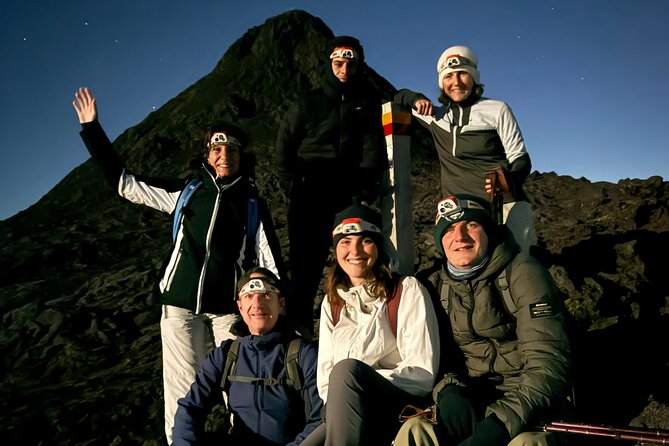
This is guided mountaineering, not a meet-at-the-trailhead situation. You are led by a professional, certified Pico Mountain guide. In actual experience with this type of climb, the guide’s job is threefold:
- keep the route clear and safe in darkness
- manage pacing so people do not blow up early
- watch the group on uneven sections and during the descent
The guide names people often mention include Matteo and Bruno. In multiple reports, their style shows up as patient, encouraging, and very focused on safety. One person shared that if they were struggling, the guide would adapt by guiding from behind, staying with them through tougher sections, and making sure they finished safely.
That kind of hands-on leadership matters in a night climb. It is not about being brave. It is about being supported while your balance changes with fatigue and altitude.
And with a maximum of 8 travelers, you get fewer bottlenecks on the trail. That matters when visibility is limited, and when some sections demand careful foot placement.
Gear That’s Included, and What You Must Bring
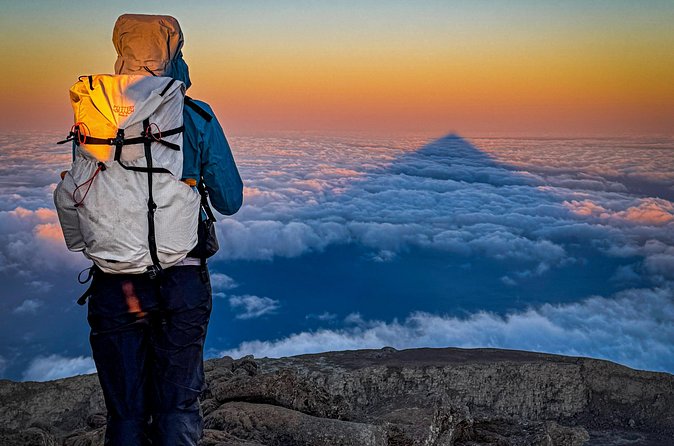
Let’s talk gear in a practical way. This climb includes:
- an individual headlight
- hiking poles (walking sticks)
- the Pico Natural Reserve access fee
- Allianz personal accident insurance
- a climbing certificate of achievement
- professional certified guide services
That list covers the big trip-stoppers. Headlight and poles are not optional if you want a smoother experience. Insurance also helps you feel less stressed about what is, by nature, a physical activity with uneven terrain.
Now the strict part: you must show up with proper mountain boots and equipment suitable for the activity. If you do not meet the requirement, you may be excluded from the climb without a refund. So check your shoes honestly. The night start plus volcanic rock plus descent means footwear quality is not a detail.
Also, avoid anything that could affect your body in the hours before. You should not have gone diving within 24 hours before the climb. If you have medical conditions or restrictions, you must tell the provider ahead of time, including issues like heart problems, asthma, diabetes, pregnancy, vertigo, or lower-limb problems.
The Route Rhythm: How Your Day Unfolds from 2:00 am
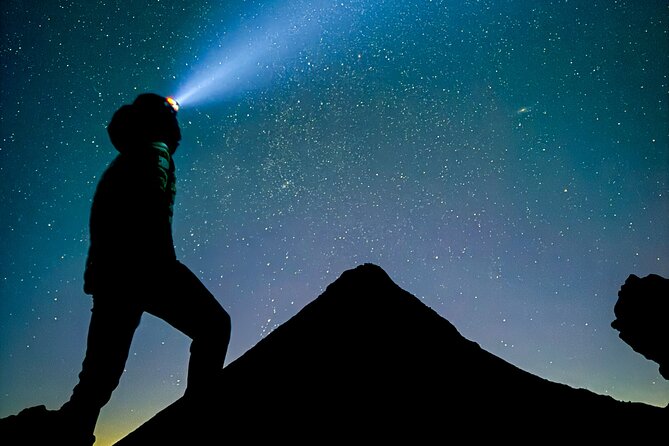
The official start is 2:00 am, and the meeting point is Mountain House, Caminho Florestal nº 9, Candelária, 9950-000 Madalena, Portugal. The hike ends back at the same meeting point.
Even though there is no long menu of stops to check off, the day still has phases. Here is how to think about them.
More Pico trips timed for the sunset:


Before the climb: arriving early enough to mentally load up
At 2:00 am, the goal is not to be wide awake at first light. The goal is to be ready to move. You will want to be punctual and organized with your layers and footwear. Once you start hiking, there is little time for improvising.
If you take the guide’s pre-hike instructions seriously, you’ll feel calmer. One review explicitly said to read and follow the PDF they send out before the hike. That is good advice for any mountain plan, but it is extra important when timing and terrain are demanding.
The ascent toward Montanha do Pico
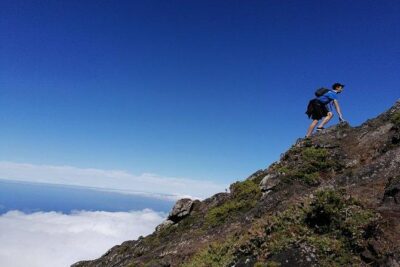
Your climb centers on Pico Mountain and passes through the Montanha do Pico area. In practice, you can expect irregular volcanic terrain, with technical sections. That is part of what makes the difficulty rating medium to high for the night option.
The guides create a rhythm with breaks. One climber described around six or seven breaks on the climb. You should treat those breaks as part of your pacing strategy, not as an excuse to rest too long.
The summit moment: sunrise from the highest point
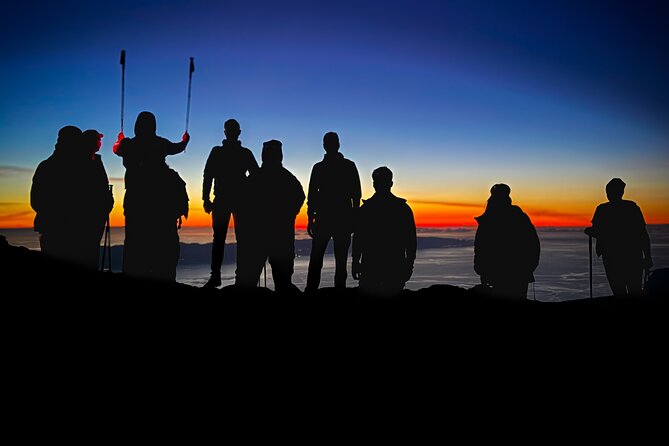
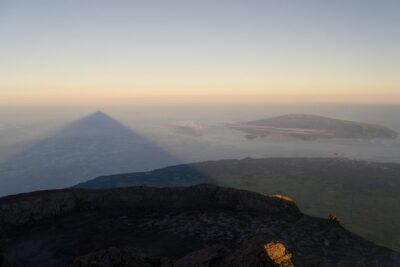
When the sky starts shifting, the top stops feeling like a goal and starts feeling like a place. That is when the sunrise becomes vivid, and why this is so memorable. People described the view from above as very nice, with the sunrise being one of the most beautiful moments of their trip.
Coming back down
The descent back to Madalena is where people often get humbled. You can feel strong on the way up, then realize your legs are doing a different kind of work coming down. The trail can be irregular with obstacles, and steep drops demand careful foot placement and good coordination.
Some climbers summed it up like this: the night climb is great because you do not see the top while you are working for it. But the descent can be more difficult because of the elevation change packed into a short distance.
Difficulty Level, Fitness, and Real Expectations
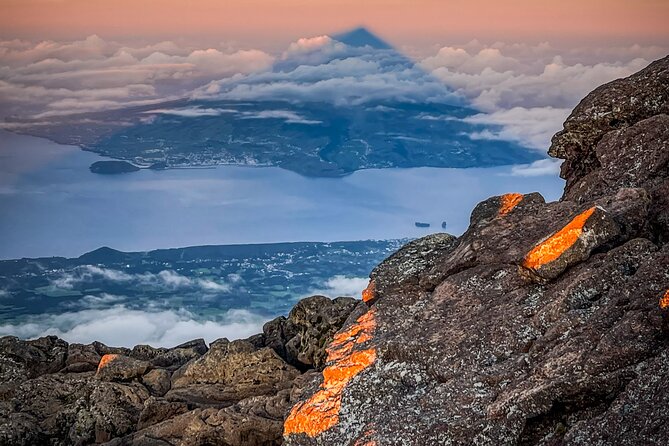
This is listed as a challenging mountaineering activity. For the night option, it is rated medium to high difficulty, with technical requirements and a need for preparation and physical coordination.
Here is the honest decision rule I use for climbs like this:
- If you are active and comfortable with uphill effort and uneven ground, you’ll likely manage with the guide’s pacing.
- If you are sedentary, the climb may feel significantly harder than you expected, especially in the dark and on the descent.
Even first-time hikers can do this with strong guide support, but they should go in with eyes open. One review called it an extremely advanced hike for a first hiking experience. That matches the logic of the day. When you add night, elevation, and volcanic terrain, the learning curve gets steep.
If you have vertigo, heart issues, asthma, diabetes, or any health limits that could affect balance, breathing, or stamina, you need to tell the provider. The climb requires motor coordination, and the group safety depends on accurate info.
Why Poles Matter More Than You Think
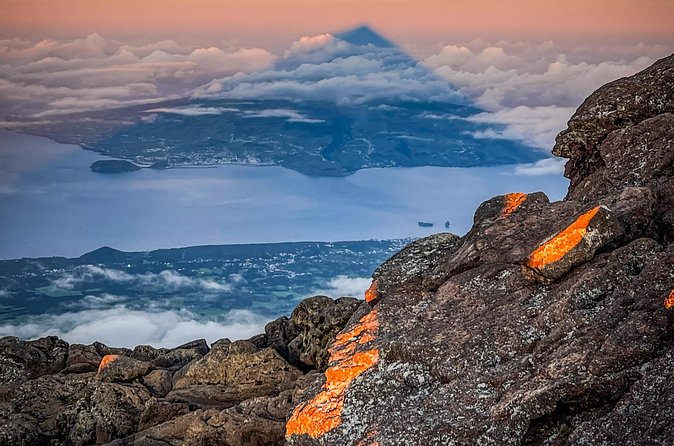
The poles you get with this hike are not just for comfort. They are for control.
On a night climb, the trail surface can be harder to read. Poles help you maintain stability and reduce stress on your knees when the ground gets uneven. They also help on climbs where sections require careful footing instead of a smooth hiking stride.
During the descent, poles become even more important. A steep, irregular descent taxes your muscles differently than the ascent. If you want to finish feeling proud instead of wrecked, use the poles the whole way down, not just on the steep bits.
The Guide Experience You’ll Remember: Matteo and Bruno
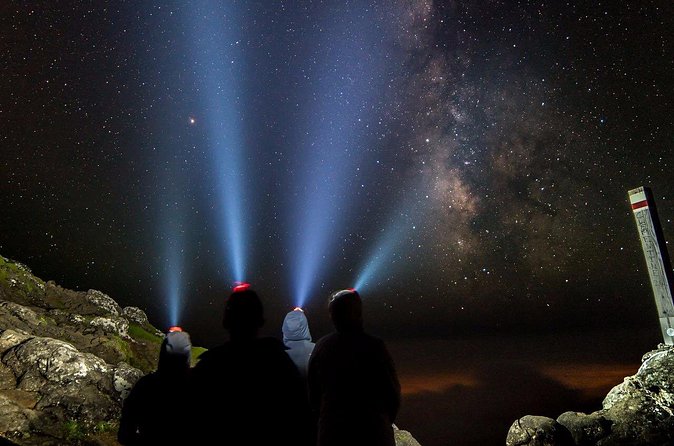
A lot of reviews are basically love letters to the guides. Names that come up often include Matteo and Bruno, with one climber mentioning a guide named Matteo and another mentioning Bruno Leal specifically.
What people praised most, in plain terms, was how the guides managed the climb mentally and physically:
- humorous encouragement and steady reassurance
- adjusting support for people who were close to quitting
- staying attentive on dangerous sections
- giving history, constellation pointers, and photography tips
That last part is practical. Night sky and sunrise moments are easy to miss if you are staring at your feet. Constellation info and photo tips can help you lift your head at the right times without losing footing.
Also, one review described Matteo as having hiked Pico more than 850 times and noted Bruno’s family connection to mountain guiding. Whether you treat those as trivia or as proof of experience, the impact is consistent: you get leadership that feels calm, not chaotic.
Weather, Safety, and the Reality of Non-Refund Rules
This hike requires good weather. If the climb is canceled due to poor weather, you are offered a different date or a full refund. That’s the smart way to handle something that is heavily dependent on trail conditions and visibility.
Separately, the activity is non-refundable and cannot be changed for any reason. So if your schedule is tight, be extra thoughtful before you lock in your date. Mountain weather can change fast.
Price and Value: Is $145.12 Worth It?
$145.12 per person is not cheap. But for what you get, it can feel fair, especially compared to DIY risk.
Here’s what’s bundled into that price:
- certified guide for a demanding night mountaineering activity
- reserve access fee
- headlight and hiking poles
- personal accident insurance
- climbing certificate of achievement
What is not included:
- meals
- air-conditioned vehicle
So the value equation is this: you pay for guided safety, equipment, and access, not for a bus ride and breakfast. If you would otherwise spend time arranging a guide plus renting gear, the package makes sense.
Also, the maximum group size of 8 people matters. You are paying partly for the attention you get on the trail.
My practical take: if you’re the type who likes a clear plan, safety guidance, and you want a sunrise you can actually reach, this price can be reasonable. If you prefer to hike solo or you lack the fitness for night terrain, the cost might be better spent elsewhere.
Who This Tour Is For (and Who Should Think Twice)
This is best for active travelers who can handle a challenging hike and can stay steady on uneven ground. It is also a great fit if you want a guided experience that helps you enjoy the summit sunrise without constantly worrying about navigation.
It may be a bad match if:
- you are new to hiking and your only goal is an easy outing
- you have health conditions that affect balance or endurance and you have not cleared them with the provider
- you expect a casual pace
- you are not prepared for the descent difficulty
If you want a gentler entry point, you can request a daytime hike option instead. Difficulty there is rated medium, while the night climb is medium to high.
Should You Book the Mount Pico Night Climb?
Book it if you have the stamina for a long, early start and you want a sunrise summit in a way that feels guided and safe. The included headlight, poles, small group size, and certified guides are a strong mix for a climb where the descent matters as much as the ascent.
Do not book it if you are looking for an easy walk, or if you cannot commit to the required mountain boots and suitable equipment. Night climbing on Pico is serious. When it goes well, it is memorable in a real way, but you need to meet the mountain halfway.
If you do book, read the pre-hike instructions you receive, show up properly equipped, and respect the guide’s pacing. Your future sunrise photos will thank you.
FAQ
What time does the Mount Pico night climb start?
The start time is 2:00 am.
How long is the hike?
It lasts about 10 hours.
What’s included in the price?
You get an individual headlight, hiking poles, entrance access fee to the Mount Pico Natural Reserve, a professional certified Mount Pico guide, Allianz personal accident insurance, and a climbing certificate of achievement.
Is there a limit on group size?
Yes. The maximum group size is 8 travelers.
What do I need to bring or wear?
You must wear proper mountain boots and bring equipment suitable for the activity. Not meeting the equipment requirements may result in exclusion without a refund.
Are there any health or activity restrictions before the climb?
You should not have gone diving within 24 hours before the climb. You also need to inform the provider about physical restrictions or health conditions such as vertigo, heart problems, asthma, diabetes, pregnancy, or other related issues.
What happens if weather is bad?
This experience requires good weather. If it is canceled due to poor weather, you will be offered a different date or a full refund.
More Pico Starts Before the Cloud Builds
- PHOTO TOUR (Full Day Private Tour- Sunrise to sunset)
★ 5.0 · 68 reviews - Sunrise or Sunset
★ 5.0 · 3 reviews
Just in from around Pico
- 3H Buggy tour of Pico Island vineyards★ 5.0 · 2 reviews
- Pico Mountain – Group> 4★ 4.5 · 3 reviews
- Award-Winning Luxury Wine Tasting at the Czar Pico Winery★ 5.0 · 3 reviews
- Private Route★ 5.0 · 4 reviews
- Pico Island wine culture – Private tour (+ optional wine tasting)★ 5.0 · 4 reviews
- Happy Cows Buggy Tour★ 5.0 · 4 reviews
Mount Pico Climbs, compared.
Pico Mountain Climb: Your Path to Portugal’s Highest Point
Read our review →
Pico Mountain: Climb the Highest Point of Portugal 2351m
Read our review →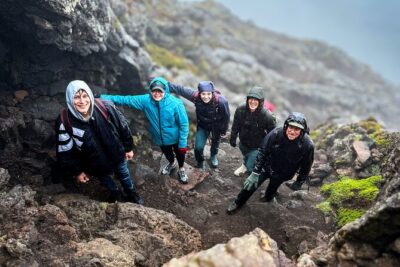
Mount Pico Guided Climb – Summit Portugal’s Highest Peak
Read our review →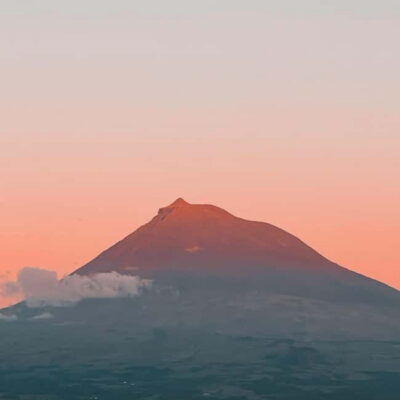
Pico Mountain Climb: Portugal’s Highest Point – 2351 meters
Read our review →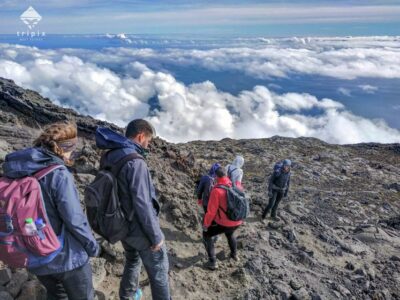
Pico Mountain Climbing private tour – with round trip from Faial
Read our review →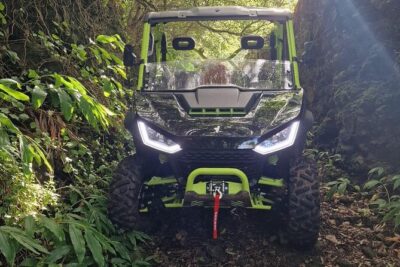
Browse the lists this tour appears in