
Reviewed · PICO ISLAND TOURS
Tours on Pico Island – Cultural and Natural Landscape
Pico can feel like a whole education in one day. I like how this small-group tour ties together the island’s UNESCO wine culture with volcanic scenery and the human story behind whaling. You also get real time at major stops, not just a quick photo pass.
The one thing to plan for is that food and drinks are not included, so lunch is an extra cost. At 8.5 hours, you will want to treat it like a full day and budget time for stops and the drive between coasts.
In This Review
- Key reasons this Pico day tour works well
- Why Pico’s wine, lava, and whaling history fit in one loop
- Meeting points, hotel pickup, and how the day is paced
- Lagoa do Capitão: the endemic-plant stop that feels very Pico
- The village trio: Madalena, São Roque do Pico, and Lajes do Pico
- UNESCO Pico’s Vineyard Culture Landscape, and why the wine story is not just a label
- Cachorro and Lajido: coast stops where lava fields matter
- Whaling culture on Pico, including the Whaling Museum visit
- The Mistérios story: hearing how people explain Pico
- Price and value for $111: what you get for a full-day loop
- Who should book this Pico tour, and who might want a different plan
- Should you book Tours on Pico Island?
- FAQ
- How long is the Pico Island tour?
- What is the price per person?
- How big is the group?
- Are there hotel pickup and drop-off included?
- Is food or drinks included?
- What languages is the live tour guide available in?
- What major sites are included in the route?
- Is UNESCO part of the experience?
- What is included in the ticket price?
- Can I cancel and get a full refund?
Key reasons this Pico day tour works well
- UNESCO Pico’s Vineyard Culture Landscape time to understand what makes the island’s wine-growing system special
- Lagoa do Capitão for endemic vegetation and the feeling of Pico’s distinct nature
- Whaling Culture stops and the Whaling Museum to connect history to what you see today
- Village visits across Madalena, São Roque do Pico, and Lajes do Pico for a balanced island overview
- Coast stops like Cachorro and Lajido, with chances to notice lava fields up close
- Small group (up to 8) keeps the pace patient and the guide easy to ask questions
Why Pico’s wine, lava, and whaling history fit in one loop
Pico Island is not short on wow moments. The trick is seeing them in a way that makes sense, so you understand what you are looking at. This tour organizes the day around three big themes: how people shaped Pico through wine, how the island’s volcano wrote the scenery, and how whaling culture influenced daily life and identity.
I like the balance here. You are not stuck in only nature, and you are not trapped in only museums. Instead, you stitch together countryside views, village life, and a museum visit, so your mental map of Pico gets sharper by the hour.
The group stays small, and that matters on a windy, road-jolting island day. With fewer people, you tend to get smoother timing at stops, more flexibility when the view is better one minute than the next, and easier communication with the guide.
More on Pico:
- Pico Island: Whale Watching Experience from Lajes do Pico
★ 4.9 · 723 reviews - Pico Island: Azores Whale & Dolphin Watching on Zodiac Boat
★ 4.8 · 408 reviews - Pico Mountain Climb: Your Path to Portugal’s Highest Point
★ 5.0 · 204 reviews - Pico Mountain: Climb the Highest Point of Portugal 2351m
★ 5.0 · 187 reviews
Meeting points, hotel pickup, and how the day is paced
This is an 8.5-hour guided day with hotel pickup and drop-off plus transfers to and from public transportation. In practical terms, you spend less time figuring out logistics and more time looking at the island.
From the way the tour runs, the rhythm is built for comfort. You are moving along the north and south coasts using Estrada Regional 1 and 2, with enough stops to break up the drive. It is still a full day, so bring a layer. Pico weather can change, and you are outside during key viewpoints.
The guide is English and Portuguese, and on past tours the guide Norberto has earned strong praise for being friendly, cautious behind the wheel, and willing to slow down so you can actually enjoy the scenery. That “not rushed” pace shows up most at places where you want to look carefully, like a lagoon with endemic plants or lava fields where details reward your eyes.
Lagoa do Capitão: the endemic-plant stop that feels very Pico
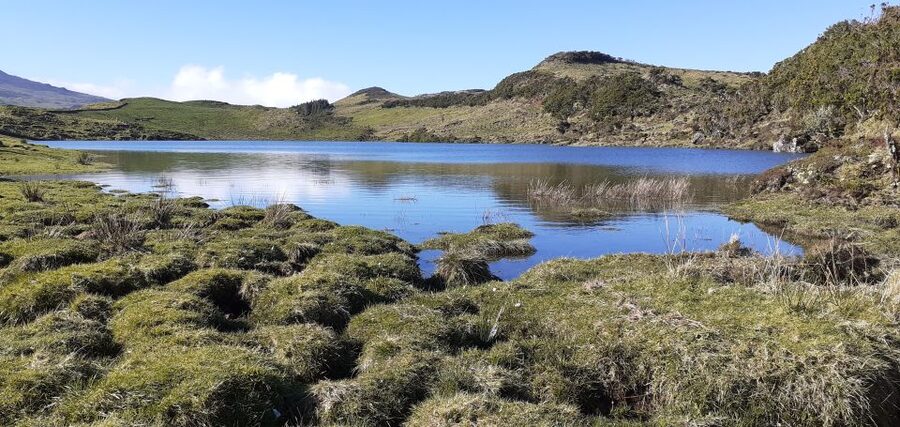
One of the tour’s core nature moments is Lagoa do Capitão. This is where the day gives you more than a pretty pause. You get to appreciate endemic vegetation, meaning plants found on Pico that you generally will not see the same way elsewhere.
Why I like this stop: it teaches you to watch the ground, not just the cliffs. When you know you are standing in a place with endemic life, you start noticing textures, not just distance. It is also a relief to have a natural stop that is not only about dramatic volcanic shapes.
Time here matters. You want a few quiet minutes to take in the setting and let the guide connect what you see with what makes Pico distinct. If you tend to rush through nature, this is the moment where slowing down makes the rest of the tour click.
The village trio: Madalena, São Roque do Pico, and Lajes do Pico
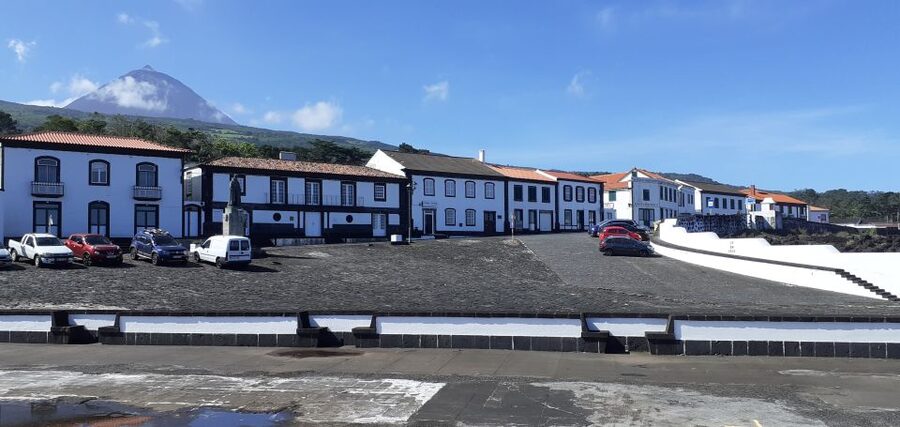
The tour includes visits to three villages: Madalena, São Roque do Pico, and Lajes do Pico. I appreciate this approach because it turns Pico from a set of viewpoints into a living island with different communities and rhythms.
Here is what each village visit adds to the day.
Madalena
Madalena is often your entry point for island exploration, and it helps you get your bearings fast. You typically see how locals organize their day around the island’s work and seasons, and it sets context for why the coast matters so much.
São Roque do Pico
This stop helps you connect the wine culture story with the landscape. You are not just hearing about farming or traditions, you are seeing how people built a life around the island’s conditions.
Lajes do Pico
Lajes do Pico rounds out the day with a different coastal feel. It is a useful switch after the more touristic highlights, because it gives you a sense of how Pico’s communities sit next to lava and sea, not in spite of them.
A small-group day also helps here. You are more likely to hear guide details about local life without everyone shouting over each other. If you have questions about what you are seeing, this is where the answers feel most relevant.
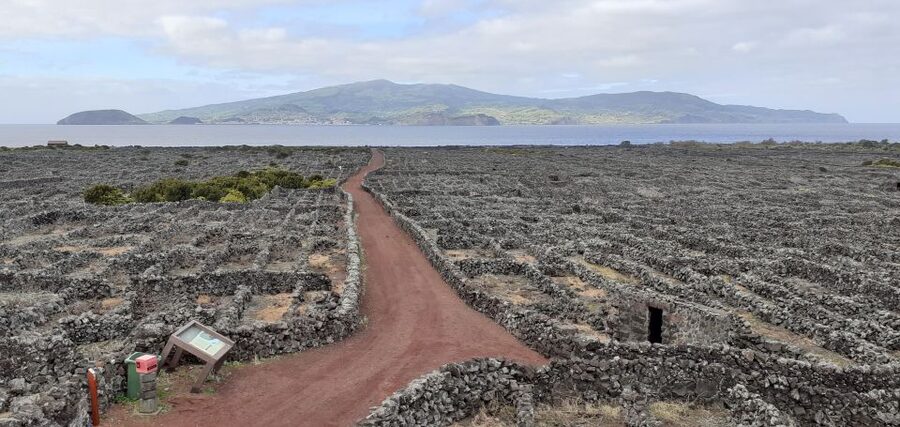
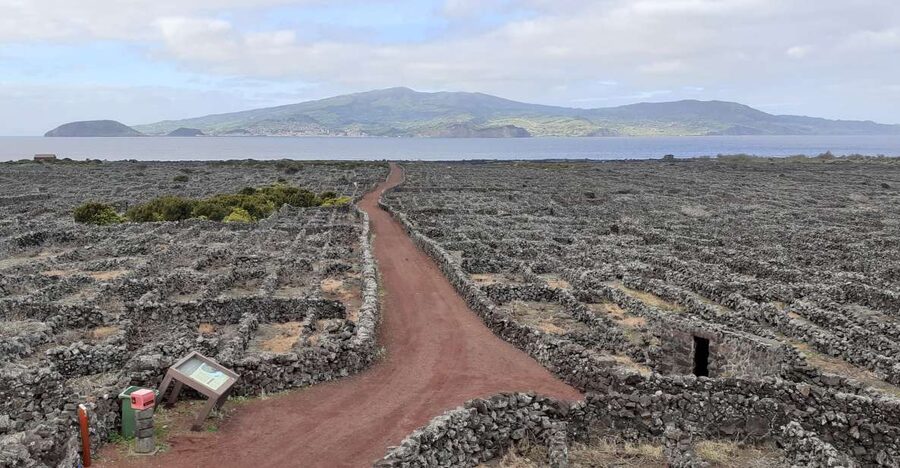
UNESCO Pico’s Vineyard Culture Landscape, and why the wine story is not just a label
A big highlight is discovering Pico’s Vineyard Culture Landscape, which is classified as a UNESCO World Heritage site. The tour is not treating this as a stop-and-go photo moment. You get time to understand the system behind the vineyards and why Pico’s approach is worth protecting.
For you, the value is clarity. If you only visit wineries elsewhere, you might think wine is mainly about grape variety and taste. Here, the story connects wine-growing to how people adapt to volcanic soils, wind, and moisture. Even if you are not a wine nerd, the explanation helps you look at the slopes with purpose.
And because this is paired with volcanic-coast scenery and lagoon vegetation, the UNESCO stop does not feel isolated. You start to see how geology, climate, and human work all feed into one another on Pico.
If you love history, you get the timeline and the meaning. If you mostly love nature, you still get something useful: a reason to notice how vineyards sit in a land shaped by lava.
Same stretch of Atlantic, a different sort of day:
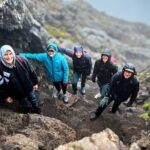


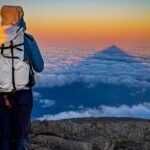
Cachorro and Lajido: coast stops where lava fields matter
Two popular places included are Cachorro and Lajido. These coastal stops are a chance to appreciate Pico’s volcanic nature in a way that is hard to fake from a bus window.
The tour also runs along the seashore so you can notice the presence of vast lava fields. That is the kind of detail that sounds dramatic in a brochure, but in person it becomes simple and grounding. Lava is not abstract here. It shows up in textures, in how the coastline behaves, and in how communities adapt.
What I think you will enjoy is the guide’s framing. A good guide points out what to look for: changes in rock texture, where the coast looks more broken, where you can sense the island’s power in the shape of the land. Even without technical geology, you come away with a better understanding of why Pico looks the way it does.
One practical note: wear shoes you trust. You will be outside and walking a bit during viewpoint time, and the Azores can be slippery when conditions shift.
Whaling culture on Pico, including the Whaling Museum visit
Pico’s human story is not only about wine. The tour includes emblematic places tied to Whaling Culture, plus a visit to the Whaling Museum.
This part matters because whaling history explains how coastal communities worked, planned, and survived. It also helps you see the island as more than a scenic retreat. Pico is a working island shaped by tough decisions and changing economies.
The museum visit is where you get the most direct context. A museum can risk becoming “look, read, move on.” Here, the tour is set up so the museum supports what you are seeing outside. You visit the culture sites and then connect the story to the places around you.
If you care about how local traditions evolve, this is one of the best value blocks of the day. It is also a good break from the outdoor walking, so you re-enter the later stops with fresh energy.
The Mistérios story: hearing how people explain Pico
The route includes historical information and modern facts, with a special focus on the Mistérios that helped shape Pico. Since the tour frames these stories as part of island identity, you get more than dates and names. You also get local ways of interpreting the island.
I like this because it helps you avoid the trap of seeing Pico as only geology. When you hear how people connect myths or mystery to real terrain, the island becomes more layered. You start to understand why certain spots feel significant to locals, even if the scenery is what first grabs your attention.
This is also the kind of segment that benefits from questions. If something sounds unclear, ask. With a small group, you are not lost in the crowd.
Price and value for $111: what you get for a full-day loop
At $111 per person for about 8.5 hours, the value depends on how you like to travel.
Here is why it feels like solid value for many people:
- Hotel pickup and drop-off means fewer headaches than renting a car for a single island day
- Entry visits are included, so you are not hunting for tickets mid-trip
- Insurance is included, which is a nice safety net for a day with outdoor stops
- The group is limited to 8 participants, which supports a patient pace and real guide interaction
What is not included is the simplest part to plan: food and drinks. If you want a low-spend day, you can bring snacks or keep lunch modest. If you prefer a proper meal, expect that to add to the total.
Also, the guide’s role is a big part of the value. The best tours are not only about places, they are about interpretation. With Norberto-style guiding, the day turns into a set of understandable connections, not isolated stops.
Who should book this Pico tour, and who might want a different plan
This tour is a great fit if you want a first-time orientation to Pico. You get a wide sweep: villages, UNESCO wine culture, volcanic coasts with lava fields, and whaling history with a museum visit. You will leave with a clearer mental map and enough context to plan a return day, maybe focusing more on wine routes or more time outdoors.
It also suits people who do not want the stress of driving unfamiliar roads for a full day. The vehicle is set up for safe touring, and the pace supports comfortable viewing.
Choose a different plan if you:
- Want a pure nature hike day with long walking routes and fewer stops
- Are on a tight budget for meals and do not want to add lunch costs
- Prefer totally self-paced travel with no guide interpretation
Should you book Tours on Pico Island?
I would book it if you want your Pico day to feel organized and meaningful. The combination of UNESCO vineyards, Lagoa do Capitão, volcanic coast viewpoints, and the Whaling Museum gives you multiple ways to understand the island, not just one.
If you are on Pico for a short time, this is one of the most efficient ways to cover both the human and natural sides of the island. Just plan ahead for lunch and wear good shoes, and you will be in good shape for a full, varied day.
FAQ
How long is the Pico Island tour?
The duration is about 8.5 hours.
What is the price per person?
The price is listed as $111 per person.
How big is the group?
The group is small, limited to 8 participants.
Are there hotel pickup and drop-off included?
Yes. Hotel pickup and drop-off are included.
Is food or drinks included?
No. Food and drinks are not included.
What languages is the live tour guide available in?
The tour guide is available in English and Portuguese.
What major sites are included in the route?
The route includes Lagoa do Capitão, visits to Madalena, São Roque do Pico, and Lajes do Pico, stops at Cachorro and Lajido, and whaling culture emblematic places including the Whaling Museum.
Is UNESCO part of the experience?
Yes. The tour includes Pico’s Vineyard Culture Landscape, classified as a UNESCO World Heritage site.
What is included in the ticket price?
Included are hotel pickup and drop-off, transfers from and to public transportation, entry visits, insurance, and the tour guide.
Can I cancel and get a full refund?
Yes. You can cancel up to 24 hours in advance for a full refund.
Just in from around Pico Island
- Pico Wine Tour: Get to know Pico’s wines★ 5.0 · 1 review
- Pico: Dune buggy adventure★ 5.0 · 1 review
- 3H Buggy tour of Pico Island vineyards★ 5.0 · 2 reviews
- Luxury Wine Tasting at the Czar Pico Winery★ 5.0 · 2 reviews
- Pico Mountain – Group> 4★ 4.5 · 3 reviews
- Pico island: highlights, wine tasting and local gastronomy★ 4.6 · 3 reviews
Pico Island Tours, compared.
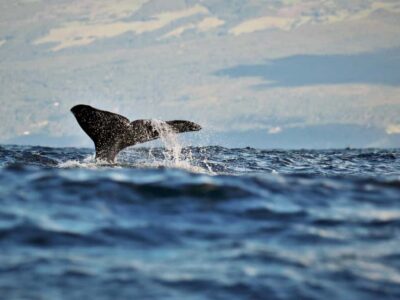
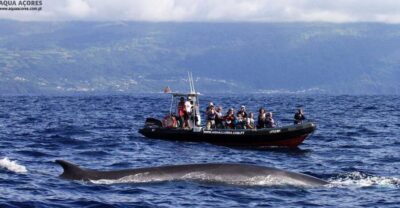
Pico Mountain Climb: Your Path to Portugal’s Highest Point
Read our review →
Pico Mountain: Climb the Highest Point of Portugal 2351m
Read our review →
Mount Pico Guided Climb – Summit Portugal’s Highest Peak
Read our review →
Pico Mountain Climb: Portugal’s Highest Point – 2351 meters
Read our review →
Whale and Dolphin Watching in Pico Island – Half Day
Read our review →
Mount Pico Night Climb – Reach the Summit for a Magical Sunrise
Read our review →Browse the lists this tour appears in